

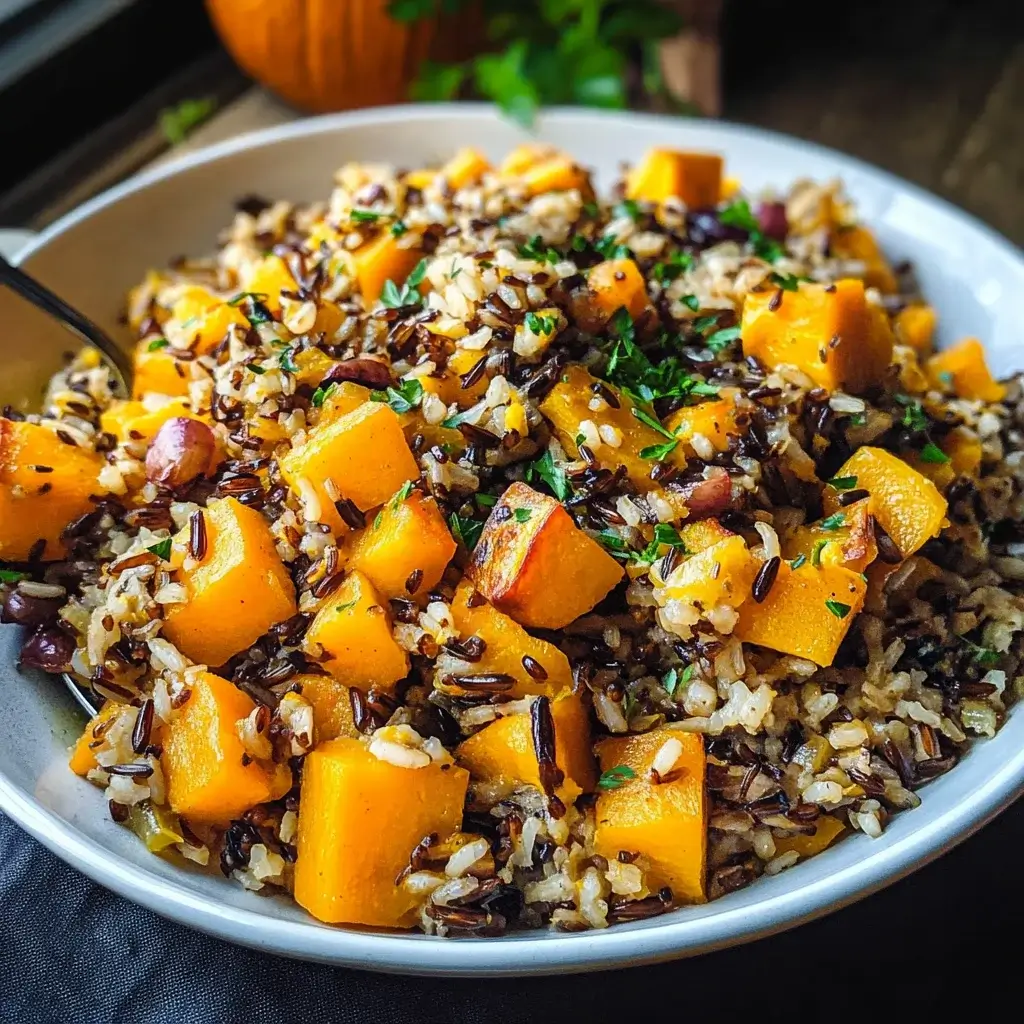
Of all the dishes in my fall and winter cooking arsenal, this Butternut Squash Wild Rice Pilaf is the one that feels like a warm hug in a bowl. For years, I struggled to find a holiday side dish that was both show-stoppingly beautiful and genuinely delicious, without being another heavy, cream-laden casserole. I wanted something vibrant, something with texture, something that celebrated the season. The first time I made this pilaf, it was a revelation. The sweet, creamy cubes of roasted butternut squash, the nutty, chewy wild rice, the tart bursts of cranberry, and the satisfying crunch of toasted pecans—it was a symphony of everything I love about autumn. It instantly became my signature dish for Thanksgiving, Christmas, and any chilly evening that called for something special. It’s the kind of dish that elicits audible “oohs” when it hits the table, its jewel-toned colors a feast for the eyes before a single bite is even taken. This isn’t just a side dish; it’s a centerpiece in its own right, a wholesome, elegant, and profoundly comforting meal that I am so excited to share with you.
Why This is the Ultimate Autumn Side Dish Recipe
In a world full of recipes, this one for Butternut Squash Wild Rice Pilaf truly stands out as a definitive guide. It’s been tweaked and perfected to ensure a flawless result that is both impressive enough for a holiday feast and simple enough for a cozy weeknight dinner. Here’s what makes this recipe a cut above the rest:
- A Symphony of Textures: The number one reason this pilaf is so beloved is its incredible textural complexity. You get the soft, creamy melt of the roasted squash, the firm, satisfying chew of the wild rice, the snappy crunch of toasted pecans, and the soft, tart bite of dried cranberries. Every spoonful is a new and exciting experience.
- A Masterclass in Flavor Layering: This dish is the epitome of balanced flavor. It’s a perfect dance between sweet and savory. The natural sweetness of the butternut squash is enhanced by roasting, which is then beautifully contrasted by the earthy, savory notes of the wild rice and sautéed aromatics. The cranberries add a bright, tart acidity, while the pecans bring a rich, buttery nuttiness. Finally, classic fall herbs like sage and thyme tie everything together with a warm, woodsy aroma.
- Visually Stunning and “Holiday Table” Ready: Let’s be honest, we eat with our eyes first. This pilaf is a showstopper. The deep orange of the squash, the dark, rich tones of the wild rice blend, the ruby-red cranberries, and the vibrant green parsley create a jewel-toned masterpiece that looks incredibly festive and sophisticated on any dinner table.
- Perfectly Make-Ahead Friendly: One of the biggest stressors of hosting a holiday meal is oven and stovetop space. This recipe is designed to be made partially or fully in advance, freeing you up on the big day. We’ll cover the exact make-ahead strategies in our pro tips section.
- Inherently Healthy and Adaptable: Unlike many heavy holiday sides, this pilaf is packed with nutrients. It’s naturally gluten-free and can be made vegan with one simple swap. It’s loaded with fiber from the rice, Vitamin A from the squash, and healthy fats from the pecans. It’s a dish you can feel genuinely good about serving and eating.
Butternut Squash Wild Rice Pilaf: Complete Ingredients List
Gathering your ingredients, or “mise en place,” is the first step to a stress-free cooking experience. Using high-quality, fresh ingredients will make a world of difference in the final dish.
Yields: 6-8 side dish servings
Prep time: 20 minutes
Cook time: 50-60 minutes
For the Roasted Butternut Squash:
- 1 medium Butternut Squash (about 2.5 lbs): Peeled, seeded, and cut into ¾-inch cubes.
- 2 tablespoons Olive Oil: For roasting.
- 1 tablespoon Maple Syrup (optional): This enhances the natural sweetness and helps the squash caramelize beautifully.
- ½ teaspoon Salt:
- ¼ teaspoon Black Pepper:
For the Wild Rice Pilaf:
- 1 tablespoon Olive Oil:
- 1 tablespoon Butter (or vegan butter for a vegan option): Using both oil and butter provides the best flavor and prevents the butter from burning.
- 1 large Yellow Onion, finely chopped:
- 2 stalks Celery, finely chopped:
- 2 cloves Garlic, minced:
- 1 ½ cups Wild Rice Blend: A blend (often containing wild rice, brown rice, and red rice) is recommended as it has a more varied texture and a more forgiving cooking time than 100% wild rice.
- 4 cups Vegetable Broth: Use a low-sodium, high-quality broth.
- 1 teaspoon dried Thyme (or 1 tablespoon fresh):
- 1 teaspoon dried Sage (or 1 tablespoon fresh):
For the Mix-Ins and Garnish:
- ¾ cup Toasted Pecans, roughly chopped: Toasting is non-negotiable for the best flavor.
- ¾ cup Dried Cranberries:
- ½ cup Fresh Parsley, chopped: For a fresh, vibrant finish.
Step-by-Step Instructions for Perfect Pilaf
Follow these instructions carefully, paying attention to the techniques that build flavor at every stage.
Step 1: Roast the Butternut Squash
Preheat your oven to 400°F (200°C). On a large, parchment-lined baking sheet, toss the cubed butternut squash with the 2 tablespoons of olive oil, the optional maple syrup, salt, and pepper. Spread the cubes into a single, even layer, ensuring they are not overcrowded. Roast for 25-30 minutes, flipping halfway through, until the squash is tender and beautifully caramelized at the edges. Once done, remove from the oven and set aside.
Step 2: Sauté the Aromatics
While the squash is roasting, begin the pilaf. In a large pot or Dutch oven, heat the 1 tablespoon of olive oil and 1 tablespoon of butter over medium heat. Once the butter has melted, add the chopped onion and celery. Sauté for 6-8 minutes, stirring occasionally, until the vegetables are soft and translucent. This slow sauté builds a deep, sweet flavor base.
Step 3: Bloom the Aromatics and Toast the Rice
Add the minced garlic, dried thyme, and dried sage to the pot. Cook for another minute, stirring constantly, until the garlic is fragrant. Add the wild rice blend to the pot and stir to coat it in the oil and aromatics. Continue to cook, stirring frequently, for about 2 minutes. This toasting step enhances the rice’s natural nutty flavor.
Step 4: Simmer the Pilaf
Pour the 4 cups of vegetable broth into the pot and stir everything together. Increase the heat to high and bring the mixture to a rolling boil. Once it’s boiling, immediately reduce the heat to the lowest possible setting, cover the pot with a tight-fitting lid, and let it simmer for 45-50 minutes. The exact time will depend on your specific rice blend, so check the package instructions as a guide. Do not lift the lid while it’s simmering!
Step 5: Rest and Fluff the Rice
After the simmering time is up, turn off the heat but leave the pot on the burner, still covered. Let the rice rest and steam for another 10 minutes. This is a crucial step that allows the rice to absorb the remaining moisture and finish cooking, ensuring a perfect texture. After resting, remove the lid and fluff the rice gently with a fork to separate the grains.
Step 6: Combine and Serve
Gently fold the roasted butternut squash, toasted pecans, dried cranberries, and chopped fresh parsley into the fluffed rice. Taste and adjust seasoning with more salt and pepper if needed. Transfer to a large serving bowl and serve warm.
Nutrition Facts
This is an estimate for one of eight side-dish-sized servings. The final nutrition will vary based on your specific ingredients.
- Servings: 8
- Calories per serving: Approximately 380-420 kcal
This dish is a fantastic source of Vitamin A (from the squash), dietary fiber, and plant-based nutrients. It provides complex carbohydrates for sustained energy and healthy fats from the pecans and olive oil.
Preparation Time Breakdown
- Preparation Time: 20 minutes (for peeling and chopping squash and vegetables)
- Cooking Time: 50-60 minutes
- Total Time: Approximately 1 hour and 15 minutes
How to Serve Your Butternut Squash Wild Rice Pilaf
This versatile dish can be served in a variety of ways, making it a valuable recipe to have in your collection.
- The Perfect Holiday Side Dish: This is its primary role. It pairs beautifully with:
- Roasted Turkey
- Glazed Ham
- Roasted Chicken
- Pork Tenderloin
- A Hearty Vegetarian Main Course: This pilaf is substantial enough to be the star of the show for a vegetarian meal. To make it a more complete protein source, you can:
- Stir in a can of rinsed and drained chickpeas.
- Top with crumbled feta or goat cheese for a creamy, tangy contrast.
- A Healthy Weeknight Dinner: Serve a generous portion alongside a simple piece of baked salmon or a grilled chicken breast.
- For a Beautiful Presentation:
- Serve it in a large, wide, shallow bowl to show off all the beautiful colors and ingredients.
- Garnish with a few extra toasted pecans and a final flourish of fresh parsley right before serving.
5 Pro Tips for Flawless Pilaf Every Time
- How to Easily Peel Butternut Squash: This is often the most dreaded part of the recipe. Here’s the secret: Pierce the squash all over with a fork, then microwave it on high for 3-4 minutes. Let it cool slightly. The skin will be significantly softer and much easier to remove with a standard vegetable peeler. Then, slice off the top and bottom, cut it in half, scoop out the seeds, and cube it.
- Don’t Skip Toasting the Nuts: Raw pecans are fine, but toasted pecans are a game-changer. The heat unlocks their essential oils, deepening their flavor and making them much crunchier. To toast them, spread them on a dry baking sheet and bake at 350°F (175°C) for 5-7 minutes, or toast them in a dry skillet over medium heat for 3-5 minutes, until fragrant. Watch them carefully as they can burn quickly.
- The Ultimate Make-Ahead Strategy for Holidays: To save time and stress on a busy cooking day, you can prep this entire dish in stages.
- Up to 3 days ahead: Peel and cube the butternut squash. Store it in an airtight container in the fridge.
- 1-2 days ahead: Make the entire rice pilaf (through Step 5), let it cool, and store it in the fridge. Roast the butternut squash, let it cool, and store it separately.
- Day of serving: Gently reheat the pilaf on the stovetop or in the microwave. Re-warm the squash in the oven for a few minutes. Combine everything with the pecans, cranberries, and parsley right before serving.
- Resist the Urge to Peek: While the rice is simmering, do not lift the lid! The pilaf cooks in the steam that builds up inside the pot. Lifting the lid releases the steam, drops the temperature, and can result in unevenly cooked, crunchy rice. Trust the process and the timer.
- Ingredient Variations for a New Twist: This recipe is a fantastic template. Feel free to get creative!
- Swap the Nuts: Toasted walnuts, almonds, or pistachios are all wonderful.
- Change the Fruit: Dried cherries or chopped dried apricots can be used instead of cranberries.
- Add Different Veggies: Sautéed mushrooms or kale (added with the garlic) are delicious additions.
- Try Other Grains: Farro or barley would also work beautifully, but you will need to adjust the liquid ratio and cooking time according to the package directions.
Frequently Asked Questions (FAQ)
1. Can I use 100% pure wild rice instead of a blend?
Yes, you can, but there are a few adjustments. 100% wild rice has a much longer cooking time (often 60-70 minutes) and a much chewier texture. You will likely need a slightly different liquid-to-rice ratio (check the package). A wild rice blend is recommended for this recipe as it provides a softer, more varied texture that complements the squash better and has a more reliable cooking time.
2. How do I make this recipe vegan?
This recipe is very easy to make fully vegan! Simply substitute the 1 tablespoon of dairy butter with 1 tablespoon of olive oil or your favorite vegan butter substitute. The rest of the ingredients are naturally plant-based.
3. My rice turned out mushy. What did I do wrong?
Mushy rice is almost always a result of too much liquid or overcooking. Ensure you are using the precise measurements of rice and broth. Also, remember that different brands of rice blends can absorb liquid differently. The most important step to prevent sogginess is the 10-minute resting period off the heat, which allows the grains to absorb the final bits of steam evenly rather than continuing to boil.
4. Can I use pre-cut or frozen butternut squash to save time?
Absolutely! Pre-cut fresh butternut squash from the produce section is a fantastic time-saver. You can also use frozen butternut squash cubes. For best results, roast the frozen cubes directly from the freezer; do not thaw them first. They may need an extra 5-10 minutes in the oven and may release a bit more water, so they might not get quite as deeply caramelized, but they will still be delicious.
5. How do I store and reheat leftovers?
Leftover pilaf can be stored in an airtight container in the refrigerator for up to 4 days. To reheat, you can microwave it in 60-second intervals until hot. For best results on the stovetop, place the pilaf in a skillet over medium-low heat with a splash of water or vegetable broth. Cover and heat, stirring occasionally, until warmed through. The liquid will help rehydrate the rice.

Butternut Squash Wild Rice Pilaf recipe
Ingredients
For the Roasted Butternut Squash:
-
1 medium Butternut Squash (about 2.5 lbs): Peeled, seeded, and cut into ¾-inch cubes.
-
2 tablespoons Olive Oil: For roasting.
-
1 tablespoon Maple Syrup (optional): This enhances the natural sweetness and helps the squash caramelize beautifully.
-
½ teaspoon Salt:
-
¼ teaspoon Black Pepper:
For the Wild Rice Pilaf:
-
1 tablespoon Olive Oil:
-
1 tablespoon Butter (or vegan butter for a vegan option): Using both oil and butter provides the best flavor and prevents the butter from burning.
-
1 large Yellow Onion, finely chopped:
-
2 stalks Celery, finely chopped:
-
2 cloves Garlic, minced:
-
1 ½ cups Wild Rice Blend: A blend (often containing wild rice, brown rice, and red rice) is recommended as it has a more varied texture and a more forgiving cooking time than 100% wild rice.
-
4 cups Vegetable Broth: Use a low-sodium, high-quality broth.
-
1 teaspoon dried Thyme (or 1 tablespoon fresh):
-
1 teaspoon dried Sage (or 1 tablespoon fresh):
For the Mix-Ins and Garnish:
-
¾ cup Toasted Pecans, roughly chopped: Toasting is non-negotiable for the best flavor.
-
¾ cup Dried Cranberries:
-
½ cup Fresh Parsley, chopped: For a fresh, vibrant finish.
Instructions
Step 1: Roast the Butternut Squash
Preheat your oven to 400°F (200°C). On a large, parchment-lined baking sheet, toss the cubed butternut squash with the 2 tablespoons of olive oil, the optional maple syrup, salt, and pepper. Spread the cubes into a single, even layer, ensuring they are not overcrowded. Roast for 25-30 minutes, flipping halfway through, until the squash is tender and beautifully caramelized at the edges. Once done, remove from the oven and set aside.
Step 2: Sauté the Aromatics
While the squash is roasting, begin the pilaf. In a large pot or Dutch oven, heat the 1 tablespoon of olive oil and 1 tablespoon of butter over medium heat. Once the butter has melted, add the chopped onion and celery. Sauté for 6-8 minutes, stirring occasionally, until the vegetables are soft and translucent. This slow sauté builds a deep, sweet flavor base.
Step 3: Bloom the Aromatics and Toast the Rice
Add the minced garlic, dried thyme, and dried sage to the pot. Cook for another minute, stirring constantly, until the garlic is fragrant. Add the wild rice blend to the pot and stir to coat it in the oil and aromatics. Continue to cook, stirring frequently, for about 2 minutes. This toasting step enhances the rice’s natural nutty flavor.
Step 4: Simmer the Pilaf
Pour the 4 cups of vegetable broth into the pot and stir everything together. Increase the heat to high and bring the mixture to a rolling boil. Once it’s boiling, immediately reduce the heat to the lowest possible setting, cover the pot with a tight-fitting lid, and let it simmer for 45-50 minutes. The exact time will depend on your specific rice blend, so check the package instructions as a guide. Do not lift the lid while it’s simmering!
Step 5: Rest and Fluff the Rice
After the simmering time is up, turn off the heat but leave the pot on the burner, still covered. Let the rice rest and steam for another 10 minutes. This is a crucial step that allows the rice to absorb the remaining moisture and finish cooking, ensuring a perfect texture. After resting, remove the lid and fluff the rice gently with a fork to separate the grains.
Step 6: Combine and Serve
Gently fold the roasted butternut squash, toasted pecans, dried cranberries, and chopped fresh parsley into the fluffed rice. Taste and adjust seasoning with more salt and pepper if needed. Transfer to a large serving bowl and serve warm.
Nutrition
- Serving Size: one normal portion
- Calories: 380-420 kcal