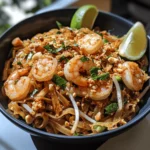

There’s something irresistible about the vibrant flavors of a Classic Shrimp Pad Thai sizzling in the pan—the tangy tamarind, the subtle heat of chili, and the sweet crunch of peanuts all coming together in perfect harmony. After a long day when fast food just won’t cut it, this dish feels like a welcome escape to a bustling Thai street market, all made right in my own kitchen. What I love most is how effortlessly the noodles soak up those bold flavors and how quick it is to cook up a crowd-pleaser that tastes like you spent hours mastering it. Whether you’re an adventurous home cook or a seasoned chef craving something fresh yet familiar, this recipe strikes the perfect balance of ease and authenticity, making Classic Shrimp Pad Thai an all-time favorite to keep in your culinary repertoire.
Why choose Classic Shrimp Pad Thai?
Bold Flavors: This dish delivers that authentic tangy, sweet, and spicy blend that’s impossible to resist. Quick & Easy: Ready in under 30 minutes, perfect for weeknight dinners or last-minute gatherings. Versatile Ingredients: Swap shrimp for tofu or chicken to suit your mood. Crowd-Pleaser: A vibrant, colorful plate that impresses every time. Made at Home: Skip fast food and enjoy a restaurant-quality meal crafted in your own kitchen.
Classic Shrimp Pad Thai Ingredients
For the Noodles and Sauce
- Rice Noodles – Choose flat, thin rice noodles for that perfect chewy texture in your Classic Shrimp Pad Thai.
- Tamarind Paste – This tangy paste is key to achieving the authentic sour note that balances the dish.
- Fish Sauce – Adds a deep umami flavor essential to the sauce’s complexity.
- Palm Sugar – Use this natural sweetener to round out the tangy and salty flavors beautifully.
- Chili Flakes – Adjust to your heat preference for that subtle kick the dish is famous for.
For the Protein and Vegetables
- Shrimp – Fresh or thawed, peeled, and deveined, for sweet, succulent bites throughout the dish.
- Eggs – Lightly beaten to create a silky texture that coats noodles perfectly.
- Garlic – Minced to infuse a fragrant aroma and depth with every stir.
- Green Onions – Sliced thinly to add freshness and mild bite.
- Bean Sprouts – For a crisp, refreshing crunch contrasting the tender noodles.
For Garnish and Extras
- Roasted Peanuts – Coarsely chopped to bring a satisfying crunch and nutty flavor.
- Lime Wedges – To squeeze over just before serving, brightening all the flavors.
- Fresh Cilantro – Optional, but highly recommended for an herbal zest that lifts the dish.
This Classic Shrimp Pad Thai ingredient lineup ensures each bite bursts with that bold, authentic flavor everyone adores.
How to Make Classic Shrimp Pad Thai
-
Mix Sauce: In a small bowl whisk tamarind paste, fish sauce, palm sugar, and chili flakes with 3–4 tbsp warm water until smooth and balanced in sweet, tangy vibes.
-
Soak Noodles: Submerge rice noodles in warm water for about 15–20 minutes until pliable but still slightly firm to the bite, then drain and set aside.
-
Heat Wok: Warm a tablespoon of oil in a wok or large skillet over medium-high heat until shimmering, approximately 1 minute, to ensure sizzling stir-fry magic.
-
Cook Shrimp: Add peeled shrimp and stir constantly for 2–3 minutes until pink and opaque around the edges, then transfer to a plate to prevent overcooking.
-
Scramble Eggs: Add another dash of oil, pour in beaten eggs, and gently stir until just set, creating ribbons of silky coating for your noodles.
-
Toss Noodles: Add drained noodles and sauce to the pan, tossing continuously for about 2 minutes until noodles turn glossy and soak up that vibrant sauce.
-
Combine & Finish: Return shrimp, green onions, and bean sprouts; toss for 1 minute until heated through and veggies stay crisp-tender.
Optional: Garnish with extra crushed peanuts and cilantro for a fresh, crunchy finish.
Exact quantities are listed in the recipe card below.

What to Serve with Classic Shrimp Pad Thai?
The delightful balance of flavors in your dish opens the door to a world of perfect pairings.
-
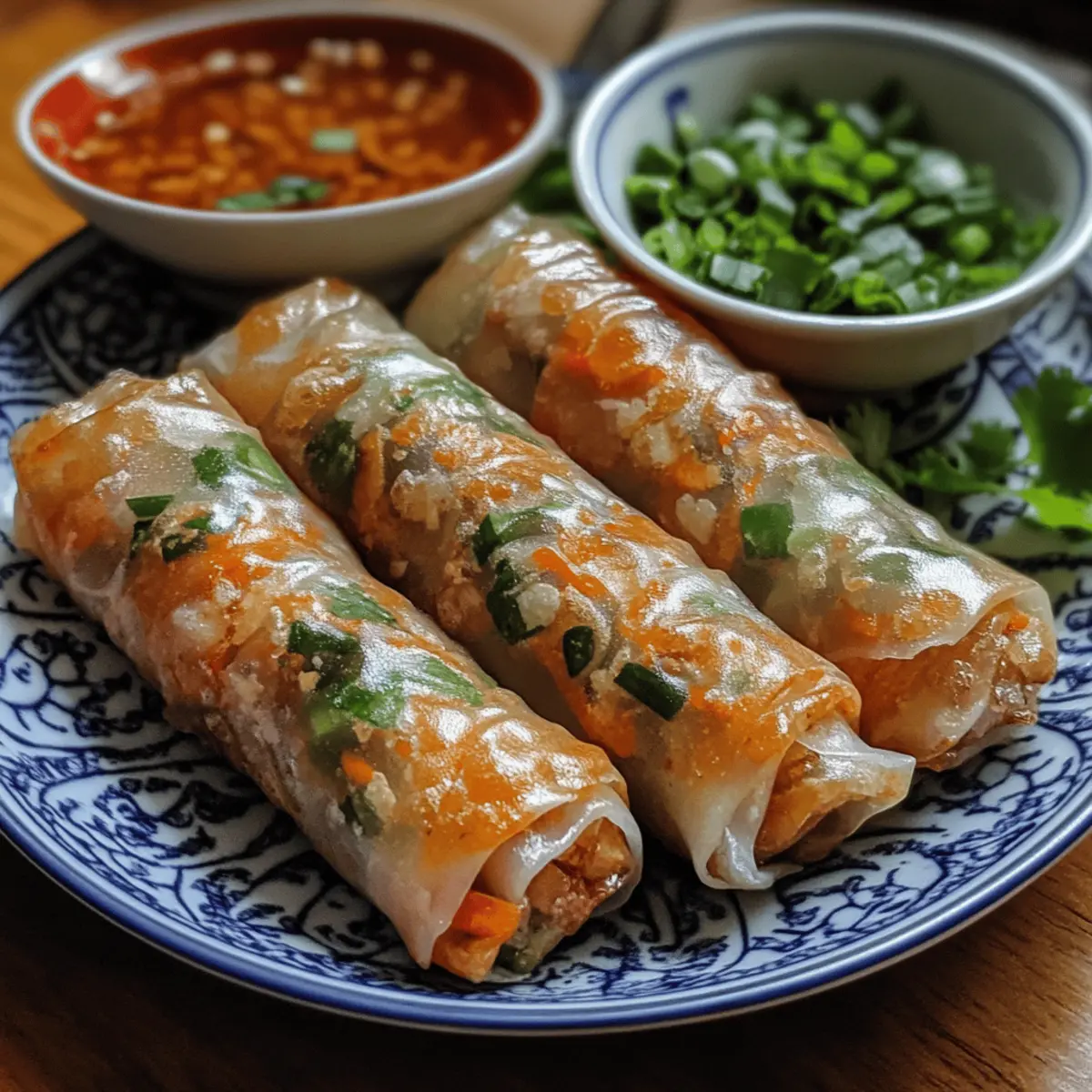
Spring Rolls: These light and crispy appetizers offer a refreshing crunch that complements the savory noodle dish beautifully.
-
Thai Cucumber Salad: A sweet and tangy cucumber salad adds a cool, crisp contrast, enhancing the meal’s vibrant flavors. It’s the perfect palate cleanser!
-
Steamed Jasmine Rice: Fluffy jasmine rice serves as a neutral base to soak up any extra sauce, providing a satisfying texture alongside the pad Thai’s freshness.
-
Spicy Mango Salad: The sweetness of ripe mango paired with a hint of heat elevates your meal with a tropical twist, creating a flavor adventure with each bite.
-
Thai Iced Tea: This creamy, sweet beverage offsets the dish’s spice perfectly, offering a cooling counterbalance while enhancing your dining experience.
-
Mango Sticky Rice: As a dessert, this classic favorite wraps up the meal beautifully, combining sweet and creamy elements that linger on the taste buds.
Variations & Substitutions for Classic Shrimp Pad Thai
Feel free to get creative and make this Classic Shrimp Pad Thai uniquely yours; the flavor possibilities are endless!
-
Tofu Swap: Replace shrimp with firm tofu for a delightful vegetarian option, just ensure to press it to remove excess moisture for better texture.
-
Spicy Kick: Add sliced fresh chili or sriracha for more heat—just toss it in as the shrimp cooks to infuse that fiery flavor throughout.
-
Vegetable Medley: Incorporate vegetables like bell peppers, snap peas, or carrots for added nutrition and vibrant color; stir-fry them briefly before adding noodles.
-
Noodle Alternatives: Try using zucchini noodles or whole grain noodles for a healthier twist; it changes the texture but keeps the flavors bold.
-
Nut-Free Version: Omit peanuts and use sunflower seeds instead for crunch, particularly good for those with nut allergies while still giving that satisfying bite.
-
Coconut Flavor: Drizzle coconut milk over the finished dish to add a rich and creamy layer; it complements the signature flavors beautifully.
-
Herbes de Provence: Mix in fresh basil or mint at the end for a fragrant finish, adding brightness and a garden-fresh aroma to your Classic Shrimp Pad Thai.
-
Sour Sweet Balance: Adjust the palm sugar with maple syrup or agave syrup for a plant-based sweetness that gently enhances the overall dish without overpowering.
With these variations, your Classic Shrimp Pad Thai can adapt to celebrate your unique tastes and dietary needs!
Expert Tips for Classic Shrimp Pad Thai
- Perfect Noodle Texture: Soak rice noodles until just pliable but still slightly firm; avoid over-soaking to prevent mushy Classic Shrimp Pad Thai.
- Balance Your Sauce: Taste and adjust the tamarind, fish sauce, and palm sugar mixture before cooking for a harmonious sweet, tangy, and salty flavor.
- Don’t Overcook Shrimp: Cook shrimp quickly on high heat until just pink to keep them juicy and tender in your Classic Shrimp Pad Thai.
- Use High Heat: Stir-fry over medium-high heat to achieve the signature slight char and lively texture without sogginess.
- Add Ingredients Last Minute: Toss in bean sprouts and green onions near the end to maintain their crisp, fresh bite.
Storage Tips for Classic Shrimp Pad Thai
Fridge: Store leftover Classic Shrimp Pad Thai in an airtight container for up to 3 days. For best flavor, consume within 1–2 days.
Freezer: Freeze for up to 1 month in a freezer-safe container, but note that the texture of noodles may change upon thawing.
Reheating: Reheat on the stovetop over medium heat with a splash of water or broth to revive the sauce. Stir until heated through and noodles are tender.
Room Temperature: Avoid leaving Classic Shrimp Pad Thai at room temperature for more than 2 hours to prevent food safety issues.
Make Ahead Options
These Classic Shrimp Pad Thai components are perfect for busy home cooks looking to save time during the week! You can prepare the sauce up to 3 days in advance and store it in an airtight container in the refrigerator to maintain its bold flavors. Additionally, soak the rice noodles up to 24 hours ahead, then simply drain and toss them in a bit of oil to prevent sticking. When you’re ready to serve, heat your wok and follow the cooking steps from there, tossing in the prepped shrimp, eggs, and veggies for a delicious dish that is just as fresh and vibrant as if it were made the same day. Enjoy the ease of meal prep without sacrificing quality!
Classic Shrimp Pad Thai Recipe FAQs
How do I know if my rice noodles are the right ripeness or texture before cooking?
Rice noodles don’t have “ripeness” like fruit, but freshness matters! Use dry rice noodles free of dark spots or discoloration. After soaking, they should be pliable yet slightly firm—not too soft or brittle—for the perfect chewy bite.
What’s the best way to store leftover Classic Shrimp Pad Thai, and how long will it stay fresh?
Store leftovers in an airtight container in the refrigerator. It keeps well for 3 to 4 days, though eating it within 1–2 days ensures the best flavor and texture. Always cool the Pad Thai completely before refrigerating to avoid sogginess.
Can I freeze Classic Shrimp Pad Thai, and how do I thaw it for the best results?
Absolutely! Freeze your Pad Thai in a sealed, freezer-safe container for up to 1 month. To thaw, transfer it to the fridge overnight. Reheat gently on the stovetop with a splash of broth or water to revive the sauce and noodles, stirring constantly to maintain texture.
What should I do if my Pad Thai turns out too salty or too sour?
No worries! If it’s too salty, add a bit more palm sugar or a splash of water to balance the flavors. Too sour? A pinch of sugar or a few extra lime wedges will mellow it out. Taste and tweak the sauce before cooking to find your perfect balance.
Is Classic Shrimp Pad Thai safe for pets or people with allergies?
Shrimp and fish sauce can trigger allergies, so this dish isn’t safe for pets or those allergic to shellfish or fish products. For allergy-friendly versions, swap shrimp for tofu and use tamari instead of fish sauce—still delicious and safe!
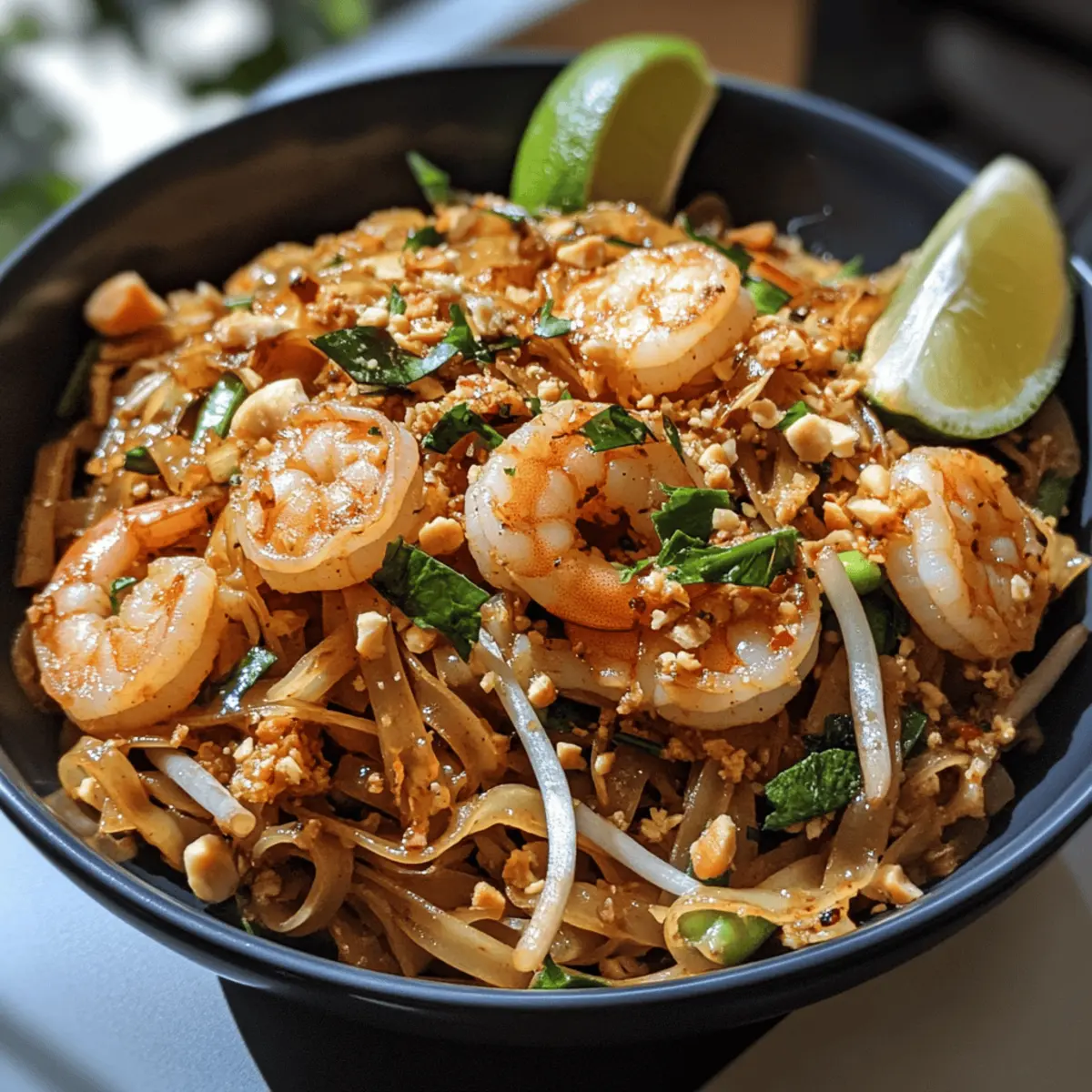
Easy Classic Shrimp Pad Thai: Bold Flavors Made at Home
Ingredients
Equipment
Method
- In a small bowl whisk tamarind paste, fish sauce, palm sugar, and chili flakes with 3–4 tbsp warm water until smooth and balanced.
- Submerge rice noodles in warm water for about 15–20 minutes until pliable but still slightly firm, then drain and set aside.
- Warm a tablespoon of oil in a wok over medium-high heat until shimmering.
- Add peeled shrimp and stir constantly for 2–3 minutes until pink and opaque, then transfer to a plate.
- Add more oil, pour in beaten eggs, and gently stir until just set.
- Add drained noodles and sauce to the pan, tossing for about 2 minutes until noodles are glossy.
- Return shrimp, green onions, and bean sprouts; toss for 1 minute until heated through.
- Garnish with extra crushed peanuts and cilantro if desired.