
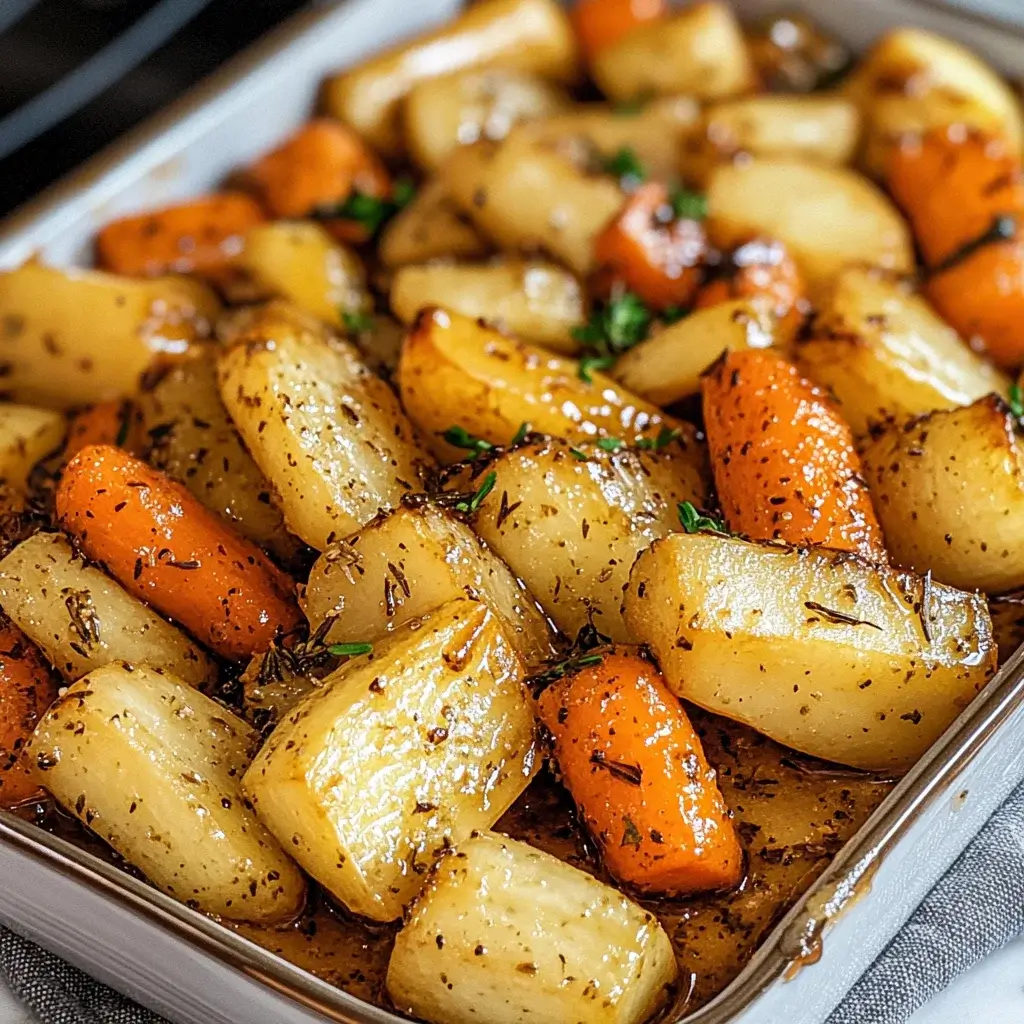
It’s amazing how a simple side dish can completely transform a meal. For me, Honey-Glazed Carrots and Parsnips are that magical side. I remember the first time I made this recipe – it was for a Thanksgiving dinner, and I was looking for something a little different from the usual mashed potatoes and green beans. Honestly, I wasn’t expecting it to be such a hit. But from the moment they came out of the oven, glistening with that beautiful honey glaze and smelling subtly sweet and earthy, I knew we were onto something special. The combination of the sweet honey, the gentle warmth of cinnamon, and the natural sweetness of the carrots and parsnips was just incredible. And the texture! Perfectly tender-crisp, not mushy at all. My family, even the ones who are usually lukewarm about vegetables, devoured them. There were requests for seconds, and even thirds! Since then, Honey-Glazed Carrots and Parsnips have become a staple in my kitchen, not just for holidays, but for any weeknight meal that needs a touch of elegance and deliciousness. They are surprisingly easy to make, require minimal ingredients, and always deliver maximum flavor. If you’re looking for a side dish that’s both healthy and incredibly tasty, that’s guaranteed to impress even the pickiest eaters, then you absolutely must try this recipe. It’s a simple yet sophisticated way to elevate any meal, and it will quickly become a family favorite in your home too.
Ingredients for Delightful Honey-Glazed Carrots and Parsnips
Creating truly exceptional Honey-Glazed Carrots and Parsnips starts with selecting fresh, high-quality ingredients and understanding their roles in building the final flavor and texture of the dish. Let’s explore each component in detail to ensure your side dish is nothing short of perfect.
For the Vegetables:
- 1 lb Carrots, peeled and cut into 2-inch pieces: Carrots form the sweet and vibrant base of this dish. Look for firm, brightly colored carrots without blemishes or cracks. Peeling the carrots ensures a smooth texture and removes any potential bitterness from the skin. Cutting them into uniform 2-inch pieces promotes even cooking, ensuring that they become tender-crisp at the same time as the parsnips. You can use regular carrots, or for visual variety, consider using rainbow carrots for a mix of colors. Baby carrots can be used for convenience, but they tend to be less flavorful and can become mushier when roasted. Larger, whole carrots, when properly prepared, offer a superior texture and flavor in this recipe.
- 1 lb Parsnips, peeled and cut into 2-inch pieces: Parsnips bring a unique sweetness and subtle earthy, nutty flavor that perfectly complements the carrots and honey glaze. Choose parsnips that are firm and creamy white, avoiding any that are soft, bruised, or have green tops (which can be bitter). Like carrots, peeling the parsnips is recommended to remove any potential bitterness and create a smooth texture. Cutting them into 2-inch pieces, similar to the carrots, ensures even cooking and a consistent presentation. Parsnips, when roasted, develop a delightful caramelized sweetness that pairs beautifully with the honey and spices.
For the Honey Glaze:
- 3 tablespoons Honey: Honey is the star of the glaze, providing its signature sweetness and a beautiful glossy finish to the vegetables. Choose a good quality honey for the best flavor. Different types of honey will impart slightly different nuances – wildflower honey offers a mild and floral sweetness, while buckwheat honey has a bolder, more molasses-like flavor. For this recipe, a mild to medium-bodied honey like clover or wildflower works exceptionally well, allowing the natural sweetness of the carrots and parsnips to shine through while adding its own distinct floral and aromatic notes.
- 2 tablespoons Olive Oil (or Avocado Oil): Olive oil or avocado oil is essential for roasting the vegetables and helping the glaze adhere evenly. Olive oil contributes a subtle fruity flavor, while avocado oil is more neutral in taste, allowing the other flavors to stand out. Both oils have a high enough smoke point for roasting and help to create a tender-crisp texture in the vegetables. The oil also prevents the vegetables from drying out during roasting and aids in the caramelization process, enhancing their natural sweetness.
- 1 tablespoon Lemon Juice (freshly squeezed): Freshly squeezed lemon juice adds a crucial element of acidity to the honey glaze, balancing the sweetness and preventing it from becoming cloying. The acidity brightens the flavors of the carrots and parsnips and cuts through the richness of the honey and oil. Fresh lemon juice is always preferred for its vibrant and clean flavor. Avoid bottled lemon juice, which can sometimes taste artificial or metallic.
- 1 teaspoon Ground Cinnamon: Ground cinnamon adds warmth, spice, and a touch of autumnal flavor to the honey glaze. Cinnamon pairs beautifully with both carrots and parsnips, enhancing their natural sweetness and earthy notes. Use good quality ground cinnamon for the best aroma and flavor. A little cinnamon goes a long way in adding depth and complexity to the glaze. You can adjust the amount of cinnamon to your preference, adding a bit more for a stronger cinnamon flavor, or slightly less if you prefer a more subtle hint of spice.
- 1/2 teaspoon Salt: Salt is essential for enhancing the flavors of all the ingredients and balancing the sweetness of the honey. Use kosher salt or sea salt for the best flavor. Salt not only seasons the vegetables but also helps to draw out moisture, promoting better browning and caramelization during roasting.
- 1/4 teaspoon Black Pepper (freshly ground): Freshly ground black pepper adds a subtle savory note and a touch of spice that complements the sweetness of the honey and cinnamon. Freshly ground pepper has a more robust and aromatic flavor compared to pre-ground pepper. The black pepper adds a subtle complexity to the glaze, preventing it from being overly sweet and adding a layer of savory depth.
Optional Ingredients for Variations:
- 1/4 teaspoon Ground Nutmeg (for extra warmth): Ground nutmeg can be added along with the cinnamon for an extra layer of warmth and spice, especially during fall and winter months.
- 1/4 teaspoon Ground Ginger (for a zesty kick): Ground ginger adds a zesty and slightly spicy kick to the glaze, providing a different dimension of flavor.
- Fresh Thyme or Rosemary Sprigs (for herbaceous notes): Fresh thyme or rosemary sprigs can be added to the roasting pan for herbaceous and aromatic notes that complement the sweetness of the glaze and the earthy vegetables.
- Maple Syrup (for a different sweetener): For a slightly different flavor profile, you can substitute a portion of the honey with maple syrup. Maple syrup adds a rich, caramel-like sweetness that is also delicious with carrots and parsnips.
By carefully selecting each of these ingredients and understanding their roles, you are setting the stage for creating truly delightful and flavorful Honey-Glazed Carrots and Parsnips. The quality of your ingredients directly impacts the final taste of your dish, so choosing well is key.
Step-by-Step Instructions for Making Honey-Glazed Carrots and Parsnips
Now that we have all our ingredients prepped and ready, let’s walk through the simple steps of creating these delicious Honey-Glazed Carrots and Parsnips. This recipe focuses on roasting, which brings out the natural sweetness of the vegetables and creates a beautiful caramelized glaze.
Step 1: Prepare the Vegetables
- Preheat Oven to 400°F (200°C): Preheat your oven to 400°F (200°C). This temperature is ideal for roasting vegetables to achieve a tender-crisp texture and a golden-brown glaze.
- Peel and Cut Carrots and Parsnips: Peel the carrots and parsnips thoroughly using a vegetable peeler. Cut them into uniform 2-inch pieces. Try to make the pieces roughly the same size to ensure even cooking.
- Toss Vegetables with Olive Oil, Salt, and Pepper: In a large bowl, toss the prepared carrots and parsnips with 2 tablespoons of olive oil, ½ teaspoon of salt, and ¼ teaspoon of freshly ground black pepper. Ensure the vegetables are evenly coated with oil and seasonings. This step helps to season the vegetables and promote even roasting.
Step 2: Roast the Vegetables
- Arrange Vegetables in a Single Layer on a Baking Sheet: Spread the seasoned carrots and parsnips in a single layer on a large baking sheet. Avoid overcrowding the baking sheet, as this can cause the vegetables to steam instead of roast, resulting in a less desirable texture. If necessary, use two baking sheets to ensure a single layer.
- Roast for 20 minutes: Roast the vegetables in the preheated oven for 20 minutes. Roasting for this initial period allows the vegetables to begin to soften and develop some color before the honey glaze is added.
Step 3: Prepare the Honey Glaze
- Whisk Together Honey, Lemon Juice, Cinnamon, and Remaining Olive Oil: While the vegetables are roasting, prepare the honey glaze. In a small bowl, whisk together the honey, lemon juice, ground cinnamon, and the remaining 1 tablespoon of olive oil until well combined and smooth. The lemon juice is crucial for balancing the sweetness of the honey and adding brightness to the glaze.
Step 4: Glaze and Continue Roasting
- Remove Baking Sheet from Oven: After 20 minutes of roasting, carefully remove the baking sheet from the oven.
- Pour Honey Glaze Over Vegetables: Pour the prepared honey glaze evenly over the partially roasted carrots and parsnips.
- Toss Vegetables to Coat Evenly: Toss the vegetables gently with tongs or a spatula to ensure they are evenly coated with the honey glaze.
- Return to Oven and Roast for Another 15-20 minutes: Return the baking sheet to the oven and continue to roast for another 15-20 minutes, or until the carrots and parsnips are tender-crisp and beautifully glazed. The glaze should be caramelized and slightly sticky, and the vegetables should be easily pierced with a fork but still retain a slight bite.
- Check for Tenderness: Check for tenderness by piercing a carrot and a parsnip with a fork. They should be tender but not mushy. If they are still too firm, continue roasting for a few more minutes, checking every 5 minutes.
Step 5: Serve and Enjoy
- Remove from Oven and Let Rest Briefly: Once the vegetables are roasted to perfection, remove the baking sheet from the oven and let them rest for a few minutes before serving. This allows the glaze to set slightly and the vegetables to cool down just enough to be enjoyed.
- Serve Hot: Serve the Honey-Glazed Carrots and Parsnips hot as a side dish. Garnish with fresh herbs like chopped parsley or thyme sprigs, if desired, for a touch of freshness and visual appeal.
Following these step-by-step instructions will guide you to create perfectly roasted and deliciously glazed Honey-Glazed Carrots and Parsnips. The simple technique of roasting combined with the flavorful honey glaze transforms these humble root vegetables into an elegant and delightful side dish.
Nutrition Facts for Honey-Glazed Carrots and Parsnips
Understanding the nutritional content of your meals can be helpful for making informed dietary choices. Here’s an approximate nutritional breakdown for a serving of Honey-Glazed Carrots and Parsnips. Please note that these values are estimates and can vary based on specific ingredients, portion sizes, and preparation methods.
Servings: This recipe typically yields approximately 6 servings, depending on portion sizes.
Approximate Nutrition Facts Per Serving (Estimated, based on 6 servings):
- Calories: 150-200 calories (This can vary depending on the amount of honey and olive oil used and portion sizes.)
- Protein: 1-2 grams
- Fat: 7-9 grams (Primarily from olive oil)
- Saturated Fat: 1-2 grams (Primarily from olive oil)
- Cholesterol: 0 mg
- Carbohydrates: 20-25 grams
- Dietary Fiber: 5-7 grams
- Sugars: 10-15 grams (Natural sugars from carrots, parsnips, and honey)
- Sodium: 150-200 mg (This can be adjusted by controlling salt additions.)
Key Nutritional Highlights:
- Excellent Source of Vitamin A: Carrots and parsnips are both rich in beta-carotene, which the body converts to Vitamin A. Vitamin A is essential for vision, immune function, and skin health.
- Good Source of Dietary Fiber: Carrots and parsnips are good sources of dietary fiber, which is important for digestive health, blood sugar control, and promoting feelings of fullness.
- Source of Vitamin C: Carrots and parsnips contain Vitamin C, an antioxidant that supports immune function and collagen production.
- Source of Potassium: Parsnips are a good source of potassium, an electrolyte important for heart health and blood pressure regulation.
- Provides Antioxidants: Carrots and parsnips, along with cinnamon, contain antioxidants that help protect cells from damage.
- Naturally Sweet: Carrots and parsnips are naturally sweet vegetables, and this recipe uses honey to enhance their sweetness in a relatively moderate way compared to desserts.
Tips for Making it Healthier:
- Reduce Honey Amount: You can reduce the amount of honey slightly to lower the sugar and calorie content while still maintaining a delicious glaze. Experiment with using 2 tablespoons of honey instead of 3.
- Use a Lighter Oil: While olive oil is a healthy fat, you can use a lighter oil like avocado oil or even cooking spray in moderation to slightly reduce the fat content.
- Increase Vegetable Portion: Increase the portion of carrots and parsnips per serving and slightly reduce the amount of glaze per serving to increase the vegetable-to-glaze ratio.
- Serve as Part of a Balanced Meal: Pair Honey-Glazed Carrots and Parsnips with lean protein sources like grilled chicken, fish, or tofu, and whole grains like quinoa or brown rice to create a balanced and nutritious meal.
- Watch Portion Sizes: Be mindful of portion sizes, especially if you are watching your calorie or sugar intake. While this side dish is healthier than many other glazed vegetable dishes, it still contains calories and sugars.
Disclaimer: These nutritional facts are estimates based on standard ingredients and portion sizes. Actual values may vary. For precise nutritional information, you can use online nutrition calculators and input the specific ingredients and quantities you use in your recipe. If you have specific dietary concerns or requirements, it’s always best to consult with a registered dietitian or nutritionist.
Preparation Time for Honey-Glazed Carrots and Parsnips
Honey-Glazed Carrots and Parsnips are surprisingly quick and easy to prepare, making them a great option for weeknight dinners or holiday meals. Here’s a breakdown of the preparation and cooking times involved in making this recipe:
Prep Time:
- Vegetable Preparation (Peeling and Cutting Carrots and Parsnips): 15-20 minutes
- Peeling carrots: 5-7 minutes
- Peeling parsnips: 5-7 minutes
- Cutting carrots and parsnips into pieces: 5-7 minutes
- Glaze Preparation (Whisking ingredients): 2-3 minutes
- Tossing Vegetables with Oil and Seasonings: 2-3 minutes
Total Prep Time: Approximately 20-25 minutes
Cook Time:
- Roasting Vegetables (First Stage): 20 minutes
- Roasting with Glaze (Second Stage): 15-20 minutes
Total Cook Time: Approximately 35-40 minutes
Total Time (Prep + Cook): Approximately 55-65 minutes
Key Time Considerations:
- Relatively Quick Side Dish: Honey-Glazed Carrots and Parsnips are ready in about an hour from start to finish, making them a relatively quick side dish option.
- Mostly Hands-Off Cooking: The majority of the cook time is inactive oven roasting time. While the vegetables are roasting, you can focus on preparing other parts of your meal or relax.
- Efficient Prep: The prep work primarily involves peeling and cutting vegetables, which is straightforward. Having a sharp vegetable peeler and knife will speed up the prep process.
- Make-Ahead Potential (Partial): You can peel and cut the carrots and parsnips a day ahead and store them in airtight containers in the refrigerator to save time on the day of cooking. However, it’s best to prepare the glaze and roast the vegetables closer to serving time for the best texture and glaze quality.
Tips for Time Management:
- Prep Vegetables Simultaneously: If you have someone helping in the kitchen, one person can peel the carrots while the other peels the parsnips to save time.
- Use a Large Baking Sheet: Using a large baking sheet allows you to roast all the vegetables in a single batch, minimizing cooking time.
- Read Recipe Through: Read through the entire recipe before starting to get a clear understanding of the steps and timing, which can help you work more efficiently.
By understanding the preparation and cooking time, you can easily incorporate Honey-Glazed Carrots and Parsnips into your meal planning. Their relatively quick cooking time and delicious flavor make them a convenient and impressive side dish for any occasion.
How to Serve Honey-Glazed Carrots and Parsnips
Honey-Glazed Carrots and Parsnips are a versatile and elegant side dish that pairs beautifully with a wide variety of main courses. Here are some serving suggestions to help you incorporate them into your meals:
Classic and Simple Serving:
- Alongside Roasted Meats: Honey-Glazed Carrots and Parsnips are a classic accompaniment to roasted meats like roasted chicken, turkey, pork loin, or beef roast. The sweetness of the glaze and the earthy vegetables balance the richness of the meat perfectly.
- With Grilled or Pan-Seared Fish or Chicken: These glazed vegetables also pair well with grilled or pan-seared fish like salmon or cod, or chicken breasts or thighs. The sweetness and slight caramelization add depth of flavor to lighter proteins.
- As Part of a Holiday Feast: They are a perfect addition to holiday meals like Thanksgiving, Christmas, or Easter. Their vibrant color and festive flavors make them a visually appealing and delicious side dish for special occasions.
- Alongside Vegetarian Mains: Honey-Glazed Carrots and Parsnips complement vegetarian main courses such as lentil loaf, mushroom Wellington, or roasted vegetable tarts. They add sweetness and heartiness to vegetarian meals.
Elevated Serving Suggestions:
- Over Polenta or Mashed Potatoes: Serve Honey-Glazed Carrots and Parsnips over a bed of creamy polenta or mashed potatoes. The smooth, creamy base provides a lovely contrast in texture and flavor to the roasted vegetables.
- With Grains like Quinoa or Farro: Pair them with cooked grains like quinoa, farro, or couscous for a more substantial and complete side dish. The grains absorb the glaze and create a satisfying and flavorful combination.
- In a Salad: Let the Honey-Glazed Carrots and Parsnips cool slightly and add them to a warm or cold salad with mixed greens, toasted nuts, crumbled cheese (like feta or goat cheese), and a light vinaigrette. This adds a touch of sweetness and warmth to salads.
- Alongside a Cheese Board: Arrange Honey-Glazed Carrots and Parsnips on a cheese board alongside various cheeses, crackers, and fruits. The sweetness and earthy notes of the vegetables pair well with many cheeses.
Garnishing Ideas:
- Fresh Herbs: Garnish with fresh herbs like chopped parsley, thyme sprigs, or rosemary sprigs for a pop of fresh flavor and visual appeal.
- Toasted Nuts: Sprinkle toasted nuts like chopped pecans, walnuts, or almonds over the vegetables for added crunch and nutty flavor.
- Crumbled Feta or Goat Cheese: A sprinkle of crumbled feta or goat cheese adds a tangy and creamy element that complements the sweetness of the glaze.
- A Drizzle of Balsamic Glaze: A drizzle of balsamic glaze over the finished vegetables adds a touch of sweetness and acidity and a beautiful glossy finish.
- Orange Zest: Grated orange zest adds a bright citrusy aroma and flavor that complements the honey and cinnamon.
Serving Temperature:
- Serve Hot: Honey-Glazed Carrots and Parsnips are best served hot, right out of the oven, when they are tender-crisp and the glaze is still warm and glossy.
- Serve Warm (if making ahead): If you are making them ahead of time, you can reheat them gently in the oven or microwave until warmed through. They can also be served warm, but they are most appealing when freshly roasted and hot.
No matter how you choose to serve them, Honey-Glazed Carrots and Parsnips are a versatile and crowd-pleasing side dish that elevates any meal. Their sweet and savory flavor profile and beautiful presentation make them a welcome addition to any table.
Additional Tips for the Best Honey-Glazed Carrots and Parsnips
To ensure your Honey-Glazed Carrots and Parsnips are absolutely perfect every time, here are five additional tips to keep in mind:
Tip 1: Cut Vegetables Uniformly for Even Cooking
Uniformly sized vegetable pieces are crucial for even cooking. When carrots and parsnips are cut into roughly the same size and thickness, they will cook at the same rate, ensuring that they are all tender-crisp at the same time. Inconsistent sizes can result in some pieces being overcooked and mushy while others are still undercooked and hard.
- Aim for 2-inch Pieces: Cut both carrots and parsnips into approximately 2-inch pieces. This size is large enough to prevent them from overcooking and becoming mushy during roasting, while still cooking through to tender-crisp perfection.
- Consider Thickness: Try to cut the pieces to a similar thickness as well. If you have very thick carrots or parsnips, you may need to halve or quarter them lengthwise before cutting them into 2-inch pieces to ensure they cook evenly.
- Use a Sharp Knife: Use a sharp chef’s knife to make clean cuts and ensure consistent sizes. A sharp knife also makes the prep work faster and safer.
- Don’t Overcrowd the Baking Sheet: Evenly sized pieces will cook best when they are arranged in a single layer on a baking sheet, without overcrowding. Overcrowding can lead to steaming instead of roasting, resulting in unevenly cooked vegetables.
Tip 2: Don’t Skimp on Roasting Time
Roasting vegetables properly is key to developing their natural sweetness and achieving a tender-crisp texture. Don’t be tempted to shorten the roasting time, as this can result in vegetables that are still hard and undercooked. The initial roasting stage without the glaze is important for softening the vegetables before the glaze is added.
- Roast for the Full Recommended Time: Follow the recipe’s recommended roasting times closely. Roast for 20 minutes initially, then add the glaze and roast for another 15-20 minutes, or until tender-crisp.
- Check for Tenderness: Use a fork to check for tenderness. The vegetables should be easily pierced with a fork but still have a slight resistance and not be completely mushy.
- Adjust Roasting Time if Needed: Roasting times can vary slightly depending on oven calibration and the size and thickness of your vegetable pieces. If your vegetables are still too firm after the recommended time, continue roasting for a few more minutes, checking every 5 minutes, until they reach the desired tenderness.
- Don’t Over-Roast: Over-roasting can cause the vegetables to become too soft and mushy, and the glaze can burn. Keep an eye on them during the final roasting stage and remove them from the oven as soon as they are tender-crisp.
Tip 3: Use Fresh Lemon Juice for Brightness
Freshly squeezed lemon juice is essential for adding brightness and acidity to the honey glaze. Bottled lemon juice can sometimes taste flat or artificial and lacks the vibrant flavor of fresh lemon juice. The acidity of the lemon juice balances the sweetness of the honey and prevents the glaze from becoming cloying.
- Squeeze Fresh Lemon Juice: Use freshly squeezed lemon juice for the best flavor. Squeeze juice from a fresh lemon right before making the glaze.
- Use a Lemon Juicer: Use a lemon juicer or citrus press to efficiently extract the juice from the lemon.
- Don’t Substitute Bottled Lemon Juice (if possible): While bottled lemon juice can be used in a pinch, fresh lemon juice will significantly enhance the flavor of the glaze. If you must use bottled lemon juice, consider adding a little extra to achieve the desired level of acidity.
- Adjust Lemon Juice to Taste: If you prefer a tangier glaze, you can add a little extra lemon juice to taste.
Tip 4: Toss Vegetables Thoroughly with Glaze
Ensuring that the vegetables are thoroughly and evenly coated with the honey glaze is important for achieving a consistent and flavorful glaze on every piece. Tossing the vegetables gently but thoroughly after pouring the glaze over them helps to distribute the glaze evenly.
- Pour Glaze Evenly: Pour the honey glaze evenly over the partially roasted vegetables on the baking sheet.
- Use Tongs or Spatula for Tossing: Use tongs or a spatula to gently toss the vegetables to coat them thoroughly with the glaze. Be careful not to break the vegetables while tossing.
- Ensure Every Piece is Coated: Make sure that every piece of carrot and parsnip is coated with the glaze, including the undersides. This ensures that each piece will be beautifully glazed and flavorful.
- Toss Gently to Avoid Damage: Toss the vegetables gently to avoid damaging them. They are partially cooked and can be somewhat delicate at this stage.
Tip 5: Adjust Seasoning to Taste
Seasoning is crucial for bringing out the best flavors in any dish, and Honey-Glazed Carrots and Parsnips are no exception. Taste the vegetables after they are roasted and adjust the seasoning as needed to ensure the flavors are balanced and delicious.
- Taste Before Serving: Taste the roasted vegetables just before serving.
- Adjust Salt and Pepper: Check the seasoning and add more salt and freshly ground black pepper to taste if needed. The sweetness of the honey and the natural sweetness of the vegetables should be balanced by a savory note from the salt and pepper.
- Consider Adding More Cinnamon (Optional): If you prefer a stronger cinnamon flavor, you can sprinkle a pinch more ground cinnamon over the roasted vegetables before serving.
- Add Fresh Herbs (Optional): Garnish with fresh herbs like chopped parsley or thyme sprigs for a final touch of freshness and flavor. Taste again after adding herbs and adjust seasoning if needed.
By following these additional tips, you can consistently create Honey-Glazed Carrots and Parsnips that are perfectly cooked, beautifully glazed, and bursting with delicious, balanced flavors. These details elevate this simple side dish to a truly memorable and enjoyable culinary experience.
Frequently Asked Questions (FAQ) about Honey-Glazed Carrots and Parsnips
Here are five frequently asked questions about making Honey-Glazed Carrots and Parsnips, along with detailed answers to help you troubleshoot and perfect your recipe:
Q1: Can I use baby carrots for this recipe?
A: Yes, you can use baby carrots for Honey-Glazed Carrots and Parsnips, but there are a few considerations to keep in mind. While baby carrots are convenient and require less prep work, they may not yield the same texture and flavor as using whole carrots that are peeled and cut.
Here are some points to consider when using baby carrots:
- Texture: Baby carrots tend to be less flavorful and can become mushier when roasted compared to whole carrots. They may not achieve the same tender-crisp texture as larger carrot pieces.
- Flavor: Whole carrots, especially when roasted, develop a more intense and complex sweetness compared to baby carrots. Baby carrots may have a milder flavor.
- Cooking Time: Baby carrots will cook faster than larger carrot pieces. You may need to reduce the initial roasting time and the overall roasting time to prevent them from overcooking. Check for tenderness earlier than indicated in the recipe.
- Preparation: The main advantage of baby carrots is convenience – they are already peeled and mostly uniform in size. However, for this recipe, you may still want to halve or quarter larger baby carrots lengthwise to ensure they cook evenly alongside the parsnips.
If you choose to use baby carrots, here are some tips:
- Halve or Quarter Larger Baby Carrots: If using larger baby carrots, halve or quarter them lengthwise to ensure they cook evenly and are a similar size to the parsnip pieces.
- Reduce Roasting Time: Reduce the initial roasting time to 15 minutes and the final roasting time after adding the glaze to 10-15 minutes. Check for tenderness frequently to avoid overcooking.
- Consider Roasting at a Slightly Higher Temperature: Roasting at a slightly higher temperature (e.g., 425°F/220°C) for a shorter time can help baby carrots caramelize more quickly before they become too mushy.
- Use Good Quality Baby Carrots: Choose fresh, firm baby carrots for the best results. Avoid bags of baby carrots that appear slimy or have a whitish “carrot blush,” which indicates dehydration.
While using baby carrots is possible for convenience, for the best texture, flavor, and overall quality, using whole carrots that are peeled and cut into 2-inch pieces is generally recommended for Honey-Glazed Carrots and Parsnips.
Q2: Can I make this recipe ahead of time?
A: Yes, you can prepare Honey-Glazed Carrots and Parsnips partially ahead of time. While they are best served fresh and hot right out of the oven, you can do some prep work in advance and even roast them partially.
Here are some make-ahead options:
- Prep Vegetables Ahead: You can peel and cut the carrots and parsnips a day ahead and store them in airtight containers filled with cold water in the refrigerator. This prevents them from drying out and discoloring. Drain them well before roasting.
- Make Honey Glaze Ahead: You can prepare the honey glaze a day or two ahead and store it in an airtight container at room temperature or in the refrigerator. If refrigerated, bring it to room temperature or warm it slightly before using to make it easier to pour and toss with the vegetables.
- Roast Vegetables Partially Ahead: You can roast the carrots and parsnips for the initial 20 minutes (Step 2 of the recipe) ahead of time. Let them cool completely, then store them in an airtight container in the refrigerator. When ready to serve, preheat the oven, prepare the honey glaze, pour it over the partially roasted vegetables, toss to coat, and continue roasting for the remaining 15-20 minutes (Step 4 of the recipe) until tender-crisp and glazed.
Reheating Cooked Honey-Glazed Carrots and Parsnips:
If you need to cook the entire dish ahead of time and reheat it, follow these tips:
- Roast Until Just Tender-Crisp: Roast the vegetables until they are just tender-crisp, slightly undercooking them as they will continue to soften during reheating.
- Cool and Store: Let the roasted vegetables cool completely and store them in an airtight container in the refrigerator.
- Reheat Gently: Reheat the vegetables gently in a preheated oven at 350°F (175°C) or in a microwave until warmed through. Be careful not to overheat them, as they can become mushy. You can also reheat them in a skillet over medium-low heat, adding a tablespoon of water or broth to prevent drying out.
While make-ahead options are convenient, freshly roasted Honey-Glazed Carrots and Parsnips will always have the best texture and glaze quality. If possible, roast them closer to serving time for optimal results.
Q3: Can I use maple syrup instead of honey?
A: Yes, you can use maple syrup as a substitute for honey in Honey-Glazed Carrots and Parsnips, although it will alter the flavor profile slightly. Maple syrup provides a different kind of sweetness – richer, more caramel-like, and with a distinct maple flavor.
Here’s how to substitute maple syrup for honey:
- Direct Substitution: You can substitute maple syrup for honey in a 1:1 ratio. Use 3 tablespoons of maple syrup instead of 3 tablespoons of honey in the glaze.
- Flavor Profile Change: Be aware that using maple syrup will result in a different flavor profile. The glaze will have a more pronounced maple flavor, which can be delicious, especially if you enjoy maple syrup. It will be less floral and subtly sweet compared to honey glaze.
- Adjust Sweetness (Optional): Maple syrup can sometimes be perceived as slightly less sweet than honey. If you prefer a sweeter glaze, you can add a touch more maple syrup or a small amount of another sweetener like brown sugar or agave nectar.
- Consider Grade of Maple Syrup: Use a good quality pure maple syrup. Grade A Dark or Grade B (now Grade A Very Dark Color, Robust Taste) maple syrups will have a stronger maple flavor compared to Grade A Light or Grade A Amber syrups. Choose a grade that suits your preference for maple intensity.
Tips for Using Maple Syrup:
- Combine with Lemon Juice and Spices: Just like with honey, be sure to combine the maple syrup with lemon juice, cinnamon, salt, and pepper to create a balanced and flavorful glaze. The acidity of the lemon juice is still important to balance the sweetness of the maple syrup.
- Roasting Time Remains the Same: The roasting time for the vegetables remains the same when using maple syrup.
Using maple syrup instead of honey is a great option for those who prefer maple flavor or are looking for a vegan alternative (honey is not considered vegan by everyone). It provides a delicious variation on Honey-Glazed Carrots and Parsnips.
Q4: Can I add other spices or herbs to the glaze?
A: Yes, absolutely! Honey-Glazed Carrots and Parsnips are very versatile, and you can easily customize the glaze by adding other spices and herbs to create different flavor variations.
Here are some spice and herb additions to consider:
- Spices:
- Ground Nutmeg: Add ¼ teaspoon of ground nutmeg along with the cinnamon for extra warmth and a cozy, autumnal flavor.
- Ground Ginger: Add ¼ teaspoon of ground ginger for a zesty and slightly spicy kick.
- Allspice: A pinch of ground allspice can add a warm, complex spice note.
- Cardamom: A pinch of ground cardamom can add a fragrant and slightly citrusy spice note.
- Cloves (Ground): A very small pinch of ground cloves can add intense warmth, but use sparingly as cloves can be overpowering.
- Star Anise (Whole): Add 1-2 whole star anise to the glaze mixture for a subtle licorice-like aroma. Remove star anise before pouring the glaze over vegetables.
- Herbs:
- Fresh Thyme Sprigs: Add a few sprigs of fresh thyme to the roasting pan along with the vegetables for a subtle earthy and herbaceous aroma. Remove thyme sprigs before serving.
- Fresh Rosemary Sprigs: Add a few sprigs of fresh rosemary for a piney and aromatic note. Remove rosemary sprigs before serving.
- Dried Thyme or Rosemary: You can also use dried thyme or rosemary. Add about ½ teaspoon of dried thyme or rosemary to the glaze mixture.
- Fresh Sage: Add a few fresh sage leaves to the roasting pan or chop fresh sage finely and add it to the glaze for a savory and slightly peppery herb note.
Tips for Adding Spices and Herbs:
- Start Small: When adding new spices or herbs, start with small amounts and taste as you go. You can always add more, but you can’t easily take it away.
- Complementary Flavors: Choose spices and herbs that complement the sweetness of the honey and the earthy flavors of carrots and parsnips. Warm spices like cinnamon, nutmeg, ginger, and herbs like thyme and rosemary generally pair well.
- Fresh vs. Dried Herbs: Fresh herbs generally have a brighter and more delicate flavor than dried herbs. If using dried herbs, use about half the amount called for with fresh herbs.
- Experiment and Personalize: Don’t be afraid to experiment with different combinations of spices and herbs to create your own signature Honey-Glazed Carrots and Parsnips flavor profile.
Q5: What are some good main course pairings for Honey-Glazed Carrots and Parsnips?
A: Honey-Glazed Carrots and Parsnips are a versatile side dish that pairs well with a wide variety of main courses. Their sweetness and earthy flavors complement both rich and lighter proteins, as well as vegetarian dishes.
Here are some excellent main course pairings:
- Roasted Meats:
- Roasted Chicken: A classic pairing. The sweetness of the vegetables balances the savory chicken beautifully.
- Roasted Turkey: Perfect for Thanksgiving or holiday dinners.
- Pork Loin Roast: The glaze complements the richness of pork and cuts through the fat.
- Beef Roast (Pot Roast, Sirloin Roast): The sweetness and earthiness of the vegetables provide a nice counterpoint to savory beef.
- Lamb Roast: Honey and cinnamon pair wonderfully with lamb.
- Grilled or Pan-Seared Proteins:
- Grilled Salmon or Cod: The sweetness and caramelization of the vegetables add depth to lighter fish.
- Pan-Seared Chicken Breasts or Thighs: A simple and healthy pairing for weeknight meals.
- Grilled Pork Chops: The glaze complements the flavor of grilled pork.
- Tofu or Tempeh (Grilled or Pan-Seared): For vegetarian/vegan options, glazed carrots and parsnips pair well with grilled or pan-seared tofu or tempeh.
- Holiday Mains:
- Thanksgiving Turkey or Ham: A traditional side dish for Thanksgiving or Christmas feasts.
- Christmas Ham: The sweet glaze complements the saltiness of ham.
- Prime Rib Roast: A more elegant pairing for special occasions.
- Vegetarian Mains:
- Lentil Loaf: Honey-Glazed Carrots and Parsnips add sweetness and heartiness to lentil loaf.
- Mushroom Wellington: A sophisticated vegetarian main course that pairs well with the glazed vegetables.
- Roasted Vegetable Tart or Quiche: The vegetables can be incorporated into or served alongside vegetable tarts or quiches.
- Nut Roast: A vegetarian holiday main course that is complemented by the sweet and savory side dish.
- Other Considerations:
- Seasonality: Consider the season when planning your main course. Honey-Glazed Carrots and Parsnips are especially well-suited for fall and winter meals, pairing well with hearty and warming main courses.
- Flavor Profile: Think about the overall flavor profile of your meal. If your main course is very rich and savory, the sweetness of the glazed vegetables can provide a welcome balance. If your main course is lighter, the vegetables add substance and flavor.
Ultimately, the best main course pairings are a matter of personal preference. Experiment with different combinations to find your favorite ways to serve Honey-Glazed Carrots and Parsnips!
Print
Honey-Glazed Carrots and Parsnips recipe
Ingredients
For the Vegetables:
- 1 lb Carrots, peeled and cut into 2-inch pieces: Carrots form the sweet and vibrant base of this dish. Look for firm, brightly colored carrots without blemishes or cracks. Peeling the carrots ensures a smooth texture and removes any potential bitterness from the skin. Cutting them into uniform 2-inch pieces promotes even cooking, ensuring that they become tender-crisp at the same time as the parsnips. You can use regular carrots, or for visual variety, consider using rainbow carrots for a mix of colors. Baby carrots can be used for convenience, but they tend to be less flavorful and can become mushier when roasted. Larger, whole carrots, when properly prepared, offer a superior texture and flavor in this recipe.
- 1 lb Parsnips, peeled and cut into 2-inch pieces: Parsnips bring a unique sweetness and subtle earthy, nutty flavor that perfectly complements the carrots and honey glaze. Choose parsnips that are firm and creamy white, avoiding any that are soft, bruised, or have green tops (which can be bitter). Like carrots, peeling the parsnips is recommended to remove any potential bitterness and create a smooth texture. Cutting them into 2-inch pieces, similar to the carrots, ensures even cooking and a consistent presentation. Parsnips, when roasted, develop a delightful caramelized sweetness that pairs beautifully with the honey and spices.
For the Honey Glaze:
- 3 tablespoons Honey: Honey is the star of the glaze, providing its signature sweetness and a beautiful glossy finish to the vegetables. Choose a good quality honey for the best flavor. Different types of honey will impart slightly different nuances – wildflower honey offers a mild and floral sweetness, while buckwheat honey has a bolder, more molasses-like flavor. For this recipe, a mild to medium-bodied honey like clover or wildflower works exceptionally well, allowing the natural sweetness of the carrots and parsnips to shine through while adding its own distinct floral and aromatic notes.
- 2 tablespoons Olive Oil (or Avocado Oil): Olive oil or avocado oil is essential for roasting the vegetables and helping the glaze adhere evenly. Olive oil contributes a subtle fruity flavor, while avocado oil is more neutral in taste, allowing the other flavors to stand out. Both oils have a high enough smoke point for roasting and help to create a tender-crisp texture in the vegetables. The oil also prevents the vegetables from drying out during roasting and aids in the caramelization process, enhancing their natural sweetness.
- 1 tablespoon Lemon Juice (freshly squeezed): Freshly squeezed lemon juice adds a crucial element of acidity to the honey glaze, balancing the sweetness and preventing it from becoming cloying. The acidity brightens the flavors of the carrots and parsnips and cuts through the richness of the honey and oil. Fresh lemon juice is always preferred for its vibrant and clean flavor. Avoid bottled lemon juice, which can sometimes taste artificial or metallic.
- 1 teaspoon Ground Cinnamon: Ground cinnamon adds warmth, spice, and a touch of autumnal flavor to the honey glaze. Cinnamon pairs beautifully with both carrots and parsnips, enhancing their natural sweetness and earthy notes. Use good quality ground cinnamon for the best aroma and flavor. A little cinnamon goes a long way in adding depth and complexity to the glaze. You can adjust the amount of cinnamon to your preference, adding a bit more for a stronger cinnamon flavor, or slightly less if you prefer a more subtle hint of spice.
- 1/2 teaspoon Salt: Salt is essential for enhancing the flavors of all the ingredients and balancing the sweetness of the honey. Use kosher salt or sea salt for the best flavor. Salt not only seasons the vegetables but also helps to draw out moisture, promoting better browning and caramelization during roasting.
- 1/4 teaspoon Black Pepper (freshly ground): Freshly ground black pepper adds a subtle savory note and a touch of spice that complements the sweetness of the honey and cinnamon. Freshly ground pepper has a more robust and aromatic flavor compared to pre-ground pepper. The black pepper adds a subtle complexity to the glaze, preventing it from being overly sweet and adding a layer of savory depth.
Instructions
Step 1: Prepare the Vegetables
- Preheat Oven to 400°F (200°C): Preheat your oven to 400°F (200°C). This temperature is ideal for roasting vegetables to achieve a tender-crisp texture and a golden-brown glaze.
- Peel and Cut Carrots and Parsnips: Peel the carrots and parsnips thoroughly using a vegetable peeler. Cut them into uniform 2-inch pieces. Try to make the pieces roughly the same size to ensure even cooking.
- Toss Vegetables with Olive Oil, Salt, and Pepper: In a large bowl, toss the prepared carrots and parsnips with 2 tablespoons of olive oil, ½ teaspoon of salt, and ¼ teaspoon of freshly ground black pepper. Ensure the vegetables are evenly coated with oil and seasonings. This step helps to season the vegetables and promote even roasting.
Step 2: Roast the Vegetables
- Arrange Vegetables in a Single Layer on a Baking Sheet: Spread the seasoned carrots and parsnips in a single layer on a large baking sheet. Avoid overcrowding the baking sheet, as this can cause the vegetables to steam instead of roast, resulting in a less desirable texture. If necessary, use two baking sheets to ensure a single layer.
- Roast for 20 minutes: Roast the vegetables in the preheated oven for 20 minutes. Roasting for this initial period allows the vegetables to begin to soften and develop some color before the honey glaze is added.
Step 3: Prepare the Honey Glaze
- Whisk Together Honey, Lemon Juice, Cinnamon, and Remaining Olive Oil: While the vegetables are roasting, prepare the honey glaze. In a small bowl, whisk together the honey, lemon juice, ground cinnamon, and the remaining 1 tablespoon of olive oil until well combined and smooth. The lemon juice is crucial for balancing the sweetness of the honey and adding brightness to the glaze.
Step 4: Glaze and Continue Roasting
- Remove Baking Sheet from Oven: After 20 minutes of roasting, carefully remove the baking sheet from the oven.
- Pour Honey Glaze Over Vegetables: Pour the prepared honey glaze evenly over the partially roasted carrots and parsnips.
- Toss Vegetables to Coat Evenly: Toss the vegetables gently with tongs or a spatula to ensure they are evenly coated with the honey glaze.
- Return to Oven and Roast for Another 15-20 minutes: Return the baking sheet to the oven and continue to roast for another 15-20 minutes, or until the carrots and parsnips are tender-crisp and beautifully glazed. The glaze should be caramelized and slightly sticky, and the vegetables should be easily pierced with a fork but still retain a slight bite.
- Check for Tenderness: Check for tenderness by piercing a carrot and a parsnip with a fork. They should be tender but not mushy. If they are still too firm, continue roasting for a few more minutes, checking every 5 minutes.
Step 5: Serve and Enjoy
- Remove from Oven and Let Rest Briefly: Once the vegetables are roasted to perfection, remove the baking sheet from the oven and let them rest for a few minutes before serving. This allows the glaze to set slightly and the vegetables to cool down just enough to be enjoyed.
- Serve Hot: Serve the Honey-Glazed Carrots and Parsnips hot as a side dish. Garnish with fresh herbs like chopped parsley or thyme sprigs, if desired, for a touch of freshness and visual appeal.
Nutrition
- Serving Size: one normal portion
- Calories: 150-200
- Sugar: 10-15 grams
- Sodium: 150-200 mg
- Fat: 7-9 grams
- Saturated Fat: 1-2 grams
- Carbohydrates: 20-25 grams
- Fiber: 5-7 grams
- Protein: 1-2 grams