

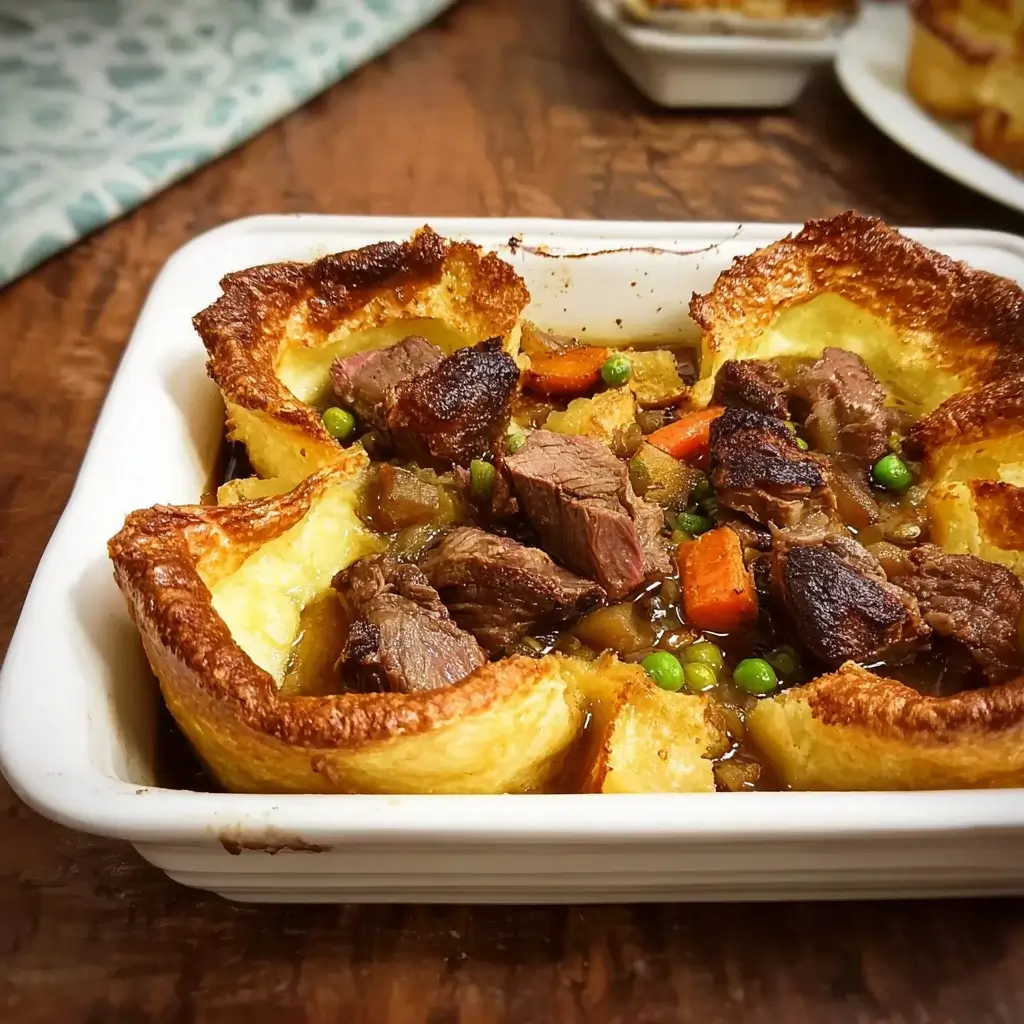
There is a unique and quiet satisfaction that comes from transforming leftovers into a meal that is not just a mere encore, but a show-stopping performance in its own right. For me, there is no greater culinary alchemy than turning the remnants of a Sunday roast into this incredible Leftover Roast Beef Yorkshire Pudding. I grew up with the British tradition of a Sunday roast, a meal that always generously provided for the week ahead. While roast beef sandwiches are a classic, my grandmother taught me the magic of folding that tender, leftover beef into a savory Yorkshire pudding batter. It was a dish born of frugality and ingenuity, a way to stretch a precious piece of meat into another hearty, comforting family meal. The first time I made it myself, the house filled with that incredible aroma of beef drippings getting screaming hot in the oven, followed by the savory scent of the baking pudding. Pulling that magnificent, golden, puffed-up creation from the oven, with its savory pockets of tender beef and a rich gravy waiting, was a moment of pure triumph. This isn’t just a recipe for leftovers; it’s a celebration of them, a dish that turns yesterday’s feast into today’s deeply satisfying, cozy, and quintessentially British comfort food.
The Genius of the Savory Yorkshire Pudding
Before we dive into the recipe, let’s appreciate the brilliance of this dish. It’s more than just a clever way to use up leftovers; it’s a perfect marriage of textures and flavors, deeply rooted in British culinary tradition.
The “Pudding”: A Savory, Eggy Marvel
First, let’s clarify what a “pudding” means in this context. For many outside the UK, “pudding” means a sweet dessert. But in Britain, it can also refer to a savory, batter-based dish. Yorkshire pudding is a classic example. The batter is incredibly simple—just flour, eggs, and milk. It’s essentially the same as a popover or Dutch baby batter. The magic lies entirely in the cooking method. The batter is poured into a pan containing sizzling hot fat (traditionally beef drippings) and then baked in a very hot oven. This intense heat causes the batter to puff up dramatically, creating a dish that is wonderfully crispy and golden on the outside edges, with a soft, slightly custardy, and tender interior. It’s a magnificent, edible vessel, perfect for soaking up flavor.
The Leftovers: Given a Glorious New Life
This is where the frugality and genius of the recipe shine. Leftover roast beef, which can sometimes be a little dry when reheated, is chopped and folded directly into the batter. As the Yorkshire pudding bakes, the beef gently reheats within the moist, eggy batter, becoming incredibly tender and succulent. It essentially steams in its own little pocket of pudding, its savory flavor infusing the entire dish. Any leftover vegetables, like roasted carrots, parsnips, or peas, can also be added, making it a true “all-in-one” meal.
The Gravy: The Unifying Elixir
A great Yorkshire pudding demands a great gravy. This is non-negotiable. The gravy is what ties everything together, adding moisture and another layer of deep, savory flavor. Using leftover gravy from your Sunday roast is ideal, as it already contains all the delicious pan juices. If you don’t have any, a rich, dark onion gravy made from scratch is the perfect accompaniment. Pouring hot gravy over the crisp, tender pudding is the final, essential step that completes this masterpiece of comfort food.
The Ultimate Leftover Roast Beef Yorkshire Pudding Recipe
This recipe creates one large, family-style Yorkshire pudding in a 9×13-inch pan, serving 4-6 people. It’s a hearty, satisfying, and incredibly budget-friendly meal.
Complete Ingredients List
For the Yorkshire Pudding Batter:
- 1 ½ cups all-purpose flour
- 1 ½ cups whole milk, at room temperature – Using room temperature milk helps the batter relax and rise better.
- 4 large eggs, at room temperature
- ½ teaspoon salt
- ¼ teaspoon freshly ground black pepper
- A pinch of English mustard powder or a teaspoon of Dijon mustard (optional, for extra flavor)
For the Filling and Baking:
- 2-3 cups chopped leftover roast beef – About ½- to 1-inch dice is perfect.
- 1 cup leftover roasted vegetables (optional) – Carrots, parsnips, peas, or potatoes all work well.
- ¼ cup beef drippings, lard, or neutral oil (like canola or vegetable oil) – Beef drippings will provide the most authentic and delicious flavor.
For Serving:
- 2-3 cups rich beef or onion gravy, hot – Leftover gravy is best, but a good quality store-bought or homemade gravy is essential.
- A handful of fresh parsley or chives, chopped (for garnish)
Step-by-Step Instructions: From Leftovers to Legendary
The key to a successful Yorkshire pudding is a well-rested batter and a screaming hot pan. Follow these steps precisely for a magnificent result.
Step 1: Make and Rest the Batter (Crucial Step)
- In a large bowl, add the 1 ½ cups of all-purpose flour, salt, pepper, and optional mustard powder. Make a well in the center.
- Crack the 4 large eggs into the well. Using a whisk, start by whisking just the eggs, then gradually begin to incorporate the flour from the sides of the well. This helps to create a smooth batter without lumps.
- Once a thick paste has formed, start to slowly pour in the 1 ½ cups of room-temperature milk, a little at a time, whisking continuously until you have a smooth, thin batter with the consistency of heavy cream.
- Pour the batter into a large jug (this will make it much easier to pour into the hot pan later).
- Crucial Step: Cover the batter and let it rest for at least 30 minutes at room temperature, or up to several hours (or even overnight) in the refrigerator. If you refrigerate it, let it come back to room temperature for 30 minutes before using. This resting period allows the gluten to relax and the starch to fully hydrate, which is the secret to a well-risen, tender pudding.
Step 2: Prepare the Pan and Oven
- While the batter is resting, preheat your oven to 425°F (220°C).
- Pour the ¼ cup of beef drippings, lard, or oil into a 9×13-inch metal baking pan or a large cast-iron skillet.
- Place the pan with the fat into the preheating oven for at least 15-20 minutes. The fat needs to be smoking hot when the batter is added. This is non-negotiable for a good rise.
Step 3: Assemble and Bake
- Give your rested batter one final whisk.
- Carefully remove the scorching hot pan from the oven.
- Working quickly and safely, scatter the chopped leftover roast beef and any optional vegetables evenly across the bottom of the hot pan.
- Immediately pour the Yorkshire pudding batter over the beef and vegetables. You should hear a satisfying sizzle as the batter hits the hot fat.
- Immediately return the pan to the hot oven.
Step 4: Bake to Puffed-Up Perfection
- Bake for 25-30 minutes. Do not open the oven door for the first 20 minutes, as the sudden drop in temperature can cause the pudding to deflate.
- The Yorkshire pudding is done when it is deeply golden brown, well-puffed around the edges, and crisp.
- While the pudding is baking, gently reheat your gravy on the stovetop.
Step 5: Serve Immediately
- Remove the magnificent pudding from the oven.
- Cut it into large squares and serve immediately while it’s hot and puffed. It will start to deflate slightly as it cools.
- Serve with generous lashings of hot gravy and a sprinkle of fresh parsley or chives.
Nutritional Information: Hearty and Wholesome
This is a hearty, all-in-one meal. The nutritional content can vary widely based on the leanness of your beef and the type of fat used.
- Servings: 4-6
- Calories per serving (approximate): 500-700 kcal
This dish is a fantastic source of protein from both the beef and the eggs. It provides carbohydrates for energy from the flour and fats for flavor and satiety. It’s a prime example of balanced, traditional comfort food.
Preparation and Cook Time
A little planning around the batter’s resting time makes this an easy weeknight meal.
- Active Preparation Time: 15 minutes (making batter, chopping beef).
- Batter Resting Time: Minimum 30 minutes.
- Cook Time: 25-30 minutes.
- Total Time: Approximately 1 hour and 15 minutes.
How to Serve Your Leftover Roast Beef Yorkshire Pudding
This is a complete meal in itself, but it pairs beautifully with simple green vegetables.
- As an All-in-One Meal:
- Serve a large square on its own, smothered in rich onion or beef gravy. It has your protein, starch, and vegetables (if included) all in one glorious package.
- With Steamed or Roasted Greens:
- The richness of the pudding is perfectly balanced by the freshness of simple green vegetables. Steamed peas, green beans, cabbage, or roasted Brussels sprouts are all excellent choices.
- With a British Condiment:
- Serve with a dollop of horseradish sauce or a sharp English mustard on the side. The pungent heat cuts through the richness beautifully.
- For a “Pub Grub” Style Dinner:
- Serve with a pint of your favorite British ale or stout for a cozy and authentic pub-style experience at home.
5 Pro Tips for a Perfect “Yorkie” Every Time
These tips are the difference between a flat, sad pudding and a magnificent, puffed-up triumph.
- Rest Your Batter. No Excuses! This is the most important rule of Yorkshire pudding making. A well-rested batter allows the flour to fully absorb the liquid and the gluten to relax. This is the scientific reason it puffs up so dramatically. An unrested batter will result in a denser, flatter pudding. Aim for at least 30 minutes, but longer is even better.
- Get Your Fat Screaming Hot: The single biggest secret to a massive rise is pouring the cool, rested batter into smoking hot fat. This initial shock of heat immediately starts to cook and set the outside of the batter, forcing the inside to steam and puff upwards. Don’t be timid; make sure you can see a slight shimmer or a wisp of smoke coming off the fat when you pull the pan from the oven.
- Use a Metal Pan: While you can use a glass or ceramic dish, a metal pan (like a standard 9×13-inch cake pan or a cast-iron skillet) is far superior for Yorkshire puddings. Metal conducts heat much more efficiently, ensuring the fat gets hotter and the pudding gets a crispier, better-browned bottom and sides.
- Resist the Urge to Peek: Opening the oven door in the first 20 minutes of baking lets out a rush of hot air, which is the enemy of a rising pudding. This sudden temperature drop can cause your magnificent, puffed-up creation to collapse into a sad, dense pancake. Keep the door closed and trust the process.
- Embrace the Beef Drippings: While lard or oil will work, using the rendered beef fat (drippings) from your original Sunday roast will provide the most authentic, savory, and deeply delicious flavor. It’s what makes the dish taste truly traditional. I often pour off the fat from my roasts into a jar and store it in the fridge specifically for this purpose.
Frequently Asked Questions (FAQ)
Here are answers to some of the most common questions about this classic British dish.
1. My Yorkshire pudding was dense and didn’t rise. What did I do wrong?
This is the most common issue and almost always comes down to one of three things: 1) The batter wasn’t rested long enough. 2) The fat in the pan wasn’t hot enough when you poured the batter in. It must be sizzling/smoking hot. 3) You opened the oven door too early. These three rules are the holy trinity of successful Yorkshire pudding making.
2. Can I use a different kind of leftover meat?
Absolutely! While beef is the most traditional, this recipe is a fantastic way to use up other leftovers. Chopped leftover roast chicken or turkey (especially the dark meat) is delicious, as is leftover roast pork or even chopped sausages. The principle is the same: give delicious leftovers a new home in a savory pudding.
3. I don’t have any beef drippings. What’s the best substitute?
The next best thing for flavor and crisping ability is lard. If you don’t have lard, a neutral-flavored oil with a high smoke point is the best choice. Vegetable oil, canola oil, or grapeseed oil will all work well. Avoid using olive oil, as its flavor can be too strong and it has a lower smoke point.
4. Can I make individual Yorkshire puddings instead of one large one?
Yes, this is a great way to serve it! This dish made in individual portions is often called “Toad in the Hole” (especially if using sausages). Follow the same method, but divide the hot fat, beef, and batter among the cups of a standard 12-cup muffin tin. The baking time will be shorter, around 15-20 minutes.
5. Can I prepare this ahead of time?
The batter can (and should) be made ahead of time and rested in the refrigerator. However, the finished Yorkshire pudding is at its absolute best when served fresh and hot, straight from the oven. It loses its magnificent puff and crispy texture as it cools. Since the baking time is short, it’s best to bake it just before you plan to eat.

Leftover Roast Beef Yorkshire Pudding recipe
Ingredients
For the Yorkshire Pudding Batter:
-
1 ½ cups all-purpose flour
-
1 ½ cups whole milk, at room temperature – Using room temperature milk helps the batter relax and rise better.
-
4 large eggs, at room temperature
-
½ teaspoon salt
-
¼ teaspoon freshly ground black pepper
-
A pinch of English mustard powder or a teaspoon of Dijon mustard (optional, for extra flavor)
For the Filling and Baking:
-
2-3 cups chopped leftover roast beef – About ½- to 1-inch dice is perfect.
-
1 cup leftover roasted vegetables (optional) – Carrots, parsnips, peas, or potatoes all work well.
-
¼ cup beef drippings, lard, or neutral oil (like canola or vegetable oil) – Beef drippings will provide the most authentic and delicious flavor.
For Serving:
-
2-3 cups rich beef or onion gravy, hot – Leftover gravy is best, but a good quality store-bought or homemade gravy is essential.
-
A handful of fresh parsley or chives, chopped (for garnish)
Instructions
Step 1: Make and Rest the Batter (Crucial Step)
-
In a large bowl, add the 1 ½ cups of all-purpose flour, salt, pepper, and optional mustard powder. Make a well in the center.
-
Crack the 4 large eggs into the well. Using a whisk, start by whisking just the eggs, then gradually begin to incorporate the flour from the sides of the well. This helps to create a smooth batter without lumps.
-
Once a thick paste has formed, start to slowly pour in the 1 ½ cups of room-temperature milk, a little at a time, whisking continuously until you have a smooth, thin batter with the consistency of heavy cream.
-
Pour the batter into a large jug (this will make it much easier to pour into the hot pan later).
-
Crucial Step: Cover the batter and let it rest for at least 30 minutes at room temperature, or up to several hours (or even overnight) in the refrigerator. If you refrigerate it, let it come back to room temperature for 30 minutes before using. This resting period allows the gluten to relax and the starch to fully hydrate, which is the secret to a well-risen, tender pudding.
Step 2: Prepare the Pan and Oven
-
While the batter is resting, preheat your oven to 425°F (220°C).
-
Pour the ¼ cup of beef drippings, lard, or oil into a 9×13-inch metal baking pan or a large cast-iron skillet.
-
Place the pan with the fat into the preheating oven for at least 15-20 minutes. The fat needs to be smoking hot when the batter is added. This is non-negotiable for a good rise.
Step 3: Assemble and Bake
-
Give your rested batter one final whisk.
-
Carefully remove the scorching hot pan from the oven.
-
Working quickly and safely, scatter the chopped leftover roast beef and any optional vegetables evenly across the bottom of the hot pan.
-
Immediately pour the Yorkshire pudding batter over the beef and vegetables. You should hear a satisfying sizzle as the batter hits the hot fat.
-
Immediately return the pan to the hot oven.
Step 4: Bake to Puffed-Up Perfection
-
Bake for 25-30 minutes. Do not open the oven door for the first 20 minutes, as the sudden drop in temperature can cause the pudding to deflate.
-
The Yorkshire pudding is done when it is deeply golden brown, well-puffed around the edges, and crisp.
-
While the pudding is baking, gently reheat your gravy on the stovetop.
Step 5: Serve Immediately
-
Remove the magnificent pudding from the oven.
-
Cut it into large squares and serve immediately while it’s hot and puffed. It will start to deflate slightly as it cools.
-
Serve with generous lashings of hot gravy and a sprinkle of fresh parsley or chives.
Nutrition
- Serving Size: one normal portion
- Calories: 500-700 kcal