
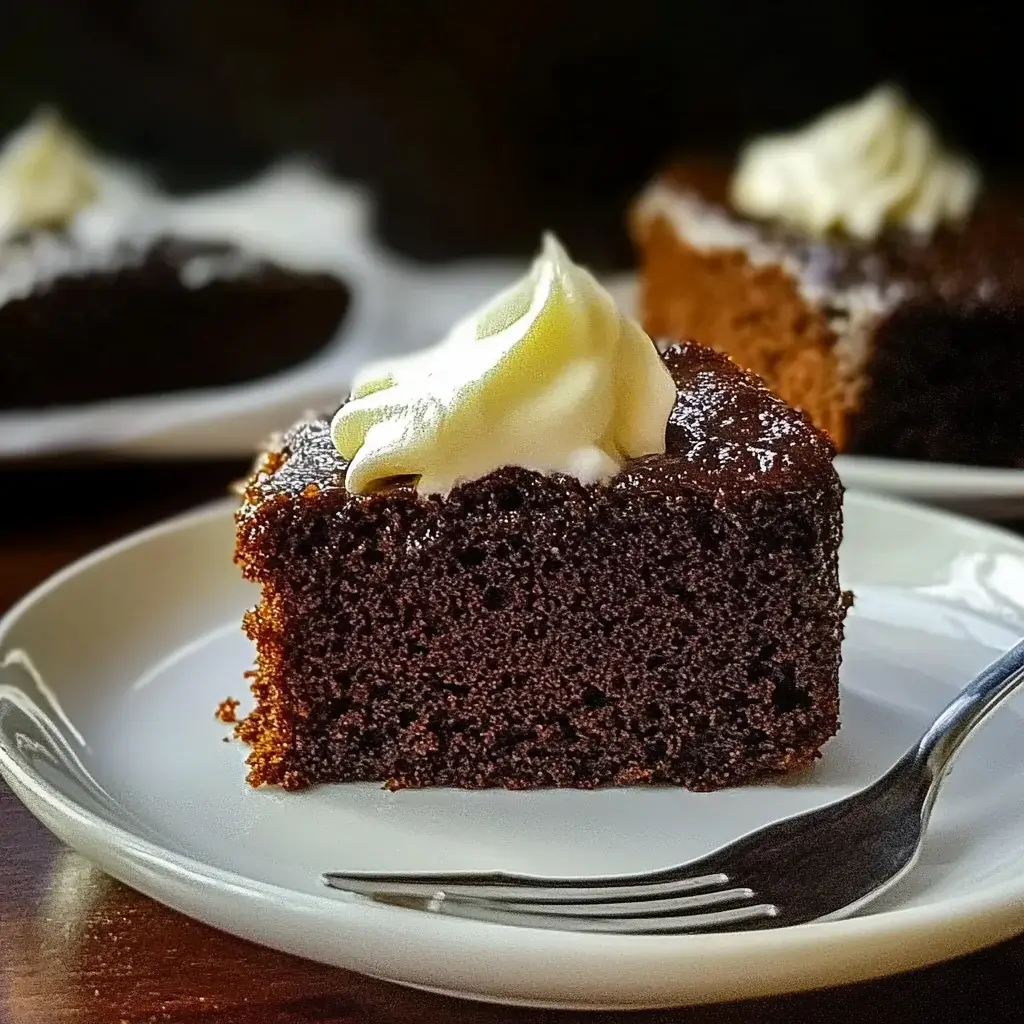
There’s a certain kind of magic that unfurls in the kitchen when the scent of warm spices and dark, rich molasses begins to fill the air. For me, this Old-Fashioned Molasses Cake isn’t just a dessert; it’s a time machine. One bite, and I’m transported back to my grandmother’s cozy kitchen, the late afternoon sun slanting through the window, and the comforting promise of a treat that was both deeply satisfying and surprisingly simple. I remember the first time I baked it myself, meticulously following her handwritten recipe card, the edges softened and stained with years of loving use. The trepidation I felt turned to pure joy as the cake rose perfectly, its top a beautiful, crackled landscape. When I finally served it to my own family, warm from the oven with a dollop of freshly whipped cream, the reaction was instantaneous – delighted silence, followed by enthusiastic murmurs of appreciation. This cake, with its tender crumb and complex, spicy-sweet flavor, has a way of making any day feel a little more special, a little more comforting. It’s a heritage recipe that deserves to be cherished and shared.
Why This Old-Fashioned Molasses Cake Deserves a Spot in Your Recipe Box
In a world filled with overly complicated desserts and fleeting food trends, there’s an undeniable charm to a classic like Molasses Cake. This particular recipe stands out for several reasons, making it a beloved favorite that you’ll return to time and again.
- Unforgettable Flavor Profile: This isn’t your average spice cake. The star, of course, is molasses, which imparts a deep, dark, slightly bittersweet complexity that is beautifully balanced by warm spices like ginger, cinnamon, and cloves. It’s a sophisticated yet approachable taste that lingers pleasantly.
- Incredibly Moist and Tender Crumb: Thanks to the molasses and often the inclusion of buttermilk or hot water/coffee, this cake boasts a wonderfully moist and tender texture that stays that way for days (if it lasts that long!). It’s satisfying without being heavy.
- Nostalgic Comfort: There’s something inherently comforting about the aroma and taste of molasses and spices. This cake evokes feelings of warmth, tradition, and simpler times, making it perfect for cozy evenings or family gatherings.
- Surprisingly Easy to Make: Despite its rich flavor and impressive texture, this cake is relatively straightforward to prepare. Many versions are “one-bowl” or require minimal fuss, making it accessible even for novice bakers.
- Versatile Serving Options: Enjoy it plain with a cup of coffee or tea, dust it with powdered sugar, top it with a simple lemon glaze, a dollop of whipped cream, a scoop of vanilla ice cream, or even a tangy cream cheese frosting. It adapts beautifully to any occasion.
- Keeps Well: This is one of those wonderful cakes that often tastes even better the day after it’s baked, as the flavors have more time to meld and deepen.
This Old-Fashioned Molasses Cake is more than just a sweet treat; it’s an experience, a taste of history, and a testament to the enduring appeal of simple, well-made food.
The Magic of Molasses: Understanding the Star Ingredient
Molasses is the heart and soul of this cake, responsible for its distinctive color, deep flavor, and moist texture. But not all molasses is created equal, and understanding its nuances can elevate your baking.
What is Molasses?
Molasses is a viscous, dark syrup that is a byproduct of the sugar-making process, specifically from refining sugarcane or sugar beets into sugar. The process involves crushing the cane or beets to extract the juice, then boiling the juice to crystallize the sugar. The syrup left over after sugar crystals are removed is molasses.
Types of Molasses Commonly Used in Baking:
- Unsulphured Molasses (Light or Dark/Robust):
- Light Molasses: This is from the first boiling of the sugar syrup. It’s the lightest in color, mildest in flavor, and sweetest. It’s often used when a less intense molasses flavor is desired.
- Dark or Robust Molasses: This comes from the second boiling. It’s darker, less sweet, and has a more pronounced, slightly more bitter flavor than light molasses. This is the most common type called for in gingerbread and molasses cake recipes, including this one, for its balanced flavor.
- “Unsulphured” means that sulphur dioxide was not used during the sugar extraction process (it’s sometimes used as a preservative if processing unripe sugarcane). Unsulphured molasses is generally preferred for its cleaner taste.
- Blackstrap Molasses:
- This is the syrup remaining after the third boiling of the sugar syrup. It’s very dark, thick, and has a strong, robust, and distinctly bitter flavor. It contains the lowest sugar content and the highest concentration of vitamins and minerals (like iron, calcium, and magnesium) of all molasses types.
- While some enjoy its intensity, blackstrap molasses can easily overpower other flavors in a cake and can lend a metallic or overly bitter taste. It’s generally not recommended as a direct substitute for dark/robust molasses in recipes like this one unless you are specifically aiming for that very strong, less sweet flavor profile. If you do use it, consider using half blackstrap and half dark molasses.
Why Molasses is Great in Cakes:
- Flavor: It provides a unique, rich, slightly tangy, and caramel-like sweetness with hints of smokiness.
- Moisture: Molasses is hygroscopic, meaning it attracts and holds onto water. This contributes significantly to the moistness of baked goods and helps them stay fresh longer.
- Color: It gives cakes a beautiful deep brown hue.
- Acidity: Molasses is acidic, which is why it’s often paired with baking soda in recipes. The reaction between the acidic molasses and alkaline baking soda produces carbon dioxide gas, which helps the cake rise and creates a tender crumb.
For this Old-Fashioned Molasses Cake, using a good quality dark or robust unsulphured molasses will give you the best balance of deep flavor, appropriate sweetness, and beautiful color.
Complete Ingredients for Old-Fashioned Molasses Cake
This recipe uses common pantry staples to create a wonderfully flavorful and moist cake.
- 2 1/2 cups (300g) all-purpose flour
- 1 1/2 teaspoons baking soda
- 1 teaspoon ground ginger
- 1 teaspoon ground cinnamon
- 1/2 teaspoon ground cloves
- 1/4 teaspoon ground nutmeg (optional, but recommended)
- 1/2 teaspoon salt
- 1/2 cup (113g) unsalted butter, softened to room temperature
- 1/2 cup (100g) granulated sugar
- 1/4 cup (50g) packed light or dark brown sugar
- 1 large egg, at room temperature
- 1 cup (240ml / 320g) unsulphured dark or robust molasses (not blackstrap)
- 1 cup (240ml) hot water or hot brewed coffee (see note)
- Optional for serving: Powdered sugar, whipped cream, lemon glaze, or cream cheese frosting.
A Note on Hot Liquid:
- Hot Water: Classic choice, allows the pure molasses and spice flavors to shine.
- Hot Brewed Coffee: Adds another layer of depth and complexity that complements the molasses beautifully without tasting overtly of coffee. Highly recommended if you enjoy richer flavors.
Equipment Needed:
- 9×13 inch baking pan
- Electric mixer (stand or handheld) or a whisk and strong arm
- Mixing bowls
- Spatula
- Measuring cups and spoons
Step-by-Step Instructions: Baking Your Molasses Masterpiece
Follow these instructions carefully for a perfect Old-Fashioned Molasses Cake.
- Preheat and Prepare Pan: Preheat your oven to 350°F (175°C). Grease and flour a 9×13 inch baking pan, or line it with parchment paper, leaving an overhang on two sides for easy removal.
- Whisk Dry Ingredients: In a medium bowl, whisk together the all-purpose flour, baking soda, ground ginger, ground cinnamon, ground cloves, nutmeg (if using), and salt. Set aside.
- Cream Butter and Sugars: In a large bowl, using an electric mixer (or by hand with a whisk), beat the softened unsalted butter, granulated sugar, and brown sugar together on medium speed until light and fluffy. This usually takes about 2-3 minutes. Scrape down the sides of the bowl as needed.
- Add Egg and Molasses: Add the room temperature egg and beat well until fully incorporated. Then, pour in the molasses and beat on low speed until just combined. The mixture might look a bit curdled or separated at this stage; this is normal. Scrape down the sides of the bowl.
- Alternate Dry and Wet Ingredients (or Combine All At Once):
- Traditional Method (Alternating): With the mixer on low speed, add about one-third of the dry ingredient mixture to the wet ingredients, mixing until just combined. Add half of the hot water (or hot coffee), mixing until just combined. Repeat with another third of the dry ingredients, the remaining hot liquid, and finally the last third of the dry ingredients. Mix only until the flour is no longer visible. Do not overmix.
- Simpler Method (for a slightly denser but still delicious cake): Some old recipes call for adding all the dry ingredients to the wet, mixing slightly, then streaming in the hot liquid. This can work, but for the best texture, the alternating method is preferred.
- Finish Batter: The batter will be quite thin and liquidy – this is characteristic of molasses cake and is perfectly fine. Use a spatula to give it a final gentle stir, ensuring everything is incorporated from the bottom of the bowl.
- Pour and Bake: Pour the batter evenly into the prepared 9×13 inch baking pan.
- Bake: Bake in the preheated oven for 30-35 minutes, or until a wooden skewer or toothpick inserted into the center of the cake comes out clean or with a few moist crumbs attached (not wet batter).
- Cool Cake: Let the cake cool in the pan on a wire rack for at least 15-20 minutes before slicing and serving warm. If you plan to frost it or use a glaze that needs to set, allow it to cool completely in the pan, or lift it out using the parchment paper overhangs and cool completely on the wire rack.
- Serve: Serve warm or at room temperature. Dust with powdered sugar, or top with your favorite glaze or frosting if desired.
Nutrition Facts
- Servings: This recipe makes approximately 12-15 servings, depending on how you slice the cake.
- Calories per serving (approximate): Around 250-300 calories per serving (for a 1/12th slice), without any frosting or toppings.
Disclaimer: Nutritional information is an estimate and can vary significantly based on specific ingredient brands, exact portion sizes, and any additions like frosting or toppings.
Preparation and Cook Time
Knowing the time involved helps you plan your baking session.
- Preparation Time: 15-20 minutes (measuring ingredients, mixing batter)
- Cook Time (Bake Time): 30-35 minutes
- Cooling Time: At least 15-20 minutes before serving warm; 1-2 hours for complete cooling if frosting.
- Total Active Time: Approximately 15-20 minutes
- Total Time (including baking and initial cooling): Approximately 1 hour to 1 hour 15 minutes (longer if cooling completely for frosting).
This cake comes together relatively quickly, making it a great option for a weeknight treat or a last-minute dessert.
How to Serve Your Delightful Molasses Cake
This Old-Fashioned Molasses Cake is wonderfully versatile. Here are some ideas to serve it:
- Simply Delicious (Plain):
- Warm: Serve slices warm from the oven. The aroma alone is irresistible.
- Room Temperature: It’s equally delicious once cooled to room temperature.
- Dusting of Powdered Sugar: A light sieve of powdered sugar over the top adds a touch of elegance and sweetness.
- With a Dollop of Cream:
- Freshly Whipped Cream: Lightly sweetened whipped cream is a classic pairing, providing a cool, creamy contrast to the warm, spiced cake.
- Clotted Cream or Devonshire Cream: For an extra rich, traditional experience.
- Vanilla Bean Ice Cream: A scoop of good quality vanilla ice cream melting into a warm slice of molasses cake is pure bliss. Ginger ice cream would also be fantastic.
- Glazes and Frostings:
- Simple Lemon Glaze: Whisk powdered sugar with a little fresh lemon juice and a touch of lemon zest until you reach a pourable consistency. Drizzle over the cooled cake. The tartness of the lemon beautifully complements the deep molasses flavor.
- Cream Cheese Frosting: A tangy cream cheese frosting is a popular and delicious choice for spice cakes, and it works wonderfully here.
- Brown Sugar Glaze: Melt butter with brown sugar and a splash of milk or cream, then drizzle over the cake.
- Orange Glaze: Similar to lemon glaze, but using orange juice and zest for a different citrus note.
- Accompaniments:
- Fresh Berries: A side of fresh raspberries or blackberries can add a lovely tart contrast.
- Poached Pears or Apples: Spiced poached fruit makes for an elegant dessert pairing, especially in the fall and winter.
- Caramel Sauce: A drizzle of warm caramel sauce takes the indulgence up a notch.
- Beverage Pairings:
- Hot Coffee or Tea: The classic companions.
- Milk: A cold glass of milk is perfect, especially for kids (and kids at heart).
- Mulled Cider or Spiced Apple Juice: Enhances the warm spice notes, particularly during colder months.
- Dessert Wine: A sweet Riesling or a tawny port could pair nicely.
No matter how you choose to serve it, this cake is sure to bring comfort and joy.
Additional Tips for Molasses Cake Success (5 Tips)
To ensure your Molasses Cake turns out perfectly every time, keep these five tips in mind:
- Measure Molasses Accurately (and Easily!): Molasses is thick and sticky, making it tricky to measure. To make it easier, lightly grease your measuring cup with cooking spray or a thin film of oil before pouring in the molasses. It will slide out much more cleanly, ensuring you get the correct amount in your batter.
- Don’t Overmix the Batter: Once you start adding the dry ingredients to the wet, mix only until just combined. Overmixing develops the gluten in the flour, which can lead to a tough or dense cake instead of a tender one. A few streaks of flour remaining before the final gentle fold is okay.
- Use Room Temperature Ingredients: For the butter and egg, having them at room temperature is key. Softened butter creams more effectively with the sugar, incorporating air that contributes to a lighter cake. Room temperature eggs emulsify better into the batter, creating a smoother, more uniform texture.
- Trust the Thin Batter Consistency: The batter for this molasses cake will be noticeably thinner than many other cake batters – almost like a thick pancake batter. Don’t be alarmed or tempted to add more flour. This high moisture content is what contributes to its incredibly moist crumb.
- Don’t Overbake: Overbaking is the quickest way to a dry cake. Start checking for doneness a few minutes before the recipe states. Insert a toothpick or wooden skewer into the center; it should come out clean or with a few moist crumbs attached. If it comes out with wet batter, it needs more time. As soon as it’s done, remove it from the oven to prevent it from drying out.
By following these tips, you’ll be well on your way to baking a truly exceptional Old-Fashioned Molasses Cake.
Frequently Asked Questions (FAQ) – Your Molasses Cake Curiosities Answered
Here are answers to some common questions about making this delightful cake:
Q1: Can I use blackstrap molasses instead of regular dark molasses?
- A: While you technically can, it’s generally not recommended as a direct 1:1 substitute in this recipe unless you are very familiar with and enjoy the intense, somewhat bitter flavor of blackstrap molasses. It will result in a much darker, less sweet, and more robustly flavored cake that might be overpowering for some. If you want to try it, consider using half blackstrap and half regular dark (unsulphured) molasses to start. For the classic old-fashioned flavor, stick to dark/robust unsulphured molasses.
Q2: My cake batter looks curdled after adding the molasses. Is that okay?
- A: Yes, this is perfectly normal and quite common when molasses is added to a creamed butter and egg mixture. Molasses is acidic and has a different density, which can cause the emulsion to temporarily break or appear curdled. Don’t worry! The batter will smooth out once the dry ingredients and hot liquid are incorporated.
Q3: Can I make this cake in a different pan, like a Bundt pan or round cake pans?
- A: Yes, with adjustments:
- Bundt Pan: This recipe should fit a 10-12 cup Bundt pan. Ensure the pan is very well greased and floured. Baking time will likely be longer, around 45-55 minutes. Start checking for doneness around the 40-minute mark.
- Round Cake Pans: You could divide the batter between two 8-inch or 9-inch round cake pans to make a layer cake. Baking time will be shorter, likely 25-30 minutes.
- Square Pan: An 8×8 or 9×9 inch square pan will result in a thicker cake, requiring a longer baking time, similar to a Bundt pan.
- Always adjust baking time based on the pan and check for doneness with a toothpick.
Q4: How should I store leftover molasses cake?
- A: Molasses cake stores very well, and its flavor often improves the next day!
- Store leftover cake in an airtight container at room temperature for up to 3-4 days.
- If you’ve frosted it with cream cheese frosting, it’s best to store it in an airtight container in the refrigerator.
- You can also freeze unfrosted molasses cake. Wrap it tightly in plastic wrap, then in aluminum foil or place it in a freezer-safe bag or container. It can be frozen for up to 2-3 months. Thaw at room temperature.
Q5: Can I add nuts or raisins to this molasses cake?
- A: Absolutely! Molasses cake is very accommodating to additions:
- Nuts: About 1/2 to 3/4 cup of chopped walnuts or pecans would be a delicious addition. Toss them with a tablespoon of the dry flour mixture before adding to the batter to prevent them from sinking.
- Raisins or Dried Cranberries: 1/2 to 3/4 cup of raisins, sultanas, or dried cranberries would also work well. You can plump them in a little hot water or rum for 10-15 minutes before draining and adding to the batter if desired.
- Candied Ginger: For an extra ginger kick, add 1/4 to 1/2 cup of finely chopped candied ginger.
- Fold in your chosen additions gently at the end, before pouring the batter into the pan.
This Old-Fashioned Molasses Cake is a timeless classic, a warm hug in dessert form. Its rich, spicy aroma and incredibly moist crumb make it a comforting treat that’s perfect for any occasion, or simply for brightening an ordinary day. Happy baking!
Print
Molasses Cake recipe
Ingredients
-
- 2 1/2 cups (300g) all-purpose flour
-
- 1 1/2 teaspoons baking soda
-
- 1 teaspoon ground ginger
-
- 1 teaspoon ground cinnamon
-
- 1/2 teaspoon ground cloves
-
- 1/4 teaspoon ground nutmeg (optional, but recommended)
-
- 1/2 teaspoon salt
-
- 1/2 cup (113g) unsalted butter, softened to room temperature
-
- 1/2 cup (100g) granulated sugar
-
- 1/4 cup (50g) packed light or dark brown sugar
-
- 1 large egg, at room temperature
-
- 1 cup (240ml / 320g) unsulphured dark or robust molasses (not blackstrap)
-
- 1 cup (240ml) hot water or hot brewed coffee (see note)
-
- Optional for serving: Powdered sugar, whipped cream, lemon glaze, or cream cheese frosting.
A Note on Hot Liquid:
-
- Hot Water: Classic choice, allows the pure molasses and spice flavors to shine.
-
- Hot Brewed Coffee: Adds another layer of depth and complexity that complements the molasses beautifully without tasting overtly of coffee. Highly recommended if you enjoy richer flavors.
Instructions
-
- Preheat and Prepare Pan: Preheat your oven to 350°F (175°C). Grease and flour a 9×13 inch baking pan, or line it with parchment paper, leaving an overhang on two sides for easy removal.
-
- Whisk Dry Ingredients: In a medium bowl, whisk together the all-purpose flour, baking soda, ground ginger, ground cinnamon, ground cloves, nutmeg (if using), and salt. Set aside.
-
- Cream Butter and Sugars: In a large bowl, using an electric mixer (or by hand with a whisk), beat the softened unsalted butter, granulated sugar, and brown sugar together on medium speed until light and fluffy. This usually takes about 2-3 minutes. Scrape down the sides of the bowl as needed.
-
- Add Egg and Molasses: Add the room temperature egg and beat well until fully incorporated. Then, pour in the molasses and beat on low speed until just combined. The mixture might look a bit curdled or separated at this stage; this is normal. Scrape down the sides of the bowl.
-
- Alternate Dry and Wet Ingredients (or Combine All At Once):
-
- Traditional Method (Alternating): With the mixer on low speed, add about one-third of the dry ingredient mixture to the wet ingredients, mixing until just combined. Add half of the hot water (or hot coffee), mixing until just combined. Repeat with another third of the dry ingredients, the remaining hot liquid, and finally the last third of the dry ingredients. Mix only until the flour is no longer visible. Do not overmix.
-
- Simpler Method (for a slightly denser but still delicious cake): Some old recipes call for adding all the dry ingredients to the wet, mixing slightly, then streaming in the hot liquid. This can work, but for the best texture, the alternating method is preferred.
-
- Alternate Dry and Wet Ingredients (or Combine All At Once):
-
- Finish Batter: The batter will be quite thin and liquidy – this is characteristic of molasses cake and is perfectly fine. Use a spatula to give it a final gentle stir, ensuring everything is incorporated from the bottom of the bowl.
-
- Pour and Bake: Pour the batter evenly into the prepared 9×13 inch baking pan.
-
- Bake: Bake in the preheated oven for 30-35 minutes, or until a wooden skewer or toothpick inserted into the center of the cake comes out clean or with a few moist crumbs attached (not wet batter).
-
- Cool Cake: Let the cake cool in the pan on a wire rack for at least 15-20 minutes before slicing and serving warm. If you plan to frost it or use a glaze that needs to set, allow it to cool completely in the pan, or lift it out using the parchment paper overhangs and cool completely on the wire rack.
-
- Serve: Serve warm or at room temperature. Dust with powdered sugar, or top with your favorite glaze or frosting if desired.
Nutrition
- Serving Size: one normal portion
- Calories: 250-300