
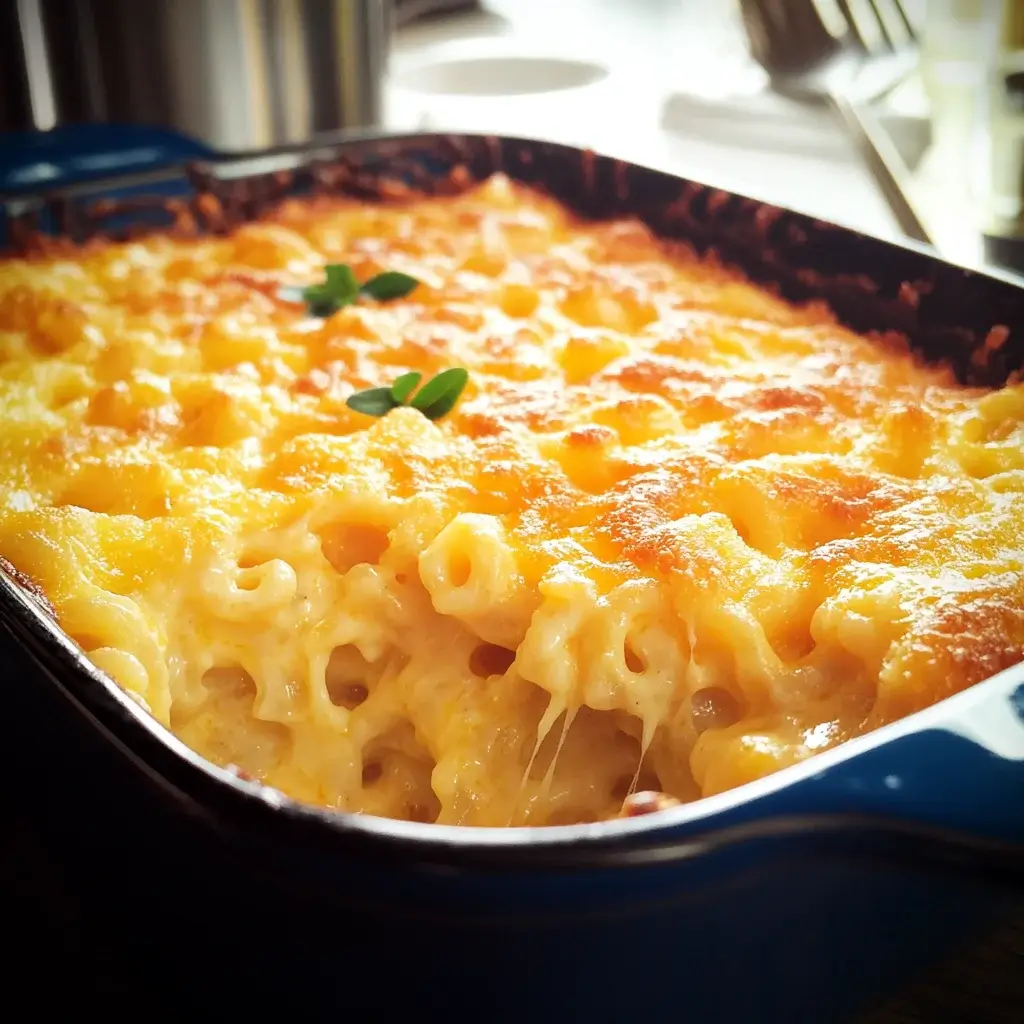
There are macaroni and cheese recipes, and then there is Patti LaBelle’s Macaroni and Cheese. If you know, you know. This isn’t just a side dish; it’s an event, a culinary statement, a benchmark against which all other baked macaroni and cheese dishes are often judged. My first encounter with this legend wasn’t actually eating it, but hearing people talk about it with a reverence usually reserved for national treasures. The descriptions were always the same: unbelievably cheesy, incredibly rich, decadent, the kind of dish that makes you close your eyes in pure bliss. When I finally decided to tackle the recipe myself, armed with multiple blocks of cheese and a healthy dose of awe, I understood. The process felt different – layering cheeses, incorporating eggs, the sheer amount of dairy – it signaled this was no ordinary mac. The aroma as it baked was pure, unadulterated comfort. And the first bite? It lived up to every bit of the hype. Creamy, custardy, intensely cheesy with distinct notes from the different varieties, held together perfectly… it was magnificent. My family, usually content with simpler versions, were floored. Requests for “Patti’s Mac” now come frequently, especially for holidays and special occasions. It’s more than just food; it’s a taste of soulful indulgence, a recipe that feels both generous and celebratory, and making it feels like participating in a beloved tradition.
Gather Your Ingredients: Building the Legend
Patti LaBelle’s Macaroni and Cheese recipe is renowned for its richness and unapologetic use of multiple cheeses and dairy. Precision isn’t necessarily the key here as much as quality ingredients and embracing the decadence. This recipe typically fills a standard 9×13 inch baking dish, serving around 8-10 people as a generous side dish.
The Foundation:
- Elbow Macaroni: 1 lb (16 oz or about 4 cups dry) standard elbow macaroni. Cooked according to package directions, but crucially, cook it al dente (slightly firm to the bite).
- Butter: 1/2 cup (1 stick or 113g) unsalted butter, plus more for greasing the dish. Melted butter is often incorporated, and pats are used for layering.
The Cheese Extravaganza (The Heart of the Recipe):
This is where variations exist, but the key is multiple types and lots of it. Aim for approximately 4 cups total shredded cheese, plus Velveeta.
- Sharp Cheddar Cheese: 1 cup (4 oz) shredded. Provides a classic, tangy mac and cheese flavor base.
- Mild Cheddar Cheese: 1 cup (4 oz) shredded. Offers meltability and milder cheesy flavor.
- Monterey Jack Cheese: 1/2 cup (2 oz) shredded. Known for its excellent melting properties and mild taste.
- Muenster Cheese: 1/2 cup (2 oz) shredded. Creamy, melts beautifully, and adds a distinct but gentle flavor. (Often cited as a key Patti ingredient).
- Velveeta Cheese (Optional but common for ultra-creaminess): 1/2 lb (8 oz) Velveeta, cut into small cubes. While debated by purists, Velveeta ensures a smooth, creamy, melt-y consistency that resists breaking or graininess. Use it if you prioritize ultimate creaminess. If omitting, consider increasing one of the other melting cheeses like Muenster or Monterey Jack.
Note: Always shred your own cheese from blocks if possible! Pre-shredded cheese contains anti-caking agents that can inhibit smooth melting.
The Creamy Binder & Flavor:
- Half-and-Half: 2 cups (16 fl oz). Provides richness without being quite as heavy as pure heavy cream. Some variations might use evaporated milk or a mix.
- Large Eggs: 2 large eggs, lightly beaten. This is key to the baked, slightly custardy texture that sets Patti’s recipe apart from roux-based sauces. Ensure they are well whisked.
- Seasoned Salt (like Lawry’s): 1 teaspoon (or to taste). A signature seasoning often associated with soulful cooking.
- Salt: 1/2 teaspoon kosher salt (adjust based on cheese saltiness and seasoned salt). Remember pasta water should also be salted.
- Black Pepper: 1/2 teaspoon freshly ground black pepper (or to taste).
Equipment Needed:
- Large pot for cooking macaroni
- Colander
- Large mixing bowl
- Whisk
- Rubber spatula or large spoon
- Cheese grater (if shredding your own)
- 9×13 inch baking dish (glass or ceramic recommended)
Having all cheeses shredded, butter melted (if required by your specific method interpretation), eggs beaten, and macaroni cooked al dente before starting assembly will make the process smoother.
Step-by-Step Instructions: Assembling Patti’s Masterpiece
Making Patti LaBelle’s Macaroni and Cheese involves a layering technique rather than creating a traditional béchamel sauce. Follow these steps closely for that signature rich and cheesy result.
Step 1: Preparation
- Preheat Oven: Position an oven rack in the middle of the oven and preheat to 350°F (175°C).
- Cook Macaroni: Bring a large pot of generously salted water to a rolling boil. Add the elbow macaroni and cook according to package directions until al dente (usually 1-2 minutes less than the suggested time). It should still have a firm bite, as it will continue cooking in the oven. Undercooking slightly is crucial to prevent mushy mac and cheese.
- Drain Pasta: Drain the cooked macaroni thoroughly in a colander. Do not rinse it. Rinsing removes starches that help the cheese mixture adhere. You can toss the hot drained pasta with a tablespoon of butter to prevent sticking while you prepare the cheese mixture.
- Prepare Baking Dish: Generously grease a 9×13 inch baking dish with butter.
- Prepare Cheeses: If you haven’t already, shred all the block cheeses (sharp cheddar, mild cheddar, Monterey Jack, Muenster). Cut the Velveeta (if using) into small (about ½-inch) cubes. Combine the shredded cheeses in a large bowl and toss lightly to mix. Reserve about 1/2 to 1 cup of the shredded cheese mixture for the topping.
Step 2: Create the Cheese & Dairy Mixture
- Combine Wet Ingredients: In a separate medium-large bowl, whisk together the half-and-half and the lightly beaten eggs until well combined.
- Season: Whisk in the seasoned salt, kosher salt, and freshly ground black pepper. Taste cautiously (keeping raw egg in mind) or rely on measurements, adjusting later if needed (though adjusting seasoning after baking is difficult). Remember the cheeses will add saltiness.
- Incorporate Velveeta (If Using): If using Velveeta, you can either layer the cubes directly with the pasta and shredded cheese OR gently warm the half-and-half mixture slightly (do not boil!) and whisk in the Velveeta cubes until mostly melted and smooth before combining with pasta. Layering directly is simpler and often cited. Some interpretations also involve melting the stick of butter and whisking it into the half-and-half mixture here.
Step 3: Layer the Casserole (The Patti Method)
This layering technique is characteristic of her recipe.
- First Layer: Spread about one-third of the cooked macaroni evenly in the bottom of the prepared baking dish.
- Cheese Layer 1: Sprinkle about one-third of the main shredded cheese mixture (the portion not reserved for the topping) over the macaroni. If layering Velveeta cubes directly, dot about one-third of them over this layer as well. Dot with small pats (about 1-2 tablespoons worth) of the butter stick.
- Macaroni Layer 2: Add another third of the macaroni over the cheese layer.
- Cheese Layer 2: Sprinkle another third of the main shredded cheese mixture over the macaroni. Add another third of the Velveeta cubes (if using) and dot with another 1-2 tablespoons of butter pats.
- Macaroni Layer 3 (Final): Spread the remaining macaroni evenly on top.
- Pour Dairy Mixture: Slowly and evenly pour the seasoned half-and-half and egg mixture all over the layered macaroni and cheese, ensuring it seeps down through the layers.
- Final Cheese Layer: Sprinkle the reserved 1/2 to 1 cup of shredded cheese mixture evenly over the top. Dot the top with the remaining pats of butter (about 1-2 tablespoons).
Step 4: Bake to Golden Perfection
- Bake: Carefully place the baking dish in the preheated 350°F (175°C) oven.
- Baking Time: Bake for 30-45 minutes. The exact time can vary depending on your oven and the depth of your dish.
- Check for Doneness: The macaroni and cheese is done when:
- The top is beautifully golden brown and slightly crispy around the edges.
- The cheese is melted and bubbly throughout.
- The center appears mostly set when gently jiggled (thanks to the eggs). It shouldn’t be soupy, but it also shouldn’t be dry.
Step 5: REST! (Crucial for Texture)
- Remove and Rest: Carefully remove the macaroni and cheese from the oven and place the baking dish on a wire rack.
- Mandatory Rest Period: Let the macaroni and cheese rest for at least 10-15 minutes before serving. This is absolutely critical. The resting period allows the cheesy, eggy custard to fully set, making it sliceable and preventing it from being a runny mess. It also allows the flavors to meld further. Rushing this step will compromise the signature texture.
Step 6: Serve
- Slice or Scoop: After resting, slice the macaroni and cheese into squares or use a large spoon to scoop out generous portions.
- Serve Hot: Serve immediately and enjoy the legendary richness!
This process, especially the layering and resting, contributes to the unique and beloved texture of Patti LaBelle’s famous dish.
Nutritional Snapshot: Understanding This Indulgent Dish (Approximate)
Patti LaBelle’s Macaroni and Cheese is celebrated for its richness and flavor, not its health benefits. It’s a true indulgence. Nutritional values are highly approximate due to variations in cheese brands, potential use of Velveeta, and exact serving sizes. This estimate assumes 10 servings from a 9×13 inch pan.
- Servings: 8-10
- Serving Size: 1/10th to 1/8th of the casserole
Approximate Nutrition Per Serving (assuming 1/10th of casserole):
- Calories: 500 – 700+ kcal (Highly variable)
- Protein: 20 – 30 g (Primarily from cheese and eggs)
- Fat: 30 – 50+ g (Significant contribution from cheese, butter, half-and-half, eggs)
- Saturated Fat: 20 – 35+ g (Very high due to dairy and cheese)
- Carbohydrates: 30 – 40 g (Primarily from macaroni)
- Fiber: 1 – 2 g
- Sugars: 3 – 6 g (Mainly naturally occurring lactose from dairy)
- Sodium: 800 – 1200+ mg (Highly variable based on cheeses, seasoned salt, Velveeta if used, and salt added)
Key Considerations:
- Cheese Choices: Different cheeses have varying fat and sodium contents. Velveeta adds significant sodium.
- Dairy: Using heavy cream instead of half-and-half would increase fat and calories further.
- Serving Size: This is often served as a side, but the portions can be substantial. A smaller portion will naturally have lower nutritional values.
- Butter: The amount of butter adds considerably to the fat content.
Disclaimer: These figures are broad estimates for informational purposes only. This dish is exceptionally high in calories, fat (especially saturated fat), and sodium. It’s a special occasion treat meant to be enjoyed indulgently. For precise nutritional data, use a recipe analysis tool with your specific ingredients and measurements.
Time Commitment: Planning Your Patti LaBelle Mac Experience
This isn’t your quick, stovetop mac and cheese. Baking and, crucially, resting add to the overall time. Plan accordingly for this culinary event.
- Preparation Time (Prep): 25 – 35 minutes
- Includes preheating oven, boiling water, cooking and draining pasta, greasing dish, shredding cheeses, whisking dairy/egg mixture. Shredding cheese takes the most active time here if doing it by hand.
- Assembly Time: 10 – 15 minutes
- Layering the macaroni, cheese mixture, and pouring the liquid.
- Cooking Time (Bake): 30 – 45 minutes
- Actual time in the oven until golden brown and set.
- Resting Time (Essential!): 10 – 15 minutes (minimum)
- Time after baking for the dish to set before slicing and serving.
- Total Time: Approximately 1 hour 15 minutes – 1 hour 50 minutes
While the hands-on time isn’t excessive, the baking and mandatory resting period mean you need to allocate over an hour, and closer to two hours, from starting the process to serving the perfectly set mac and cheese.
How to Serve: Presenting a Soul Food Legend
Patti LaBelle’s Macaroni and Cheese is a star attraction, often served as a substantial side dish at holiday meals, potlucks, barbecues, and special family dinners. Here’s how to serve it best:
Presentation:
- Family Style: Bring the entire beautiful, golden-brown baking dish to the table (on a heatproof trivet) and let guests serve themselves generous squares or scoops.
- Individual Ramekins: For a slightly more elegant presentation (or portion control), you can bake the mac and cheese in individual oven-safe ramekins. Adjust baking time accordingly (likely shorter, around 20-25 minutes).
- Buffet Star: It holds up reasonably well on a buffet line after its initial rest, staying warm and cohesive.
Perfect Pairings (What Goes With It):
This rich dish pairs best with main courses and sides that offer some contrast, either through acidity, freshness, or a different flavor profile.
- Soul Food Classics: Fried chicken, collard greens (with vinegar!), candied yams, black-eyed peas, cornbread. This is its natural habitat!
- Barbecue: Pulled pork, smoked brisket, BBQ ribs. The tangy BBQ sauce complements the rich cheese.
- Roasted Meats: Simple roasted chicken or turkey, glazed ham.
- Simple Green Salad: A must! A crisp salad with a tangy vinaigrette (lemon or red wine) helps cut through the richness between bites.
- Steamed or Roasted Green Vegetables: Simple green beans, broccoli, or asparagus provide a fresh counterpoint.
Occasions:
- Holidays: Thanksgiving, Christmas, Easter – it’s a staple on many holiday tables.
- Potlucks & Cookouts: Always a crowd-pleaser and travels relatively well once set.
- Special Family Dinners: When you want to serve something truly comforting and indulgent.
- Comfort Food Cravings: Anytime you need the ultimate cheesy hug.
Serve it hot (after resting!), embrace the richness, and watch it disappear! A simple garnish of fresh parsley is unnecessary but adds a touch of color if desired.
Additional Tips for Achieving Patti-Level Perfection
Making this iconic dish successfully involves embracing its unique qualities. Here are tips to help you nail that legendary texture and flavor:
- Don’t Overcook the Pasta (Seriously!): This is perhaps the most critical step after cheese selection. Cook the elbow macaroni until it is truly al dente – meaning it still has a noticeable firmness when you bite into it (often 1-2 minutes less than the low end of the package instructions). The pasta will continue to absorb liquid and cook further in the rich dairy mixture during baking. Starting with fully cooked or soft pasta guarantees a mushy final result.
- Embrace the Cheese Variety & Quality: The blend of multiple cheeses is key to the complex flavor profile. Don’t just use all sharp cheddar. The Muenster and Monterey Jack bring creaminess and superior meltability, while the cheddars provide the classic tangy backbone. Always shred your own cheese from blocks. Pre-shredded cheeses contain cellulose and other anti-caking agents that prevent them from melting as smoothly and can lead to a slightly gritty texture. The quality of your cheese directly impacts the final taste.
- Room Temperature Dairy & Eggs: While not always explicitly stated, bringing your half-and-half and eggs to room temperature (or at least taking the chill off) before whisking them together can help them incorporate more smoothly and potentially contribute to a more even custard set. Cold ingredients going into a hot oven can sometimes affect texture.
- Resist the Urge to Stir (Layering is Key): Unlike stovetop mac or recipes starting with a roux, Patti’s method relies on distinct layers. Don’t mix everything together in one bowl before pouring it into the dish. Follow the layering instructions (pasta, cheese/butter, pasta, cheese/butter, etc.) before pouring the liquid mixture over the top. This allows the cheesy custard to form pockets and distribute throughout during baking.
- Baking & Resting are Non-Negotiable:
- Don’t Overbake: Bake only until the top is golden brown and the center is mostly set (it should still have a slight wobble). Overbaking will lead to a dry, curdled texture as the eggs overcook. Keep a close eye on it during the last 10-15 minutes.
- Mandatory Rest: The 10-15 minute rest after baking is absolutely crucial. This allows the internal temperature to equalize and the egg-based custard to finish setting properly. Cutting into it immediately will result in a runny, soupy texture. Patience here yields the sliceable, cohesive, yet creamy result Patti’s mac is famous for.
By focusing on these specific techniques – particularly the pasta’s initial cook, the cheese quality, the layering method, and the crucial resting period – you’ll be well on your way to replicating the magic of Patti LaBelle’s legendary Macaroni and Cheese.
Frequently Asked Questions (FAQ) About Patti LaBelle’s Macaroni and Cheese
This iconic recipe often generates questions due to its unique characteristics. Here are answers to some common ones:
1. Why use so many different types of cheese? Can I just use cheddar?
- Answer: The blend of cheeses is fundamental to the recipe’s complex flavor and texture. While you could technically use only cheddar, it wouldn’t be Patti LaBelle’s Mac and Cheese. Each cheese contributes something:
- Sharp Cheddar: Provides the classic tangy “mac and cheese” flavor base.
- Mild Cheddar: Adds more cheesy flavor without extra sharpness, melts well.
- Monterey Jack: Very mild flavor but melts exceptionally well, contributing to creaminess.
- Muenster: Melts beautifully, adds a distinct creamy, slightly tangy flavor often associated with her recipe.
- Velveeta (Optional): Guarantees ultra-smooth, non-greasy meltiness and prevents the sauce from “breaking.”
Using only cheddar would result in a different flavor profile and potentially a less creamy, more greasy texture depending on the cheddar’s age and quality. The blend is key!
2. There’s no flour or roux? Why eggs and half-and-half?
- Answer: This is a key distinction of Patti LaBelle’s style (and many Southern baked mac and cheese recipes). Instead of creating a traditional béchamel (roux-thickened milk sauce), this recipe relies on eggs and rich dairy (half-and-half) to create a baked custard that binds the pasta and cheese. The eggs coagulate during baking, setting the mixture into a sliceable, cohesive casserole with a rich, creamy, slightly custardy texture. This is fundamentally different from stovetop mac or Northern-style baked mac starting with a flour-based sauce.
3. Can I make Patti LaBelle’s Macaroni and Cheese ahead of time?
- Answer: Yes, but with considerations for texture.
- Best Option (Assemble Ahead): Assemble the entire casserole as directed but do not bake. Cover tightly with foil and refrigerate for up to 24 hours. When ready to bake, let it sit at room temperature for about 30 minutes, then bake as directed, potentially adding 10-15 minutes to the baking time since it’s starting cold.
- Bake Ahead & Reheat: You can bake it completely, cool, cover, and refrigerate. Reheating can be tricky, as the custard texture can change. The best way to reheat is covered with foil in a 300°F-325°F (150°C-160°C) oven until heated through (this might take 20-30 minutes or more). Avoid microwaving if possible, as it can make it rubbery or oily. It won’t be quite the same as freshly baked, but it’s doable.
4. Can I make this recipe lighter or healthier?
- Answer: Honestly, significantly lightening this recipe changes its fundamental character. It is inherently rich and indulgent. Minor tweaks could include:
- Using slightly less cheese (though this impacts flavor and texture).
- Using 2% milk instead of half-and-half (will be less rich and creamy).
- Using slightly less butter.
- Omitting the Velveeta.
However, drastically reducing fat and calories (e.g., using low-fat cheese, skim milk) would result in a very different, likely less satisfying dish that wouldn’t truly be “Patti LaBelle’s Mac and Cheese.” It’s best enjoyed as the special occasion treat it is.
5. Is Velveeta really necessary?
- Answer: It’s not strictly necessary, but it’s commonly included in many popular versions of her recipe and contributes significantly to the ultra-creamy, smooth, guaranteed meltiness. It acts as an emulsifier and stabilizer. If you omit it, ensure you are using excellent melting cheeses like Muenster and Monterey Jack, and shred them yourself. You might slightly increase the quantity of those melting cheeses to compensate. The result without Velveeta might have a slightly different (perhaps more traditionally “cheesy” but potentially less smooth) texture, which many people still love. It comes down to personal preference regarding processed cheese versus guaranteed creaminess.
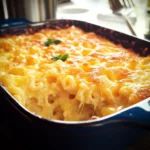
Patti LaBelle’s Macaroni and Cheese Recipe
Ingredients
- Elbow Macaroni: 1 lb (16 oz or about 4 cups dry) standard elbow macaroni. Cooked according to package directions, but crucially, cook it al dente (slightly firm to the bite).
- Butter: 1/2 cup (1 stick or 113g) unsalted butter, plus more for greasing the dish. Melted butter is often incorporated, and pats are used for layering.
The Cheese Extravaganza (The Heart of the Recipe):
This is where variations exist, but the key is multiple types and lots of it. Aim for approximately 4 cups total shredded cheese, plus Velveeta.
- Sharp Cheddar Cheese: 1 cup (4 oz) shredded. Provides a classic, tangy mac and cheese flavor base.
- Mild Cheddar Cheese: 1 cup (4 oz) shredded. Offers meltability and milder cheesy flavor.
- Monterey Jack Cheese: 1/2 cup (2 oz) shredded. Known for its excellent melting properties and mild taste.
- Muenster Cheese: 1/2 cup (2 oz) shredded. Creamy, melts beautifully, and adds a distinct but gentle flavor. (Often cited as a key Patti ingredient).
- Velveeta Cheese (Optional but common for ultra-creaminess): 1/2 lb (8 oz) Velveeta, cut into small cubes. While debated by purists, Velveeta ensures a smooth, creamy, melt-y consistency that resists breaking or graininess. Use it if you prioritize ultimate creaminess. If omitting, consider increasing one of the other melting cheeses like Muenster or Monterey Jack.
Note: Always shred your own cheese from blocks if possible! Pre-shredded cheese contains anti-caking agents that can inhibit smooth melting.
The Creamy Binder & Flavor:
- Half-and-Half: 2 cups (16 fl oz). Provides richness without being quite as heavy as pure heavy cream. Some variations might use evaporated milk or a mix.
- Large Eggs: 2 large eggs, lightly beaten. This is key to the baked, slightly custardy texture that sets Patti’s recipe apart from roux-based sauces. Ensure they are well whisked.
- Seasoned Salt (like Lawry’s): 1 teaspoon (or to taste). A signature seasoning often associated with soulful cooking.
- Salt: 1/2 teaspoon kosher salt (adjust based on cheese saltiness and seasoned salt). Remember pasta water should also be salted.
- Black Pepper: 1/2 teaspoon freshly ground black pepper (or to taste).
Equipment Needed:
- Large pot for cooking macaroni
- Colander
- Large mixing bowl
- Whisk
- Rubber spatula or large spoon
- Cheese grater (if shredding your own)
- 9x13 inch baking dish (glass or ceramic recommended)
Instructions
Step 1: Preparation
- Preheat Oven: Position an oven rack in the middle of the oven and preheat to 350°F (175°C).
- Cook Macaroni: Bring a large pot of generously salted water to a rolling boil. Add the elbow macaroni and cook according to package directions until al dente (usually 1-2 minutes less than the suggested time). It should still have a firm bite, as it will continue cooking in the oven. Undercooking slightly is crucial to prevent mushy mac and cheese.
- Drain Pasta: Drain the cooked macaroni thoroughly in a colander. Do not rinse it. Rinsing removes starches that help the cheese mixture adhere. You can toss the hot drained pasta with a tablespoon of butter to prevent sticking while you prepare the cheese mixture.
- Prepare Baking Dish: Generously grease a 9×13 inch baking dish with butter.
- Prepare Cheeses: If you haven’t already, shred all the block cheeses (sharp cheddar, mild cheddar, Monterey Jack, Muenster). Cut the Velveeta (if using) into small (about ½-inch) cubes. Combine the shredded cheeses in a large bowl and toss lightly to mix. Reserve about 1/2 to 1 cup of the shredded cheese mixture for the topping.
Step 2: Create the Cheese & Dairy Mixture
- Combine Wet Ingredients: In a separate medium-large bowl, whisk together the half-and-half and the lightly beaten eggs until well combined.
- Season: Whisk in the seasoned salt, kosher salt, and freshly ground black pepper. Taste cautiously (keeping raw egg in mind) or rely on measurements, adjusting later if needed (though adjusting seasoning after baking is difficult). Remember the cheeses will add saltiness.
- Incorporate Velveeta (If Using): If using Velveeta, you can either layer the cubes directly with the pasta and shredded cheese OR gently warm the half-and-half mixture slightly (do not boil!) and whisk in the Velveeta cubes until mostly melted and smooth before combining with pasta. Layering directly is simpler and often cited. Some interpretations also involve melting the stick of butter and whisking it into the half-and-half mixture here.
Step 3: Layer the Casserole (The Patti Method)
This layering technique is characteristic of her recipe.
- First Layer: Spread about one-third of the cooked macaroni evenly in the bottom of the prepared baking dish.
- Cheese Layer 1: Sprinkle about one-third of the main shredded cheese mixture (the portion not reserved for the topping) over the macaroni. If layering Velveeta cubes directly, dot about one-third of them over this layer as well. Dot with small pats (about 1-2 tablespoons worth) of the butter stick.
- Macaroni Layer 2: Add another third of the macaroni over the cheese layer.
- Cheese Layer 2: Sprinkle another third of the main shredded cheese mixture over the macaroni. Add another third of the Velveeta cubes (if using) and dot with another 1-2 tablespoons of butter pats.
- Macaroni Layer 3 (Final): Spread the remaining macaroni evenly on top.
- Pour Dairy Mixture: Slowly and evenly pour the seasoned half-and-half and egg mixture all over the layered macaroni and cheese, ensuring it seeps down through the layers.
- Final Cheese Layer: Sprinkle the reserved 1/2 to 1 cup of shredded cheese mixture evenly over the top. Dot the top with the remaining pats of butter (about 1-2 tablespoons).
Step 4: Bake to Golden Perfection
- Bake: Carefully place the baking dish in the preheated 350°F (175°C) oven.
- Baking Time: Bake for 30-45 minutes. The exact time can vary depending on your oven and the depth of your dish.
- Check for Doneness: The macaroni and cheese is done when:
- The top is beautifully golden brown and slightly crispy around the edges.
- The cheese is melted and bubbly throughout.
- The center appears mostly set when gently jiggled (thanks to the eggs). It shouldn’t be soupy, but it also shouldn’t be dry.
Step 5: REST! (Crucial for Texture)
- Remove and Rest: Carefully remove the macaroni and cheese from the oven and place the baking dish on a wire rack.
- Mandatory Rest Period: Let the macaroni and cheese rest for at least 10-15 minutes before serving. This is absolutely critical. The resting period allows the cheesy, eggy custard to fully set, making it sliceable and preventing it from being a runny mess. It also allows the flavors to meld further. Rushing this step will compromise the signature texture.
Step 6: Serve
- Slice or Scoop: After resting, slice the macaroni and cheese into squares or use a large spoon to scoop out generous portions.
- Serve Hot: Serve immediately and enjoy the legendary richness!
Nutrition
- Serving Size: one normal portion
- Calories: 500 – 700+ kcal
- Sugar: 3 – 6 g
- Sodium: 800 – 1200+ mg
- Fat: 30 – 50+ g
- Carbohydrates: 30 – 40 g
- Fiber: 1 – 2 g
- Protein: 20 – 30 g