
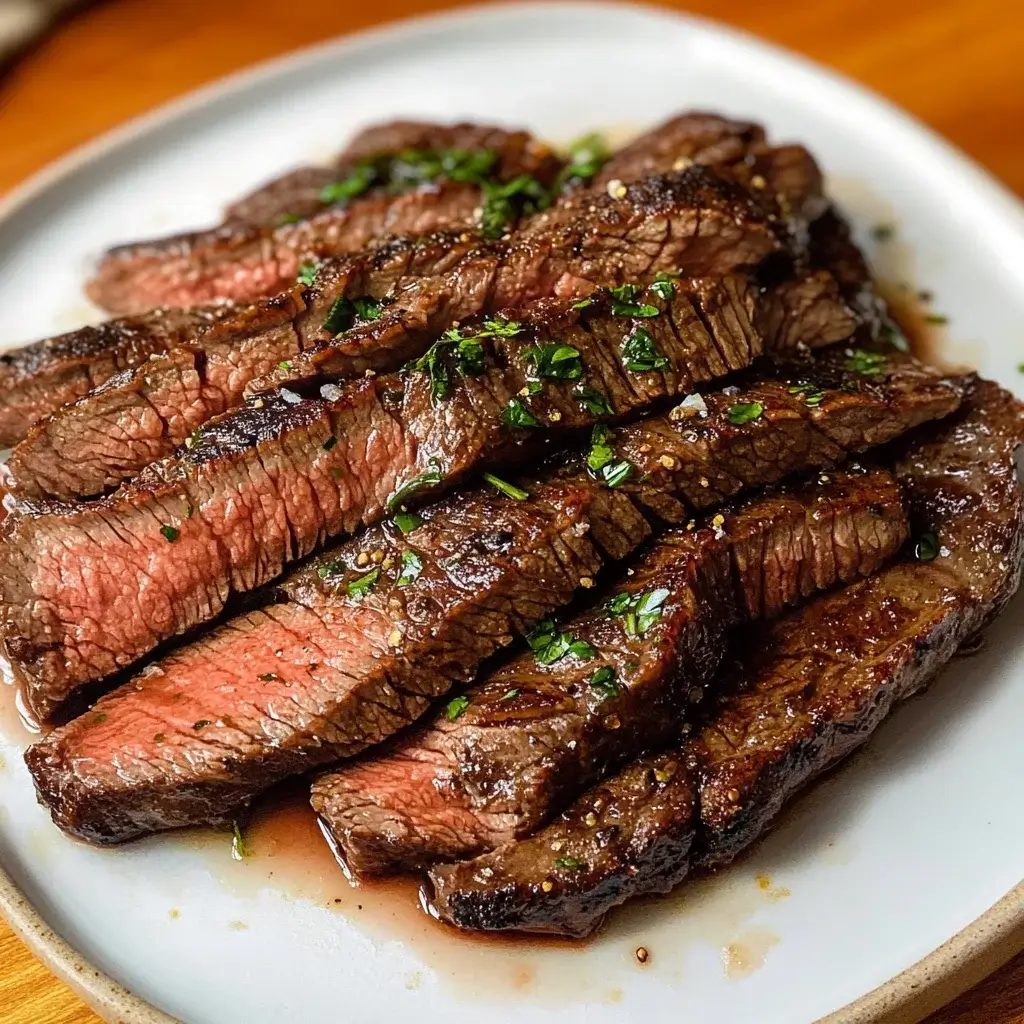
There’s a certain primal satisfaction that comes from a perfectly cooked steak, and for a long time, my go-to cuts were the usual suspects: ribeye, New York strip, filet mignon. Then, I discovered the magic of skirt steak. Initially, I was a bit intimidated by its long, thin appearance and its reputation for toughness if not handled correctly. But the promise of its intense, beefy flavor was too enticing to ignore. My first attempt, a simple marinade followed by a quick, fiery sear on the grill, was a revelation. The steak was incredibly flavorful, with a satisfying chew that wasn’t tough at all, thanks to slicing it properly against the grain. My family, who are discerning steak lovers, were instantly smitten. The robust, almost mineral-rich taste stood up beautifully to bold marinades and chimichurri sauce. Now, skirt steak is a regular star in our grilling rotation, perfect for tacos, fajitas, steak salads, or simply enjoyed on its own. It’s a testament to the fact that some of the most flavorful cuts aren’t always the most expensive or conventionally “prime.”
Why Skirt Steak Deserves a Prime Spot on Your Menu
Before we delve into the art of cooking this incredible cut, let’s explore why skirt steak is a true champion in the world of beef, beloved by chefs and home cooks alike for its unique qualities.
- Intense, Beefy Flavor: This is skirt steak’s superpower. Due to its location and muscle structure, it boasts a remarkably rich, deeply beefy, and almost buttery flavor that many consider superior to leaner, more tender cuts.
- Perfect for Marinades: Skirt steak has a coarse, open grain structure with loose muscle fibers, which makes it exceptionally receptive to marinades. It readily soaks up flavors, allowing you to impart a wide array of taste profiles, from zesty citrus to savory soy-ginger.
- Quick Cooking Time: Being a relatively thin cut, skirt steak cooks very quickly, usually in just a few minutes per side over high heat. This makes it ideal for weeknight dinners or when you want a delicious steak without a long wait.
- Versatility in Dishes: Skirt steak is incredibly versatile. It’s the star in classic dishes like fajitas and carne asada, fantastic in steak tacos, wonderful in steak salads, perfect for stir-fries when thinly sliced, and delicious simply grilled and served on its own.
- Satisfying Texture (When Cooked & Sliced Correctly): While it can be tough if mishandled, when cooked to medium-rare or medium and, crucially, sliced thinly against the grain, skirt steak offers a delightful, pleasantly chewy texture that many find very appealing.
- Relatively Affordable: Compared to premium cuts like filet mignon or ribeye, skirt steak is often more budget-friendly, offering exceptional flavor bang for your buck.
- Grill and Pan-Sear Champion: It thrives under high, direct heat, developing a fantastic char and crust whether cooked on a grill or in a screaming-hot cast-iron skillet.
- Great for Feeding a Crowd: Its long shape makes it easy to cook a larger piece and then slice to serve multiple people.
Skirt steak isn’t just another cut of beef; it’s a flavor powerhouse that, when understood and prepared with care, can deliver a truly memorable and satisfying culinary experience.
Understanding Skirt Steak: Anatomy of a Flavor Bomb
To truly appreciate and master skirt steak, it helps to understand what it is and where it comes from on the cow. This knowledge informs how to best select, prepare, and cook it.
- What is Skirt Steak?
- Skirt steak is a long, flat, and relatively thin cut of beef prized for its intense flavor. It’s a muscle that comes from the diaphragm of the cow. The diaphragm is a hardworking muscle, which contributes to its rich flavor but also its coarser texture and more pronounced muscle fibers.
- Two Main Types of Skirt Steak:
- Outside Skirt Steak: This comes from the plate section, specifically the outside of the chest wall, running diagonally from the 6th to the 12th rib.
- Characteristics: Generally considered more tender and flavorful than the inside skirt. It’s typically longer (up to 24 inches), narrower (2-4 inches wide), and about ½ to 1 inch thick before trimming. It often has a more uniform thickness. It’s also usually more expensive and harder to find in regular supermarkets, often going directly to restaurants.
- Inside Skirt Steak: This comes from the flank section, located further back and inside the chest cavity, below the ribs.
- Characteristics: More widely available in grocery stores. It’s typically shorter, wider (5-7 inches), and can be a bit thinner and less uniform in thickness than the outside skirt. It can also be slightly chewier and might have more connective tissue that needs trimming. However, it’s still incredibly flavorful.
- Outside Skirt Steak: This comes from the plate section, specifically the outside of the chest wall, running diagonally from the 6th to the 12th rib.
- Key Features:
- Pronounced Grain: Skirt steak has very visible, long muscle fibers that run across its width (not its length). Understanding this grain direction is critical for slicing.
- Connective Tissue/Membrane: Both types of skirt steak often come with a tough, silvery membrane on one or both sides. This membrane must be removed before cooking, as it will be unpleasantly chewy. Some butchers will trim this for you, but it’s good to know how to do it yourself.
- Marbling: While not as intensely marbled as a ribeye, good quality skirt steak will have some intramuscular fat, which contributes to its flavor and juiciness.
- Why is it So Flavorful?
- Being a diaphragm muscle, it’s constantly in use, leading to good blood flow and a higher concentration of myoglobin (the protein that gives meat its red color and contributes to its flavor).
- The looser muscle fibers also hold onto fat and juices well.
When shopping for skirt steak, if you have the option and budget, outside skirt is often preferred for its slightly superior tenderness and flavor. However, inside skirt is still an excellent choice and delivers fantastic results when prepared correctly. Don’t be afraid to ask your butcher which type they have and if they can trim the membrane for you.
Ingredient Essentials: Preparing Your Skirt Steak for Glory
While skirt steak is delicious on its own with just salt and pepper, it truly shines when given a little extra love. Here’s what you’ll typically need:
For the Skirt Steak:
- 1.5 – 2 lbs (approx. 680-900g) skirt steak (either inside or outside skirt), trimmed of excess hard fat and silver skin/membrane
- High-heat cooking oil (e.g., avocado oil, canola oil, grapeseed oil, clarified butter) – about 1-2 tablespoons for pan-searing
Basic Seasoning (Always a Good Start):
- Coarse sea salt or kosher salt (about 1 teaspoon per pound of meat)
- Freshly ground black pepper (about ½ teaspoon per pound of meat)
Optional Marinade (Highly Recommended for Skirt Steak):
A good marinade typically includes an acid, oil, and aromatics/flavorings. Here’s a versatile example for a classic Latin-inspired flavor:
- Acid: ¼ cup fresh lime juice (or a mix of lime and orange juice)
- Oil: ¼ cup olive oil
- Aromatics:
- 4-6 cloves garlic, minced or grated
- 1 small jalapeño, minced (seeds removed for less heat, optional)
- ½ cup chopped fresh cilantro
- Flavorings:
- 1 tablespoon Worcestershire sauce (ensure gluten-free if needed)
- 1 teaspoon ground cumin
- ½ teaspoon smoked paprika
- ½ teaspoon dried oregano (Mexican oregano if available)
- Salt & Pepper (adjust based on marinade ingredients): Add about ½ teaspoon salt and ¼ teaspoon pepper to the marinade itself, remembering you’ll also season the steak directly.
For Serving (Optional but Delicious Accompaniments):
- Chimichurri Sauce: A classic Argentinian sauce made with parsley, garlic, oregano, vinegar, and olive oil – an absolutely perfect pairing.
- Salsa (pico de gallo, salsa verde, roasted tomato salsa)
- Guacamole or sliced avocado
- Grilled onions and peppers
- Warm tortillas (corn or flour) for tacos or fajitas
- Fresh lime wedges
Ingredient Notes:
- Trimming: If your skirt steak isn’t already trimmed, take the time to remove the tough, silvery membrane. It will not render down and will make the steak chewy. Use a sharp boning or paring knife, slip the tip under the membrane, and carefully slice it away, keeping the knife angled slightly upwards.
- Marinade Time: Skirt steak benefits greatly from marinating. Aim for at least 30 minutes at room temperature, or ideally 2-4 hours in the refrigerator. Do not marinate for too long (e.g., over 8-12 hours, especially with highly acidic marinades), as the acid can start to break down the meat too much, leading to a mushy texture.
- Room Temperature Before Cooking: Always bring your steak to room temperature for about 30-60 minutes before cooking. This helps it cook more evenly.
Preparing your skirt steak properly before it hits the heat is a crucial step towards a delicious outcome.
Step-by-Step Cooking Guide: Achieving Skirt Steak Perfection
Whether you’re grilling or pan-searing, the key to delicious skirt steak is high heat and a quick cook.
1. Preparation is Key:
- Trim the Steak: If not already done, remove any hard fat and the tough, silvery membrane from the surface of the steak using a sharp knife.
- Pat Dry: Thoroughly pat the skirt steak dry with paper towels. A dry surface is essential for achieving a good sear and crust.
- Season or Marinate:
- If Seasoning Only: Generously season all sides of the steak with coarse salt and freshly ground black pepper just before cooking.
- If Marinating: Place the steak in a zip-top bag or a shallow dish. Pour the marinade over the steak, ensuring it’s well-coated. Marinate for at least 30 minutes at room temperature or 2-4 hours (up to 8 hours) in the refrigerator. If refrigerated, remove the steak from the fridge about 30-60 minutes before cooking to allow it to come to room temperature. After marinating, remove the steak from the marinade and pat it very dry with paper towels. Discard the used marinade. Optional: You can lightly season with a bit more salt and pepper after patting dry if your marinade wasn’t heavily salted.
2. Choose Your Cooking Method:
Method A: Grilling (Ideal for Smoky Flavor and Char)
- Preheat Grill: Preheat your grill (gas or charcoal) to high heat (450-550°F / 230-290°C). Clean the grates thoroughly and lightly oil them to prevent sticking.
- Grill the Steak: Place the skirt steak directly over the hottest part of the grill.
- Cook for approximately 2-4 minutes per side for medium-rare, or 4-5 minutes per side for medium. The exact time will depend on the thickness of your steak and the heat of your grill.
- Avoid moving the steak too much during the first couple of minutes on each side to allow a good crust to develop.
- Use tongs to flip the steak.
- Check for Doneness: Use an instant-read thermometer to check the internal temperature:
- Medium-Rare: 130-135°F (54-57°C)
- Medium: 135-140°F (57-60°C)
- It’s generally not recommended to cook skirt steak beyond medium, as it can become tough.
Method B: Pan-Searing (Great for an All-Over Crust)
- Choose Your Pan: A heavy-bottomed skillet, preferably cast iron, is ideal as it retains heat exceptionally well and promotes a great sear.
- Preheat Pan: Place the skillet over high heat for several minutes until it’s screaming hot. You should see wisps of smoke.
- Add Oil: Add 1-2 tablespoons of high-heat cooking oil to the hot skillet. It should shimmer immediately.
- Sear the Steak: Carefully lay the skirt steak in the hot skillet. You should hear a loud sizzle.
- Cook for approximately 2-4 minutes per side for medium-rare, or 4-5 minutes per side for medium.
- Do not overcrowd the pan. If your steak is too large, cut it into manageable pieces and cook in batches.
- Try not to move the steak for the first couple of minutes on each side to develop a good crust.
- Check for Doneness: Use an instant-read thermometer as described for grilling.
3. Rest the Steak (Absolutely Crucial!):
- Once the skirt steak reaches your desired internal temperature, immediately transfer it from the grill or skillet to a clean cutting board.
- Tent it loosely with aluminum foil.
- Let it rest for 5-10 minutes. This allows the muscle fibers to relax and the juices to redistribute throughout the meat. If you slice it too soon, all those delicious juices will run out onto your cutting board, leaving you with a dry steak.
4. Slice Against the Grain (The Most Important Step for Tenderness):
- Identify the Grain: Look closely at the skirt steak. You will see long muscle fibers running in a distinct direction, usually across the width of the steak. This is the “grain.”
- Slice: Using a sharp knife, slice the skirt steak thinly (about ¼-inch thick) against (perpendicular to) the grain. This means your knife blade should be cutting across those long muscle fibers, not parallel to them.
- Why it Matters: Slicing against the grain shortens the tough muscle fibers, making each bite significantly more tender and easier to chew. Slicing with the grain will result in long, stringy, and very chewy pieces, even if the steak is cooked perfectly.
- Angle (Optional): Some people prefer to slice skirt steak at a slight angle (bias cut) for presentation, but the key is always to be perpendicular to the grain.
5. Serve and Enjoy:
- Serve the sliced skirt steak immediately with your favorite accompaniments, such as chimichurri, salsa, or alongside grilled vegetables.
Mastering these steps will ensure you enjoy the full flavor and best possible texture that skirt steak has to offer.
Nutrition Facts (Approximate)
Understanding the nutritional profile of skirt steak can be helpful. The following are approximate nutrition facts for a 3.5-ounce (100-gram) serving of cooked skirt steak (trimmed of visible fat). Please note these values can vary based on the specific cut (inside vs. outside), marbling, and cooking method.
- Serving Size: 3.5 ounces (100 grams), cooked
- Calories: Approximately 200-250 calories
Breakdown (estimates):
- Protein: 25-30g (Excellent source of high-quality protein)
- Fat: 10-15g
- Saturated Fat: 4-6g
- Monounsaturated Fat: 5-7g
- Polyunsaturated Fat: ~1g
- Cholesterol: 70-90mg
- Carbohydrates: 0g
- Sodium: 50-70mg (before adding salt or marinades)
Key Vitamins and Minerals (Approximate % Daily Value per 100g):
- Iron: ~15-20% (Important for oxygen transport)
- Zinc: ~30-40% (Essential for immune function and wound healing)
- Vitamin B12: ~70-80% (Crucial for nerve function and red blood cell formation)
- Selenium: ~30-40% (An antioxidant)
- Niacin (Vitamin B3): ~25-30%
- Phosphorus: ~15-20%
Important Considerations:
- Marinades and Sauces: The nutritional values above do not include marinades or serving sauces, which can significantly add calories, fat, sugar, and sodium.
- Trimming Fat: The amount of visible fat trimmed before cooking will impact the final fat content.
- Cooking Method: Grilling can allow some fat to drip away, potentially reducing the fat content slightly compared to pan-searing where the steak cooks in its own rendered fat.
Skirt steak is a nutrient-dense food, particularly rich in protein, iron, zinc, and B vitamins. Enjoyed as part of a balanced diet, it can be a very healthy and satisfying choice.
Preparation and Cook Time: Quick Flavor Fix
One of the appealing aspects of skirt steak is its relatively quick cooking time, making it a great option for a flavorful meal without a lengthy wait.
- Preparation Time (Active):
- Trimming (if needed): 5-10 minutes
- Marinating (if using): 5 minutes to prepare marinade + marinating time (30 minutes to 8 hours, mostly inactive)
- Bringing to Room Temp: 30-60 minutes (inactive)
- Seasoning (if not marinating): 2 minutes
- Total Active Prep Time (excluding marinating): Roughly 10-20 minutes
- Cook Time: 4-10 minutes total (2-5 minutes per side)
- This depends on the thickness of the steak and desired doneness.
- Resting Time: 5-10 minutes (inactive, but crucial)
- Slicing Time: 2-5 minutes
- Total Hands-On Time (from prepping to slicing, assuming pre-marinated or just seasoned): Approximately 20-35 minutes
- Total Time (including room temp, cooking, and resting, but excluding long marination): Approximately 1 hour to 1 hour 30 minutes
For a weeknight meal, if you marinate the steak the night before or in the morning, the actual cook-to-table time can be very fast, often under 30 minutes including resting and slicing.
How to Serve Your Perfectly Cooked Skirt Steak
Skirt steak’s robust flavor and satisfying texture make it incredibly versatile. Here are some popular and delicious ways to serve it:
- Classic Grilled Skirt Steak with Chimichurri:
- This is arguably one of the best ways to enjoy skirt steak. The bright, herbaceous, and tangy chimichurri sauce perfectly complements the rich, beefy flavor. Serve with grilled vegetables or a simple salad.
- Carne Asada Tacos or Burritos:
- Marinate the skirt steak in a classic carne asada marinade (citrus, garlic, cilantro, spices), grill or pan-sear, then chop or thinly slice.
- Serve in warm corn or flour tortillas with toppings like diced onion, cilantro, salsa, guacamole, and cotija cheese.
- Sizzling Fajitas:
- Slice the cooked skirt steak thinly against the grain.
- Serve sizzling on a hot skillet with sautéed bell peppers and onions.
- Accompany with warm tortillas, sour cream, guacamole, salsa, and shredded cheese.
- Steak Salads:
- Let the cooked and sliced skirt steak cool slightly.
- Serve it atop a bed of mixed greens or arugula with ingredients like cherry tomatoes, cucumber, red onion, crumbled blue cheese or feta, and a vinaigrette dressing (balsamic or red wine vinaigrette works well).
- Steak Sandwiches or Sliders:
- Layer thinly sliced skirt steak on crusty bread or slider buns.
- Add toppings like caramelized onions, provolone or Swiss cheese, arugula, and horseradish sauce or aioli.
- Asian-Inspired Stir-Fries:
- Thinly slice raw or partially frozen skirt steak against the grain.
- Marinate in soy sauce, ginger, garlic, and sesame oil.
- Quickly stir-fry with your favorite vegetables and serve over rice or noodles.
- Steak and Eggs:
- A hearty breakfast or brunch option. Serve sliced skirt steak alongside fried or scrambled eggs and hash browns or toast.
- Simple Steak Plate:
- Sometimes, less is more. Serve the beautifully cooked and sliced skirt steak with a simple side like roasted potatoes, asparagus, or a baked sweet potato. Let the steak be the star.
Presentation Tips:
- Arrange the thinly sliced steak attractively on a platter or individual plates.
- Garnish with fresh herbs like cilantro or parsley.
- Always serve with lime wedges if using Latin American flavors, as a fresh squeeze of lime brightens everything up.
No matter how you choose to serve it, properly cooked and sliced skirt steak is sure to impress with its incredible flavor and versatility.
Additional Tips for Skirt Steak Supremacy
Elevate your skirt steak game from good to truly exceptional with these five expert tips:
- Don’t Skip Trimming the Silver Skin/Membrane: This is non-negotiable for tenderness. The tough, silvery membrane on the surface of skirt steak will not render down during cooking and will result in an unpleasantly chewy bite, no matter how perfectly you cook the steak. Take the few extra minutes to carefully remove it with a sharp knife.
- High Heat is Your Friend for a Great Sear: Skirt steak is relatively thin and benefits from a quick cook over very high heat. This allows you to develop a beautiful, flavorful crust (Maillard reaction) on the outside without overcooking the inside. Whether grilling or pan-searing, make sure your cooking surface is screaming hot before the steak hits it.
- Embrace the Marinade (But Don’t Overdo It): Skirt steak’s loose, open-grain structure makes it a sponge for marinades, significantly enhancing its flavor and helping to tenderize it slightly. However, avoid marinating for excessively long periods (generally no more than 8-12 hours, especially with acidic marinades like citrus), as the acid can start to “cook” the meat and make the texture mushy.
- Resting is Not Optional, It’s Essential: After cooking, tent the skirt steak loosely with foil and let it rest for 5-10 minutes before slicing. This allows the muscle fibers to relax and the juices to redistribute throughout the meat. Slicing too early will cause all those flavorful juices to spill out, resulting in a drier, less flavorful steak.
- Master the Art of Slicing Against the Grain: This is the single most important factor for ensuring a tender skirt steak eating experience. Identify the direction of the long muscle fibers (the grain) and slice thinly across (perpendicular to) them. This shortens those tough fibers, making each bite significantly more tender.
By consistently applying these tips, you’ll unlock the full potential of skirt steak, transforming it into a reliably delicious and tender highlight of any meal.
Frequently Asked Questions (FAQ) About Skirt Steak
Here are answers to some common questions home cooks often have about preparing and cooking skirt steak:
- Q: What’s the difference between skirt steak and flank steak?
- A: While both are long, flat, flavorful cuts that benefit from marinating and slicing against the grain, they come from different parts of the cow and have distinct characteristics:
- Skirt Steak: From the diaphragm muscle (plate or flank area). It’s generally thinner, has a more pronounced, looser grain, and is often considered more intensely beefy in flavor. It can be more tender than flank if prepared correctly.
- Flank Steak: From the abdominal muscles (flank primal). It’s typically wider, thicker, and has a tighter, more parallel grain structure. It’s leaner than skirt steak and has a good beefy flavor, though perhaps slightly less intense than skirt.
They can often be used interchangeably in recipes, but skirt steak tends to absorb marinades better and cooks a bit quicker.
- A: While both are long, flat, flavorful cuts that benefit from marinating and slicing against the grain, they come from different parts of the cow and have distinct characteristics:
- Q: How do I know which way the grain runs on skirt steak?
- A: The grain on skirt steak is usually very visible. Look for the long, distinct lines of muscle fibers. On a typical long piece of skirt steak, these fibers will run across its width, not down its length. So, to slice against the grain, you’ll typically cut the long steak into shorter, more manageable sections first (e.g., 4-6 inch sections), then turn each section and slice thinly across its width.
- Q: Can I cook skirt steak to well-done?
- A: It’s generally not recommended to cook skirt steak beyond medium (135-140°F / 57-60°C). Because it’s a leaner, harder-working muscle with strong fibers, cooking it to well-done will likely result in a very tough, dry, and chewy steak, even if sliced correctly against the grain. Medium-rare to medium allows it to retain its juiciness and best texture.
- Q: Is it necessary to marinate skirt steak?
- A: While not strictly necessary (a well-seasoned skirt steak cooked properly can still be delicious), marinating is highly recommended for skirt steak. Its open grain structure readily absorbs marinades, which not only adds significant flavor but also helps to tenderize the meat slightly. Even a short 30-minute marinade can make a noticeable difference.
- Q: My skirt steak turned out tough. What did I do wrong?
- A: Several factors can lead to tough skirt steak:
- Not Slicing Against the Grain: This is the most common culprit.
- Overcooking: Cooking it beyond medium.
- Not Trimming the Membrane: The tough silver skin was left on.
- Not Resting the Steak: Slicing too soon caused juices to run out.
- Inferior Quality Cut: Sometimes, despite your best efforts, the quality of the meat itself plays a role.
- Insufficient Marinating (if aiming for tenderization): While flavor is the main benefit, some marinades offer slight tenderization.
- A: Several factors can lead to tough skirt steak:
These answers should help you navigate common challenges and achieve skirt steak success every time!
The Global Appeal of Skirt Steak: A Culinary World Tour
Skirt steak’s intense flavor and adaptability have made it a beloved cut in cuisines around the world. Its ability to soak up marinades and stand up to bold flavors makes it a versatile ingredient in a multitude of dishes.
- Mexico (Carne Asada):
- Perhaps its most famous international role. Skirt steak is the traditional choice for Carne Asada, where it’s marinated in citrus juices (lime, orange), garlic, cilantro, and spices, then grilled over high heat. It’s then chopped and served in tacos, burritos, or alongside rice and beans. The robust flavor of skirt steak is a perfect match for these vibrant, fresh accompaniments.
- Argentina (Entraña with Chimichurri):
- In Argentina, skirt steak is known as “entraña.” It’s a prized cut at asados (traditional barbecues). It’s typically grilled simply with salt and pepper to let its natural beefy flavor shine, and then generously doused with chimichurri sauce – a piquant, herbaceous blend of parsley, garlic, oregano, red wine vinegar, and olive oil. The acidity and freshness of chimichurri cut through the richness of the steak beautifully.
- Colombia (Sobrebarriga):
- Skirt steak, or a similar cut, is used in Colombian cuisine for dishes like “sobrebarriga al horno” (baked flank/skirt steak) or “sobrebarriga sudada” (stewed flank/skirt steak). It’s often slow-cooked until tender with potatoes, yuca, and a flavorful tomato-based sauce (hogao).
- France (Bavette à l’Échalote):
- While “bavette” in French cuisine often refers to flank steak, skirt steak (sometimes called “hampe”) can be prepared in a similar bistro style. A classic preparation is Bavette à l’Échalote, where the steak is pan-seared and served with a rich, savory shallot and red wine reduction sauce, often accompanied by frites (french fries).
- Asian Cuisines (Stir-Fries, Korean BBQ):
- Thinly sliced skirt steak is excellent for quick-cooking stir-fries in various Asian cuisines. Its ability to absorb marinades like soy sauce, ginger, garlic, and sesame oil makes it a flavorful addition.
- In Korean BBQ (Gogigui), marinated skirt steak (often called “an chang sal”) can be grilled at the table and enjoyed in lettuce wraps with gochujang (chili paste) and other accompaniments.
- United States (Fajitas, Steak Sandwiches):
- Skirt steak is the quintessential cut for Tex-Mex fajitas, where it’s marinated, grilled, sliced, and served sizzling with bell peppers and onions.
- It’s also a popular choice for hearty steak sandwiches across the U.S., valued for its flavor and ability to be sliced thinly.
This global appreciation highlights skirt steak’s versatility and its capacity to adapt to a wide range of flavor profiles and cooking techniques, making it a true international culinary star.
Final Thoughts: Embracing the Bold Flavor of Skirt Steak
Skirt steak is a true gem among beef cuts – a testament to the fact that intense flavor and culinary excitement don’t always come with the highest price tag or the most tender reputation. Its rich, deeply beefy character, its remarkable ability to soak up marinades, and its quick-cooking nature make it a versatile and rewarding choice for any home cook.
While it demands a bit of understanding – proper trimming, the importance of high-heat cooking, the non-negotiable rest, and the crucial art of slicing against the grain – the payoff is immense. Mastering these few key techniques unlocks a world of flavor that can elevate your tacos, fajitas, salads, or simple grilled steak dinners to new heights.
So, don’t be intimidated by skirt steak. Embrace its bold personality, experiment with marinades and sauces, and get ready to discover why this once-overlooked cut has become a beloved favorite of chefs and food lovers around the globe. It’s a flavorful adventure waiting to happen in your kitchen.
Print
Skirt Steak recipe
Ingredients
-
- 1.5 – 2 lbs (approx. 680-900g) skirt steak (either inside or outside skirt), trimmed of excess hard fat and silver skin/membrane
-
- High-heat cooking oil (e.g., avocado oil, canola oil, grapeseed oil, clarified butter) – about 1-2 tablespoons for pan-searing
Basic Seasoning (Always a Good Start):
-
- Coarse sea salt or kosher salt (about 1 teaspoon per pound of meat)
-
- Freshly ground black pepper (about ½ teaspoon per pound of meat)
Optional Marinade (Highly Recommended for Skirt Steak):
A good marinade typically includes an acid, oil, and aromatics/flavorings. Here’s a versatile example for a classic Latin-inspired flavor:
-
- Acid: ¼ cup fresh lime juice (or a mix of lime and orange juice)
-
- Oil: ¼ cup olive oil
-
- Aromatics:
-
- 4–6 cloves garlic, minced or grated
-
- 1 small jalapeño, minced (seeds removed for less heat, optional)
-
- ½ cup chopped fresh cilantro
-
- Aromatics:
-
- Flavorings:
-
- 1 tablespoon Worcestershire sauce (ensure gluten-free if needed)
-
- 1 teaspoon ground cumin
-
- ½ teaspoon smoked paprika
-
- ½ teaspoon dried oregano (Mexican oregano if available)
-
- Flavorings:
-
- Salt & Pepper (adjust based on marinade ingredients): Add about ½ teaspoon salt and ¼ teaspoon pepper to the marinade itself, remembering you’ll also season the steak directly.
Instructions
-
- Trim the Steak: If not already done, remove any hard fat and the tough, silvery membrane from the surface of the steak using a sharp knife.
-
- Pat Dry: Thoroughly pat the skirt steak dry with paper towels. A dry surface is essential for achieving a good sear and crust.
-
- Season or Marinate:
-
- If Seasoning Only: Generously season all sides of the steak with coarse salt and freshly ground black pepper just before cooking.
-
- If Marinating: Place the steak in a zip-top bag or a shallow dish. Pour the marinade over the steak, ensuring it’s well-coated. Marinate for at least 30 minutes at room temperature or 2-4 hours (up to 8 hours) in the refrigerator. If refrigerated, remove the steak from the fridge about 30-60 minutes before cooking to allow it to come to room temperature. After marinating, remove the steak from the marinade and pat it very dry with paper towels. Discard the used marinade. Optional: You can lightly season with a bit more salt and pepper after patting dry if your marinade wasn’t heavily salted.
-
- Season or Marinate:
2. Choose Your Cooking Method:
Method A: Grilling (Ideal for Smoky Flavor and Char)
-
- Preheat Grill: Preheat your grill (gas or charcoal) to high heat (450-550°F / 230-290°C). Clean the grates thoroughly and lightly oil them to prevent sticking.
-
- Grill the Steak: Place the skirt steak directly over the hottest part of the grill.
-
- Cook for approximately 2-4 minutes per side for medium-rare, or 4-5 minutes per side for medium. The exact time will depend on the thickness of your steak and the heat of your grill.
-
- Avoid moving the steak too much during the first couple of minutes on each side to allow a good crust to develop.
-
- Use tongs to flip the steak.
-
- Grill the Steak: Place the skirt steak directly over the hottest part of the grill.
-
- Check for Doneness: Use an instant-read thermometer to check the internal temperature:
-
- Medium-Rare: 130-135°F (54-57°C)
-
- Medium: 135-140°F (57-60°C)
-
- It’s generally not recommended to cook skirt steak beyond medium, as it can become tough.
-
- Check for Doneness: Use an instant-read thermometer to check the internal temperature:
Method B: Pan-Searing (Great for an All-Over Crust)
-
- Choose Your Pan: A heavy-bottomed skillet, preferably cast iron, is ideal as it retains heat exceptionally well and promotes a great sear.
-
- Preheat Pan: Place the skillet over high heat for several minutes until it’s screaming hot. You should see wisps of smoke.
-
- Add Oil: Add 1-2 tablespoons of high-heat cooking oil to the hot skillet. It should shimmer immediately.
-
- Sear the Steak: Carefully lay the skirt steak in the hot skillet. You should hear a loud sizzle.
-
- Cook for approximately 2-4 minutes per side for medium-rare, or 4-5 minutes per side for medium.
-
- Do not overcrowd the pan. If your steak is too large, cut it into manageable pieces and cook in batches.
-
- Try not to move the steak for the first couple of minutes on each side to develop a good crust.
-
- Sear the Steak: Carefully lay the skirt steak in the hot skillet. You should hear a loud sizzle.
-
- Check for Doneness: Use an instant-read thermometer as described for grilling.
3. Rest the Steak (Absolutely Crucial!):
-
- Once the skirt steak reaches your desired internal temperature, immediately transfer it from the grill or skillet to a clean cutting board.
-
- Tent it loosely with aluminum foil.
-
- Let it rest for 5-10 minutes. This allows the muscle fibers to relax and the juices to redistribute throughout the meat. If you slice it too soon, all those delicious juices will run out onto your cutting board, leaving you with a dry steak.
4. Slice Against the Grain (The Most Important Step for Tenderness):
-
- Identify the Grain: Look closely at the skirt steak. You will see long muscle fibers running in a distinct direction, usually across the width of the steak. This is the “grain.”
-
- Slice: Using a sharp knife, slice the skirt steak thinly (about ¼-inch thick) against (perpendicular to) the grain. This means your knife blade should be cutting across those long muscle fibers, not parallel to them.
-
- Why it Matters: Slicing against the grain shortens the tough muscle fibers, making each bite significantly more tender and easier to chew. Slicing with the grain will result in long, stringy, and very chewy pieces, even if the steak is cooked perfectly.
-
- Angle (Optional): Some people prefer to slice skirt steak at a slight angle (bias cut) for presentation, but the key is always to be perpendicular to the grain.
5. Serve and Enjoy:
-
- Serve the sliced skirt steak immediately with your favorite accompaniments, such as chimichurri, salsa, or alongside grilled vegetables.
Mastering these steps will ensure you enjoy the full flavor and best possible texture that skirt steak has to offer.
Nutrition
- Serving Size: one normal portion
- Calories: 200-250