
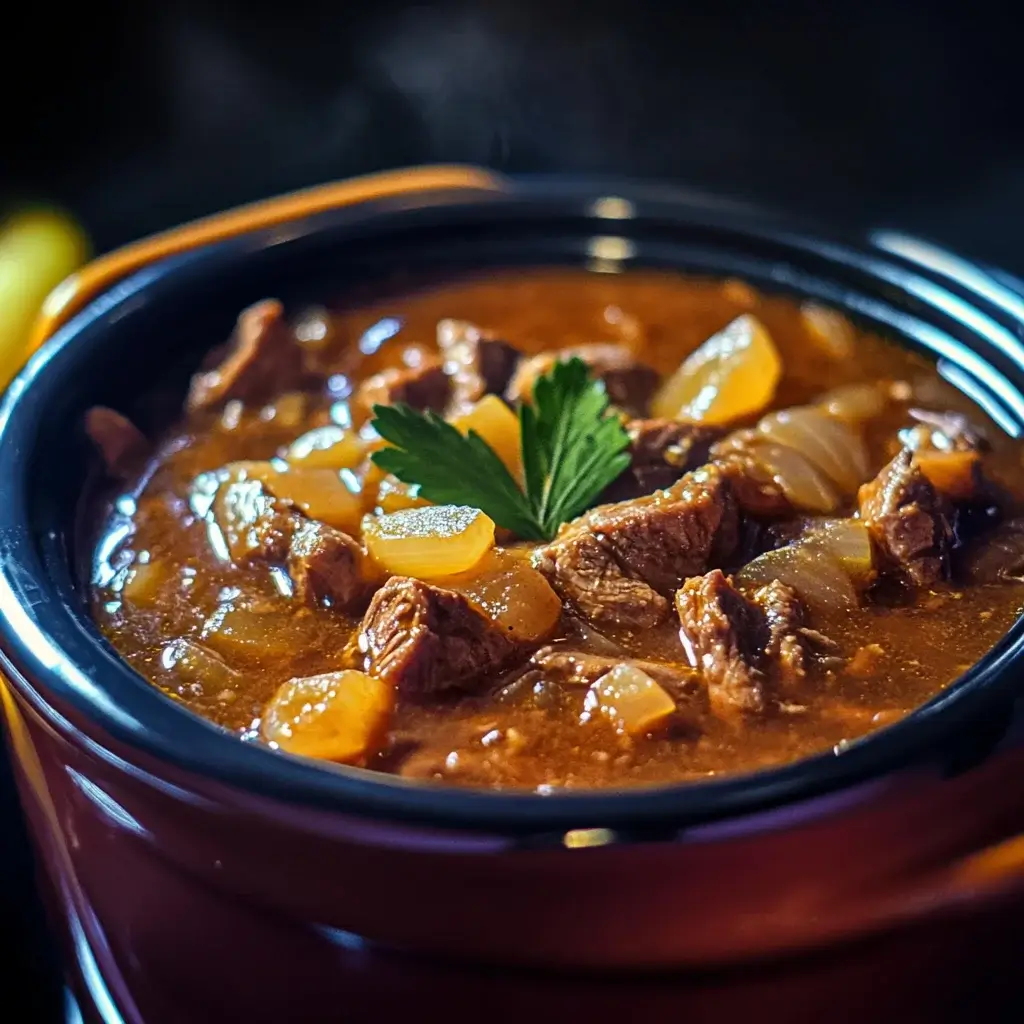
There’s a certain magic that happens when the days grow shorter and the air turns crisp. It’s a craving for warmth, for comfort, for food that feels like a hug from the inside out. For my family, that quintessential comfort food is undoubtedly a hearty beef stew. But not just any beef stew – Slow Cooker Beef and Ale Stew. The aroma alone, slowly permeating the house throughout the day, is enough to chase away the chill and bring everyone together. The first time I made this, I was skeptical. Ale in stew? Would it be too bitter? Too overpowering? My worries vanished with the first spoonful. The ale doesn’t dominate; instead, it lends a deep, malty richness, a subtle complexity that elevates the humble beef stew to something truly special. The beef becomes fall-apart tender, the vegetables melt-in-your-mouth soft, and the gravy… oh, the gravy is just divine – thick, savory, and deeply flavorful. Even my husband, a self-proclaimed stew connoisseur, declared it the best beef stew he’d ever had. It’s become our go-to winter warmer, a dish that’s both incredibly easy to prepare (thanks to the slow cooker!) and deeply satisfying to devour. This isn’t just dinner; it’s an experience, a comforting ritual that nourishes both body and soul. Get ready to experience the unparalleled comfort of Slow Cooker Beef and Ale Stew – it’s a recipe that will warm your kitchen and your heart.
Ingredients: Building Blocks of Flavorful Comfort
The beauty of Slow Cooker Beef and Ale Stew lies in the synergy of simple, wholesome ingredients. Each component plays a crucial role in building layers of flavor and creating that deeply satisfying, hearty stew we all crave. From the robust beef to the earthy vegetables and the rich ale, every ingredient contributes to the final symphony of taste and texture. Here’s a detailed list of what you’ll need to gather to embark on this culinary journey:
- Beef Chuck Roast: 2 pounds (approximately 900g) beef chuck roast, cut into 1-inch cubes. Beef chuck roast is the star of this stew and the ideal cut for slow cooking. Its marbling and connective tissue break down beautifully during the long cooking process, resulting in incredibly tender and flavorful beef. Look for a well-marbled chuck roast for the best results. Cutting it into 1-inch cubes ensures even cooking and bite-sized pieces in your stew.
- Ale: 1 bottle (12 ounces or 355ml) of your favorite ale. Ale is the secret ingredient that elevates this stew beyond the ordinary. Choose a robust ale like a brown ale, porter, or stout for the deepest flavor. These ales have malty, nutty, and sometimes chocolatey notes that complement the beef and vegetables beautifully. Avoid very hoppy IPAs, as their bitterness can become more pronounced during slow cooking. Experiment with different ales to find your personal favorite flavor profile – each ale will impart a slightly different nuance to the stew.
- Beef Broth: 2 cups (480ml) low-sodium beef broth. Beef broth provides the liquid base for the stew and enhances the beefy flavor. Using low-sodium broth allows you to control the saltiness of the final dish and adjust it to your preference. You can also use homemade beef broth for an even richer flavor.
- Vegetable Oil: 2 tablespoons vegetable oil. Vegetable oil is used for browning the beef and sautéing the vegetables. A neutral oil like vegetable oil, canola oil, or grapeseed oil works well. Olive oil can also be used, but it has a lower smoke point and may not be ideal for high-heat browning.
- Yellow Onions: 2 large yellow onions, roughly chopped. Yellow onions form the aromatic base of the stew, adding sweetness and depth of flavor as they cook down. Roughly chopping them is fine, as they will soften significantly during the slow cooking process.
- Carrots: 2 large carrots, peeled and cut into 1-inch pieces. Carrots add sweetness, color, and a touch of earthiness to the stew. Cutting them into 1-inch pieces ensures they hold their shape during slow cooking and don’t become mushy.
- Celery: 2 stalks celery, cut into 1-inch pieces. Celery contributes a subtle savory flavor and aromatic complexity to the stew. Like carrots, cutting them into 1-inch pieces helps them maintain some texture during slow cooking.
- Potatoes: 2 pounds (approximately 900g) Yukon Gold or red potatoes, peeled and cut into 1-inch cubes. Yukon Gold or red potatoes are excellent choices for stew because they hold their shape well during slow cooking and have a creamy texture. Peeling them is optional, but it’s recommended for a smoother stew. Cutting them into 1-inch cubes ensures they cook evenly and are bite-sized.
- Garlic: 4 cloves garlic, minced. Garlic adds a pungent and aromatic layer to the stew, complementing the beef and vegetables. Freshly minced garlic is always best for its vibrant flavor.
- Tomato Paste: 2 tablespoons tomato paste. Tomato paste adds concentrated tomato flavor, richness, and depth to the stew. It also helps to thicken the gravy and adds a touch of acidity.
- Worcestershire Sauce: 2 tablespoons Worcestershire sauce. Worcestershire sauce adds a savory, umami depth to the stew. Its complex flavor profile enhances the beefiness and adds a subtle tang.
- Dried Thyme: 1 teaspoon dried thyme. Dried thyme is a classic herb for beef stew, adding an earthy, slightly lemony flavor that complements the beef and vegetables.
- Dried Bay Leaf: 1 bay leaf. A bay leaf adds a subtle, aromatic complexity to the stew as it simmers. It’s important to remove the bay leaf before serving.
- Salt and Freshly Ground Black Pepper: To taste. Salt and freshly ground black pepper are essential seasonings to enhance all the flavors in the stew. Season generously throughout the cooking process, especially when browning the beef and at the end to adjust the final flavor. Freshly ground black pepper is always preferred for its bolder flavor.
- Fresh Parsley (for garnish, optional): Chopped fresh parsley. Fresh parsley adds a pop of color and freshness to the finished stew. It’s primarily used for garnish but adds a nice touch of brightness.
- All-Purpose Flour or Cornstarch (optional, for thickening): 1-2 tablespoons all-purpose flour or cornstarch. If you prefer a thicker gravy, you can use a slurry of flour or cornstarch and water at the end of cooking to thicken it. This is often not necessary if you use enough potatoes and cook the stew long enough, but it’s an option for extra-thick gravy.
Instructions: Slow and Steady Wins the Flavor Race
The beauty of slow cooker recipes is their hands-off approach. While there’s a little bit of initial prep work involved in browning the beef and sautéing the vegetables, the slow cooker does the heavy lifting, transforming simple ingredients into a deeply flavorful and comforting stew. Follow these step-by-step instructions to create your own Slow Cooker Beef and Ale Stew masterpiece:
- Brown the Beef: Season the beef cubes generously with salt and pepper. Heat the vegetable oil in a large skillet or Dutch oven over medium-high heat. Browning the beef is a crucial step for developing deep, rich flavor in the stew. Don’t skip this step! Working in batches, sear the beef cubes on all sides until nicely browned. Don’t overcrowd the pan, as this will steam the beef instead of searing it. Remove the browned beef from the skillet and set aside. Browning creates a flavorful crust on the beef through the Maillard reaction, which significantly enhances the overall taste of the stew.
- Sauté Vegetables: Add the chopped onions, carrots, and celery to the same skillet (there will be flavorful browned bits left from the beef – don’t discard these!). Sauté over medium heat for 5-7 minutes, or until the onions are softened and translucent. Sautéing the vegetables before adding them to the slow cooker brings out their sweetness and adds another layer of flavor to the stew.
- Add Garlic and Tomato Paste: Add the minced garlic and tomato paste to the skillet with the vegetables. Cook for 1 minute, stirring constantly, until fragrant and the tomato paste has slightly darkened. Cooking the garlic and tomato paste briefly enhances their flavors and prevents the tomato paste from tasting raw.
- Deglaze the Skillet: Pour in the ale to deglaze the skillet, scraping up any browned bits from the bottom of the pan with a wooden spoon or spatula. Deglazing is essential for capturing all the flavorful browned bits (fond) that have accumulated in the skillet. These browned bits are packed with flavor and will add depth and complexity to the stew. Simmer for 2-3 minutes, allowing the ale to reduce slightly and the alcohol to cook off.
- Transfer to Slow Cooker: Transfer the browned beef, sautéed vegetables, and ale mixture to a 6-quart or larger slow cooker. Add the potatoes, beef broth, Worcestershire sauce, dried thyme, and bay leaf. Stir to combine all ingredients. Ensure the liquid covers most of the ingredients; add a little more beef broth if needed.
- Slow Cook: Cover the slow cooker and cook on low heat for 8-10 hours, or on high heat for 4-5 hours. Slow cooking allows the beef to become incredibly tender and the flavors to meld together beautifully. Low and slow is generally recommended for the most tender beef and richest flavor, but high heat will work if you are short on time. The beef should be easily shredded with a fork when it’s done.
- Thicken Stew (Optional): If you prefer a thicker gravy, in a small bowl, whisk together 1-2 tablespoons of all-purpose flour or cornstarch with 2-3 tablespoons of cold water to create a slurry. About 30 minutes before the end of cooking time, stir the slurry into the slow cooker. Stir well to combine. Cook for another 30 minutes on high (or continue on low), or until the gravy has thickened to your desired consistency. If you are using cornstarch, cook on high for the last 30 minutes, as it needs higher heat to activate its thickening properties.
- Season and Serve: Remove the bay leaf. Taste the stew and adjust seasoning with salt and pepper as needed. Garnish with fresh parsley, if desired.
- Serve Hot: Serve hot and enjoy the deeply satisfying flavors of your Slow Cooker Beef and Ale Stew!
Nutrition Facts: Hearty Goodness in Every Bowl
(Please note: Nutritional information is an estimate and can vary based on specific ingredients, brands, and portion sizes.)
Serving Size: Approximately 1.5 cups
Servings Per Recipe: 6-8 servings
Approximate Nutritional Information per Serving (based on 8 servings):
- Calories: 400-500 kcal
- Protein: 30-35g
- Fat: 20-25g
- Saturated Fat: 8-10g
- Unsaturated Fat: 10-15g
- Carbohydrates: 30-40g
- Fiber: 5-7g
- Sugar: 5-7g (naturally occurring from vegetables and ale)
- Sodium: 400-500mg (depending on broth and salt added)
Key Nutritional Benefits:
- Excellent Source of Protein: Beef is a rich source of high-quality protein, essential for muscle building and repair, and overall body function.
- Good Source of Vitamins and Minerals: Vegetables like carrots, celery, onions, and potatoes provide vitamins (like Vitamin A, Vitamin C, Vitamin K) and minerals (like potassium, folate).
- Source of Fiber: Vegetables and potatoes contribute to dietary fiber intake, which is important for digestion, satiety, and blood sugar control.
- Iron-Rich: Beef is a good source of iron, important for carrying oxygen in the blood and preventing iron deficiency.
- Potassium: Potatoes are a good source of potassium, an important electrolyte for blood pressure regulation and nerve function.
- Comforting and Satisfying: Hearty stews like this are naturally satisfying and can help you feel full and content, potentially aiding in portion control.
Important Notes:
- This is an estimate and can vary based on specific ingredient brands, portion sizes, and variations in the recipe.
- This recipe is not low in fat or calories due to the beef and oil content. To reduce fat, you can trim excess fat from the beef before cooking and use leaner beef chuck.
- The sodium content can be reduced by using low-sodium beef broth and being mindful of added salt.
- Consider serving smaller portions as part of a balanced meal with a side salad or whole grain bread to further enhance nutritional value.
Preparation Time: A Little Effort for Hours of Flavor
While the slow cooker does most of the work, there is some initial preparation required for this Slow Cooker Beef and Ale Stew. However, the active cooking time is relatively short, making it a convenient option for busy days. Here’s a breakdown of the preparation time:
- Prep Time: 30-40 minutes (chopping vegetables, cubing beef, browning beef, sautéing vegetables)
- Cook Time (Slow Cooker): 8-10 hours on low or 4-5 hours on high
- Total Time: 8 hours 30 minutes – 10 hours 40 minutes (on low) or 4 hours 30 minutes – 5 hours 40 minutes (on high)
Active Cooking Time: Approximately 30-40 minutes
As you can see, while the total time is long due to the slow cooking process, the active hands-on time is minimal. This makes it perfect for:
- Set-it-and-Forget-It Meals: Ideal for busy weekdays – prepare it in the morning before work and come home to a delicious, ready-to-eat stew.
- Weekend Comfort Food: Perfect for a cozy weekend meal, allowing you to enjoy your day while the stew simmers away.
- Batch Cooking: Great for meal prepping – make a large batch and enjoy leftovers throughout the week or freeze portions for future meals.
The majority of the time is passive cooking time in the slow cooker, freeing you up to do other things while your delicious stew develops its rich and complex flavors.
How to Serve: Classic Comfort and Creative Twists
Slow Cooker Beef and Ale Stew is a classic comfort food that’s satisfying and delicious served in many ways. Whether you prefer a traditional presentation or want to get a little creative, here are some serving suggestions to elevate your stew experience:
- Classic and Simple:
- Bowl of Stew: The most traditional and comforting way to serve it – simply ladle generous portions of the stew into bowls.
- With Crusty Bread: Serve with a side of crusty bread, sourdough, or baguette for dipping into the rich gravy and soaking up every last bit of flavor.
- Over Mashed Potatoes: Spoon the stew over creamy mashed potatoes for an extra layer of comfort and richness.
- With Egg Noodles: Serve over buttered egg noodles for a hearty and satisfying combination.
- Elevated Presentations:
- Individual Casserole Dishes: Ladle the stew into individual oven-safe casserole dishes, top with a puff pastry lid or mashed potato topping, and bake until golden brown for a more elegant presentation.
- Bread Bowls: Serve the stew in hollowed-out bread bowls for a fun and edible serving vessel.
- Garnished Bowls: Garnish each bowl of stew with a sprinkle of fresh parsley, chopped chives, or a dollop of sour cream or crème fraîche for added visual appeal and flavor.
- Side Dish Pairings:
- Green Salad: Serve with a fresh green salad with a light vinaigrette to balance the richness of the stew.
- Roasted Vegetables: Complement the stew with a side of roasted vegetables like Brussels sprouts, asparagus, or green beans for added nutrients and textures.
- Steamed Green Beans: A simple side of steamed green beans provides a fresh and light contrast to the hearty stew.
- Coleslaw: Creamy coleslaw can offer a cool and crunchy counterpoint to the warm stew.
- Creative Twists:
- Stew Pot Pie: Use the stew as a filling for a beef pot pie, topping it with a flaky pie crust or biscuit topping and baking until golden brown.
- Shepherd’s Pie Variation: Top the stew with a layer of mashed sweet potatoes instead of regular potatoes for a shepherd’s pie-inspired dish with a slightly sweeter flavor profile.
- Stew and Dumplings: Add dumplings during the last hour of cooking for a classic beef and dumplings variation. Drop spoonfuls of dumpling dough directly into the simmering stew.
- Stew Tacos or Burritos: Shred the beef from the stew and use it as a filling for tacos or burritos, adding your favorite taco toppings like salsa, cheese, and sour cream.
Additional Tips for Slow Cooker Beef and Ale Stew Perfection
To ensure your Slow Cooker Beef and Ale Stew is a guaranteed success every time, here are five essential tips for achieving maximum flavor and tenderness:
- Don’t Skip Browning the Beef: While it might seem tempting to skip the browning step to save time, resist the urge! Browning the beef is crucial for developing deep, rich flavor in your stew. It creates a flavorful crust through the Maillard reaction, which adds layers of complexity that you just can’t achieve by simply throwing raw beef into the slow cooker. Take the extra time to properly brown the beef in batches – it’s an investment in flavor that pays off handsomely.
- Choose the Right Ale for Your Taste: The type of ale you use will significantly impact the final flavor of your stew. Experiment with different ales to find your favorite profile. Brown ales and porters tend to impart nutty, malty, and slightly sweet notes, while stouts can add richer, roasted, and sometimes chocolatey flavors. Avoid very hoppy IPAs, as their bitterness can become amplified during slow cooking. Consider trying a local craft ale for a unique regional flavor.
- Layer Flavors Throughout the Cooking Process: Don’t just add all the ingredients to the slow cooker at once and expect maximum flavor. Layering flavors throughout the cooking process is key. Start by browning the beef, then sauté the vegetables to bring out their sweetness, bloom the garlic and tomato paste to intensify their flavors, and deglaze the skillet with ale to capture all the flavorful browned bits. Season with salt and pepper at each stage to build depth of flavor.
- Use Quality Beef Chuck Roast: The quality of your beef chuck roast will directly impact the tenderness and flavor of your stew. Choose a well-marbled chuck roast for the best results. Marbling (the streaks of fat within the meat) is what renders down during slow cooking, making the beef incredibly tender and juicy. Look for a roast that has good marbling throughout and is not too lean. Investing in a slightly higher quality chuck roast will make a noticeable difference in your stew.
- Adjust Vegetables to Your Preference: While carrots, celery, onions, and potatoes are classic stew vegetables, feel free to customize the vegetable mix to your liking. You can add other root vegetables like parsnips, turnips, or sweet potatoes. Mushrooms (cremini, shiitake, or button mushrooms) add earthy umami flavor. For a touch of green, consider adding frozen peas or green beans during the last 30 minutes of cooking. Don’t be afraid to experiment and create your own signature vegetable blend for your Slow Cooker Beef and Ale Stew.
FAQ – Frequently Asked Questions about Slow Cooker Beef and Ale Stew
Here are some frequently asked questions to help you make the best Slow Cooker Beef and Ale Stew:
Q1: Can I use a different cut of beef besides chuck roast?
A: While chuck roast is the ideal cut for slow cooker beef stew due to its marbling and connective tissue, you can use other cuts if needed. Beef brisket, short ribs, or even stew beef (which is often already cubed chuck roast) can be used. However, leaner cuts like sirloin or round roast are not recommended as they can become dry and tough during slow cooking. Chuck roast is truly the best choice for tender, flavorful stew.
Q2: Can I make this stew without ale?
A: Yes, you can make this stew without ale, but it will lack the signature depth and complexity that the ale provides. If you want to omit the ale, you can substitute it with additional beef broth, red wine, or even a non-alcoholic beer or stout. Adding a splash of balsamic vinegar or Worcestershire sauce can also help to enhance the savory flavor if you are omitting ale. However, for the authentic “Beef and Ale Stew” flavor, the ale is highly recommended.
Q3: Can I make this stew on the stovetop or in the oven instead of a slow cooker?
A: Yes, you can adapt this recipe for stovetop or oven cooking.
- Stovetop: After deglazing the skillet with ale, transfer all ingredients to a large pot or Dutch oven. Bring to a simmer, then reduce heat to low, cover, and simmer for 2-3 hours, or until beef is tender, stirring occasionally.
- Oven: Preheat oven to 325°F (160°C). After deglazing the skillet, transfer all ingredients to a Dutch oven or oven-safe pot. Cover and bake for 3-4 hours, or until beef is tender.
Slow cooking in the slow cooker, stovetop, or oven all achieve similar results – tender beef and flavorful stew. The slow cooker is the most hands-off method.
Q4: Can I add more vegetables to this stew?
A: Absolutely! Feel free to add more vegetables to your Slow Cooker Beef and Ale Stew. Mushrooms (cremini, shiitake, or button) are a popular addition. You can also add parsnips, turnips, rutabaga, sweet potatoes, or even frozen peas or green beans during the last 30 minutes of cooking. Hearty root vegetables and mushrooms work particularly well in beef stew.
Q5: How do I store leftover Slow Cooker Beef and Ale Stew?
A: Leftover Slow Cooker Beef and Ale Stew can be stored in an airtight container in the refrigerator for up to 3-4 days. The flavors often improve even more the next day as they meld together in the refrigerator. Reheat gently on the stovetop or in the microwave until heated through. You can also freeze leftover stew for up to 2-3 months in freezer-safe containers. Thaw overnight in the refrigerator before reheating.
Enjoy creating this incredibly comforting and flavorful Slow Cooker Beef and Ale Stew! It’s a dish that’s perfect for chilly evenings, cozy gatherings, and anytime you crave hearty, satisfying comfort food.
Print
Slow Cooker Beef and Ale Stew recipe
Ingredients
-
- Beef Chuck Roast: 2 pounds (approximately 900g) beef chuck roast, cut into 1-inch cubes. Beef chuck roast is the star of this stew and the ideal cut for slow cooking. Its marbling and connective tissue break down beautifully during the long cooking process, resulting in incredibly tender and flavorful beef. Look for a well-marbled chuck roast for the best results. Cutting it into 1-inch cubes ensures even cooking and bite-sized pieces in your stew.
-
- Ale: 1 bottle (12 ounces or 355ml) of your favorite ale. Ale is the secret ingredient that elevates this stew beyond the ordinary. Choose a robust ale like a brown ale, porter, or stout for the deepest flavor. These ales have malty, nutty, and sometimes chocolatey notes that complement the beef and vegetables beautifully. Avoid very hoppy IPAs, as their bitterness can become more pronounced during slow cooking. Experiment with different ales to find your personal favorite flavor profile – each ale will impart a slightly different nuance to the stew.
-
- Beef Broth: 2 cups (480ml) low-sodium beef broth. Beef broth provides the liquid base for the stew and enhances the beefy flavor. Using low-sodium broth allows you to control the saltiness of the final dish and adjust it to your preference. You can also use homemade beef broth for an even richer flavor.
-
- Vegetable Oil: 2 tablespoons vegetable oil. Vegetable oil is used for browning the beef and sautéing the vegetables. A neutral oil like vegetable oil, canola oil, or grapeseed oil works well. Olive oil can also be used, but it has a lower smoke point and may not be ideal for high-heat browning.
-
- Yellow Onions: 2 large yellow onions, roughly chopped. Yellow onions form the aromatic base of the stew, adding sweetness and depth of flavor as they cook down. Roughly chopping them is fine, as they will soften significantly during the slow cooking process.
-
- Carrots: 2 large carrots, peeled and cut into 1-inch pieces. Carrots add sweetness, color, and a touch of earthiness to the stew. Cutting them into 1-inch pieces ensures they hold their shape during slow cooking and don’t become mushy.
-
- Celery: 2 stalks celery, cut into 1-inch pieces. Celery contributes a subtle savory flavor and aromatic complexity to the stew. Like carrots, cutting them into 1-inch pieces helps them maintain some texture during slow cooking.
-
- Potatoes: 2 pounds (approximately 900g) Yukon Gold or red potatoes, peeled and cut into 1-inch cubes. Yukon Gold or red potatoes are excellent choices for stew because they hold their shape well during slow cooking and have a creamy texture. Peeling them is optional, but it’s recommended for a smoother stew. Cutting them into 1-inch cubes ensures they cook evenly and are bite-sized.
-
- Garlic: 4 cloves garlic, minced. Garlic adds a pungent and aromatic layer to the stew, complementing the beef and vegetables. Freshly minced garlic is always best for its vibrant flavor.
-
- Tomato Paste: 2 tablespoons tomato paste. Tomato paste adds concentrated tomato flavor, richness, and depth to the stew. It also helps to thicken the gravy and adds a touch of acidity.
-
- Worcestershire Sauce: 2 tablespoons Worcestershire sauce. Worcestershire sauce adds a savory, umami depth to the stew. Its complex flavor profile enhances the beefiness and adds a subtle tang.
-
- Dried Thyme: 1 teaspoon dried thyme. Dried thyme is a classic herb for beef stew, adding an earthy, slightly lemony flavor that complements the beef and vegetables.
-
- Dried Bay Leaf: 1 bay leaf. A bay leaf adds a subtle, aromatic complexity to the stew as it simmers. It’s important to remove the bay leaf before serving.
-
- Salt and Freshly Ground Black Pepper: To taste. Salt and freshly ground black pepper are essential seasonings to enhance all the flavors in the stew. Season generously throughout the cooking process, especially when browning the beef and at the end to adjust the final flavor. Freshly ground black pepper is always preferred for its bolder flavor.
-
- Fresh Parsley (for garnish, optional): Chopped fresh parsley. Fresh parsley adds a pop of color and freshness to the finished stew. It’s primarily used for garnish but adds a nice touch of brightness.
-
- All-Purpose Flour or Cornstarch (optional, for thickening): 1-2 tablespoons all-purpose flour or cornstarch. If you prefer a thicker gravy, you can use a slurry of flour or cornstarch and water at the end of cooking to thicken it. This is often not necessary if you use enough potatoes and cook the stew long enough, but it’s an option for extra-thick gravy.
Instructions
-
- Brown the Beef: Season the beef cubes generously with salt and pepper. Heat the vegetable oil in a large skillet or Dutch oven over medium-high heat. Browning the beef is a crucial step for developing deep, rich flavor in the stew. Don’t skip this step! Working in batches, sear the beef cubes on all sides until nicely browned. Don’t overcrowd the pan, as this will steam the beef instead of searing it. Remove the browned beef from the skillet and set aside. Browning creates a flavorful crust on the beef through the Maillard reaction, which significantly enhances the overall taste of the stew.
-
- Sauté Vegetables: Add the chopped onions, carrots, and celery to the same skillet (there will be flavorful browned bits left from the beef – don’t discard these!). Sauté over medium heat for 5-7 minutes, or until the onions are softened and translucent. Sautéing the vegetables before adding them to the slow cooker brings out their sweetness and adds another layer of flavor to the stew.
-
- Add Garlic and Tomato Paste: Add the minced garlic and tomato paste to the skillet with the vegetables. Cook for 1 minute, stirring constantly, until fragrant and the tomato paste has slightly darkened. Cooking the garlic and tomato paste briefly enhances their flavors and prevents the tomato paste from tasting raw.
-
- Deglaze the Skillet: Pour in the ale to deglaze the skillet, scraping up any browned bits from the bottom of the pan with a wooden spoon or spatula. Deglazing is essential for capturing all the flavorful browned bits (fond) that have accumulated in the skillet. These browned bits are packed with flavor and will add depth and complexity to the stew. Simmer for 2-3 minutes, allowing the ale to reduce slightly and the alcohol to cook off.
-
- Transfer to Slow Cooker: Transfer the browned beef, sautéed vegetables, and ale mixture to a 6-quart or larger slow cooker. Add the potatoes, beef broth, Worcestershire sauce, dried thyme, and bay leaf. Stir to combine all ingredients. Ensure the liquid covers most of the ingredients; add a little more beef broth if needed.
-
- Slow Cook: Cover the slow cooker and cook on low heat for 8-10 hours, or on high heat for 4-5 hours. Slow cooking allows the beef to become incredibly tender and the flavors to meld together beautifully. Low and slow is generally recommended for the most tender beef and richest flavor, but high heat will work if you are short on time. The beef should be easily shredded with a fork when it’s done.
-
- Thicken Stew (Optional): If you prefer a thicker gravy, in a small bowl, whisk together 1-2 tablespoons of all-purpose flour or cornstarch with 2-3 tablespoons of cold water to create a slurry. About 30 minutes before the end of cooking time, stir the slurry into the slow cooker. Stir well to combine. Cook for another 30 minutes on high (or continue on low), or until the gravy has thickened to your desired consistency. If you are using cornstarch, cook on high for the last 30 minutes, as it needs higher heat to activate its thickening properties.
-
- Season and Serve: Remove the bay leaf. Taste the stew and adjust seasoning with salt and pepper as needed. Garnish with fresh parsley, if desired.
-
- Serve Hot: Serve hot and enjoy the deeply satisfying flavors of your Slow Cooker Beef and Ale
Nutrition
- Serving Size: one normal portion
- Calories: 400-500
- Sugar: 5-7g
- Sodium: 400-500mg
- Fat: 20-25g
- Saturated Fat: 8-10g
- Unsaturated Fat: 10-15g
- Carbohydrates: 30-40g
- Fiber: 5-7g
- Protein: 30-35g