
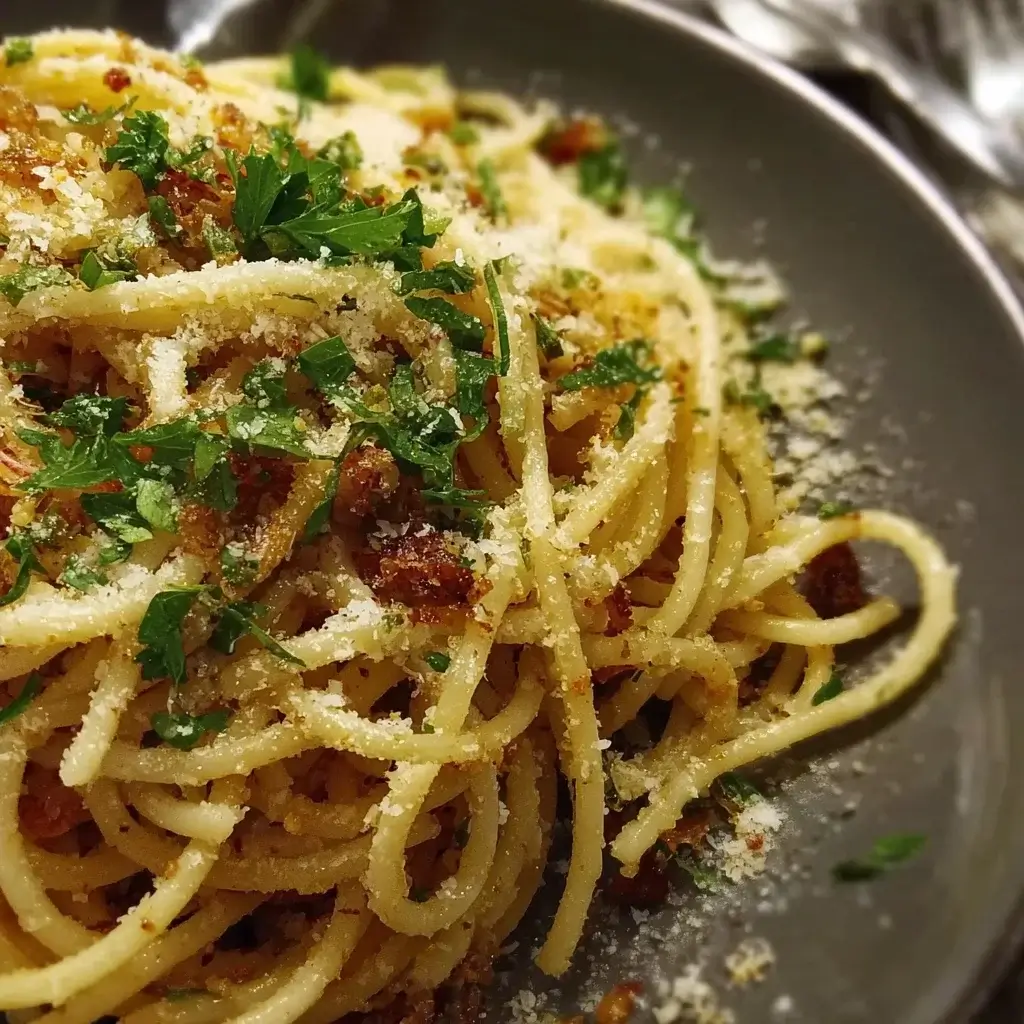
In a world of complex, slow-simmered sauces and elaborate multi-step recipes, there is a profound beauty in the dishes that do the most with the least. This Spaghetti alla Carrettiera is the very embodiment of that philosophy. I discovered it not in a fancy restaurant, but from a dog-eared page of an old Italian cookbook that celebrated “cucina povera,” the “poor kitchen” of rural Italy. The name, “cart driver’s style,” painted a picture of a simple, robust meal made on the road with ingredients that wouldn’t spoil: dried pasta, garlic, olive oil, and chili. The first time I made it, I was skeptical. A no-cook sauce? Raw garlic? It seemed almost too simple to be good. But as I tossed the steaming hot spaghetti into the bowl of fragrant, raw ingredients, a kind of magic happened. The heat of the pasta instantly bloomed the garlic and chili, releasing their potent aromas and mellowing their sharpest edges. The result was a dish that was explosive in flavor—fiery, pungent, and intensely savory—yet incredibly fresh and light. It was a culinary revelation, a powerful reminder that with ingredients of true quality, you don’t need complexity to achieve perfection. It has since become my emergency dinner, my “nothing in the fridge” triumph, and a dish that never fails to astonish my guests with its powerful, rustic charm.
The Soul of Simplicity: What is Spaghetti alla Carrettiera?
“Spaghetti alla Carrettiera” translates to “Cart Driver’s Style Spaghetti.” The name evokes the image of Italian cart drivers who transported goods across the country and needed to prepare meals on the road using simple, non-perishable pantry staples. This history is the key to understanding the dish’s soul: it is rustic, quick, and built on the foundation of a few high-quality ingredients.
Interestingly, this has led to two distinct regional variations of the dish, both born from the same philosophy:
- The Sicilian Version (The Original Raw Sauce): This is the version we are celebrating in this recipe. Hailing from Sicily, it is the purest expression of the “cart driver’s” ethos. It features a completely raw, uncooked sauce of fresh garlic, olive oil, chili, and parsley, all tossed with hot pasta at the last second. It is vibrant, pungent, and breathtakingly simple.
- The Tuscan/Central Italian Version: This version, also popular, often incorporates other easily preserved ingredients like canned tuna, anchovies, or mushrooms, which are lightly sautéed with garlic and chili to form a quick cooked sauce.
This recipe focuses on the classic, raw Sicilian style, a true testament to the power of minimalism in the kitchen.
Complete Ingredients List
The quality of your ingredients is not just important here; it’s everything. With so few components, each one must be at its peak to deliver the authentic, explosive flavor. This recipe serves 4 people.
For the Spaghetti alla Carrettiera:
- Spaghetti or Linguine: 1 pound (450g). Use a high-quality, bronze-die pasta if possible. The rougher texture helps the simple sauce cling beautifully.
- Garlic: 4-6 large cloves. This is a main flavor, so don’t be shy. Use fresh, firm cloves, not the pre-peeled or jarred kind.
- Extra Virgin Olive Oil: ½ cup (120ml). Use your best “finishing” olive oil—one that is fruity, peppery, and flavorful. Its taste will be front and center.
- Dried Red Chili Flakes (Peperoncino): 1-2 teaspoons, or to taste. One teaspoon provides a good warmth; two will make it authentically fiery.
- Fresh Flat-Leaf Parsley: 1 large bunch (about 1 cup, loosely packed), finely chopped. Do not use dried parsley. The fresh, herbaceous bite is essential.
- Pecorino Romano Cheese: 1 cup (about 100g), finely grated, plus more for serving. Its sharp, salty flavor is the traditional and perfect choice.
- Salt: Coarse sea salt for the pasta water and fine sea salt for the sauce.
For the Optional (but Highly Recommended) Toasted Breadcrumbs (Pangrattato):
- Day-old Rustic Bread or Panko Breadcrumbs: 1 cup.
- Olive Oil: 1 tablespoon.
- Garlic Clove: 1, smashed (optional).
Step-by-Step Instructions
The beauty of this dish is that the “sauce” is made in the time it takes to boil the pasta. The key is having everything prepped and ready to go.
Step 1: (Optional) Prepare the Pangrattato
Pangrattato, or “poor man’s Parmesan,” adds a fantastic savory crunch and textural contrast.
- If using day-old bread, pulse it in a food processor to form coarse crumbs.
- Heat 1 tablespoon of olive oil in a small skillet over medium heat. Add the optional smashed garlic clove and cook for one minute to infuse the oil.
- Add the breadcrumbs and toast, stirring frequently, for 3-5 minutes until they are golden brown and crisp.
- Discard the garlic clove. Remove the breadcrumbs from the skillet and set them aside on a plate to cool.
Step 2: Prepare the Raw “Sauce”
- Choose a large serving bowl—the one you will serve the pasta in. It must be big enough to toss the pasta freely.
- Thinly slice the 4-6 cloves of garlic. For a more intense, pungent flavor, you can pound the garlic into a rough paste using a mortar and pestle.
- Add the prepared garlic, the ½ cup of high-quality extra virgin olive oil, the dried red chili flakes, and most of the finely chopped parsley (reserve some for garnish) to the large serving bowl. Add a pinch of fine sea salt.
- Stir everything together and let it sit at room temperature while you cook the pasta. This allows the flavors to begin infusing the oil.
Step 3: Cook the Pasta
- Bring a large pot of water to a vigorous, rolling boil.
- Add a generous amount of coarse sea salt (about 1-2 tablespoons). The water should be well-seasoned.
- Add the spaghetti and cook according to the package instructions until it is perfectly al dente—cooked through but with a firm bite.
Step 4: Combine and Finish the Dish
This is the most crucial phase where the magic happens. Move quickly and with purpose.
- Just before draining the pasta, use a mug to reserve about 1.5 cups of the starchy pasta water.
- Drain the pasta quickly but do not let it dry out. Immediately transfer the hot, steaming spaghetti directly into the serving bowl with the raw garlic and oil mixture.
- Add about ½ cup of the reserved pasta water and the 1 cup of finely grated Pecorino Romano cheese.
- Using tongs, toss the pasta vigorously and continuously for 1-2 minutes. The heat from the pasta will gently cook the garlic, mellowing its bite, while the starchy pasta water emulsifies with the olive oil and cheese to create a light, creamy sauce that coats every strand of spaghetti. If it looks dry, add another splash of pasta water until you reach a luscious, saucy consistency.
- Taste and adjust for salt and chili flakes if needed.
Nutrition Facts
- Servings: 4
- Calories Per Serving: Approximately 500-600 kcal
Disclaimer: This is an estimate. The final calorie count will depend heavily on the amount of olive oil, cheese, and breadcrumbs used. It is a carbohydrate-rich dish that provides healthy monounsaturated fats from the olive oil.
Preparation Time
- Preparation Time: 10 minutes
- Cook Time: 10-12 minutes (pasta cooking time)
- Total Time: Approximately 20-22 minutes
This is the ultimate quick and satisfying weeknight meal.
How to Serve Spaghetti alla Carrettiera
Serving this dish is all about embracing its rustic simplicity and serving it at its peak freshness.
- Serve Immediately: This dish must be served the moment it is ready. The heat of the pasta is an active ingredient, and it’s best enjoyed while the sauce is perfectly emulsified and hot.
- In Warmed Bowls: Serve in pre-warmed shallow pasta bowls to help maintain the temperature of the dish.
- Garnishes: Garnish each serving with a generous sprinkle of the following:
- The reserved chopped fresh parsley.
- An extra shower of grated Pecorino Romano cheese.
- A hearty spoonful of the crunchy, toasted pangrattato.
- A final drizzle of your best extra virgin olive oil.
- Wine Pairing: Pair with a crisp, dry, and unoaked Italian white wine that can cut through the richness of the oil and garlic.
- Sicilian Grillo or Vermentino: Excellent choices that are bright and refreshing.
- Pinot Grigio: A classic, clean pairing.
- Side Dishes: This pasta is a star on its own and doesn’t require much accompaniment. A simple arugula salad with a lemon vinaigrette would provide a nice, peppery contrast.
5 Essential Tips for Perfection
Master this simple dish by focusing on these five key details.
1. Use the Best Quality Ingredients You Can Find
With only a handful of ingredients, there is nowhere for mediocrity to hide. Use a high-quality, bronze-die pasta, your very best extra virgin olive oil, fresh and potent garlic, and authentic Pecorino Romano cheese. The difference in the final product will be astounding.
2. Master Your Garlic Technique
How you prepare the garlic will impact the final flavor. Thinly slicing it will result in a milder, more fragrant garlic flavor. Pounding it into a paste with a mortar and pestle will break down the cell walls more completely, releasing more of the pungent allicin compound for a much more intense, fiery garlic kick.
3. Pasta Water is Non-Negotiable
That cloudy, starchy water from cooking your pasta is the secret ingredient that transforms oil and water into a sauce. It’s a natural emulsifier. Don’t be afraid to use it generously. It helps the sauce cling to the pasta, creating a creamy texture without any actual cream.
4. Toss Vigorously in a Large Bowl
Don’t just gently stir the pasta. You need to toss it with energy. This vigorous agitation, combined with the hot pasta and starchy water, is what creates the emulsion. Using a bowl that is large enough to allow you to move the pasta freely is essential for this process.
5. Embrace the Pangrattato
It might be an optional step, but the toasted breadcrumbs are what take this dish from great to truly memorable. They provide a much-needed textural contrast to the soft pasta and a nutty, savory flavor that complements the garlic and cheese perfectly. Don’t skip it if you want the full experience.
Frequently Asked Questions (FAQ)
Here are answers to some common questions about this wonderfully simple dish.
1. Isn’t the raw garlic overwhelming?
Answer: This is a valid concern, but the magic of the dish is how the intense heat of the freshly cooked pasta “flash cooks” the garlic. It removes the harsh, raw bite while leaving its bold, fragrant character intact. The acidity of some variations (with fresh tomatoes) and the richness of the olive oil and cheese also help to balance the pungency. It is a garlic-forward dish, but it’s not unpleasantly raw.
2. What is the difference between Spaghetti alla Carrettiera and Spaghetti Aglio e Olio?
Answer: They are close cousins in the family of simple pasta dishes, but the key difference is in the treatment of the garlic. In Spaghetti Aglio e Olio (Garlic and Oil), the garlic is sliced and gently sautéed in the olive oil to infuse it. In the Sicilian-style Spaghetti alla Carrettiera, the garlic is used raw and is “cooked” only by the residual heat of the pasta, resulting in a fresher, more pungent flavor profile. Carrettiera also traditionally includes parsley and Pecorino as integral parts of the sauce.
3. Can I add other ingredients like tuna or mushrooms?
Answer: Absolutely! When you add ingredients like canned tuna (in oil, drained) or sautéed mushrooms, you are essentially making the Tuscan version of “alla Carrettiera.” To do this, simply sauté the mushrooms or flake the tuna into the skillet after the garlic and chili have become fragrant, then toss with the pasta. Anchovy fillets are another fantastic addition; they melt into the oil and add an incredible umami depth.
4. Can I use Parmesan instead of Pecorino Romano cheese?
Answer: You can, but it will change the flavor profile. Pecorino Romano is a sheep’s milk cheese that is sharper, saltier, and tangier than Parmesan (a cow’s milk cheese), which is nuttier and milder. For the authentic, punchy flavor of this southern Italian dish, Pecorino is the traditional and recommended choice.
5. How do I store and reheat leftovers?
Answer: To be perfectly honest, this dish is best eaten immediately and does not reheat well. The delicate emulsion of oil and water will break, and the pasta can become greasy and clumpy upon reheating. If you do have leftovers, it’s better to embrace the change and eat them cold or at room temperature, almost like a pasta salad, perhaps with an extra squeeze of lemon juice to brighten it up.
Print
Spaghetti Alla Carrettiera Recipe
Ingredients
For the Spaghetti alla Carrettiera:
-
Spaghetti or Linguine: 1 pound (450g). Use a high-quality, bronze-die pasta if possible. The rougher texture helps the simple sauce cling beautifully.
-
Garlic: 4-6 large cloves. This is a main flavor, so don’t be shy. Use fresh, firm cloves, not the pre-peeled or jarred kind.
-
Extra Virgin Olive Oil: ½ cup (120ml). Use your best “finishing” olive oil—one that is fruity, peppery, and flavorful. Its taste will be front and center.
-
Dried Red Chili Flakes (Peperoncino): 1-2 teaspoons, or to taste. One teaspoon provides a good warmth; two will make it authentically fiery.
-
Fresh Flat-Leaf Parsley: 1 large bunch (about 1 cup, loosely packed), finely chopped. Do not use dried parsley. The fresh, herbaceous bite is essential.
-
Pecorino Romano Cheese: 1 cup (about 100g), finely grated, plus more for serving. Its sharp, salty flavor is the traditional and perfect choice.
-
Salt: Coarse sea salt for the pasta water and fine sea salt for the sauce.
For the Optional (but Highly Recommended) Toasted Breadcrumbs (
-
Day-old Rustic Bread or Panko Breadcrumbs: 1 cup.
-
Olive Oil: 1 tablespoon.
-
Garlic Clove: 1, smashed (optional).
Instructions
Step 1: (Optional) Prepare the Pangrattato
Pangrattato, or “poor man’s Parmesan,” adds a fantastic savory crunch and textural contrast.
-
If using day-old bread, pulse it in a food processor to form coarse crumbs.
-
Heat 1 tablespoon of olive oil in a small skillet over medium heat. Add the optional smashed garlic clove and cook for one minute to infuse the oil.
-
Add the breadcrumbs and toast, stirring frequently, for 3-5 minutes until they are golden brown and crisp.
-
Discard the garlic clove. Remove the breadcrumbs from the skillet and set them aside on a plate to cool.
Step 2: Prepare the Raw “Sauce”
-
Choose a large serving bowl—the one you will serve the pasta in. It must be big enough to toss the pasta freely.
-
Thinly slice the 4-6 cloves of garlic. For a more intense, pungent flavor, you can pound the garlic into a rough paste using a mortar and pestle.
-
Add the prepared garlic, the ½ cup of high-quality extra virgin olive oil, the dried red chili flakes, and most of the finely chopped parsley (reserve some for garnish) to the large serving bowl. Add a pinch of fine sea salt.
-
Stir everything together and let it sit at room temperature while you cook the pasta. This allows the flavors to begin infusing the oil.
Step 3: Cook the Pasta
-
Bring a large pot of water to a vigorous, rolling boil.
-
Add a generous amount of coarse sea salt (about 1-2 tablespoons). The water should be well-seasoned.
-
Add the spaghetti and cook according to the package instructions until it is perfectly al dente—cooked through but with a firm bite.
Step 4: Combine and Finish the Dish
This is the most crucial phase where the magic happens. Move quickly and with purpose.
-
Just before draining the pasta, use a mug to reserve about 1.5 cups of the starchy pasta water.
-
Drain the pasta quickly but do not let it dry out. Immediately transfer the hot, steaming spaghetti directly into the serving bowl with the raw garlic and oil mixture.
-
Add about ½ cup of the reserved pasta water and the 1 cup of finely grated Pecorino Romano cheese.
-
Using tongs, toss the pasta vigorously and continuously for 1-2 minutes. The heat from the pasta will gently cook the garlic, mellowing its bite, while the starchy pasta water emulsifies with the olive oil and cheese to create a light, creamy sauce that coats every strand of spaghetti. If it looks dry, add another splash of pasta water until you reach a luscious, saucy consistency.
-
Taste and adjust for salt and chili flakes if needed.
Nutrition
- Serving Size: one normal portion
- Calories: 500-600