

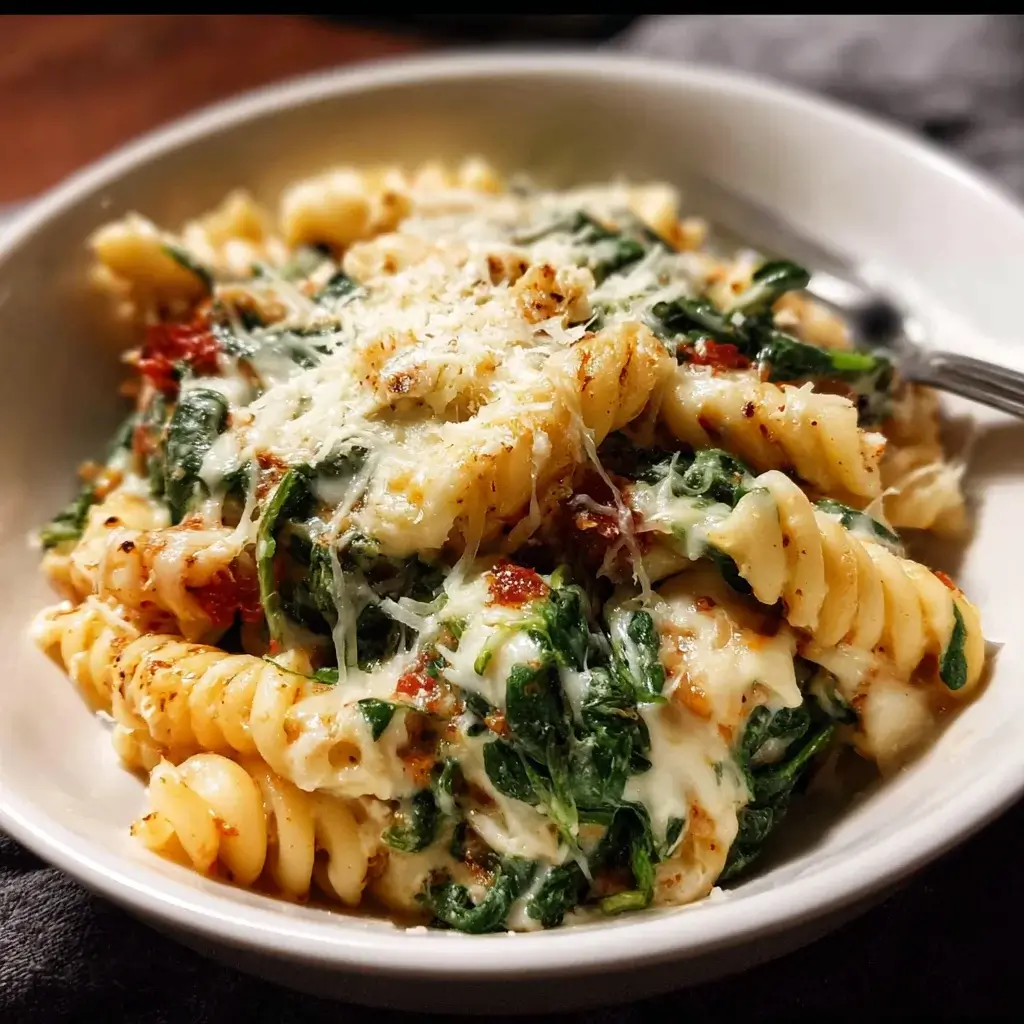
Some recipes are born from meticulous planning, and others are born from a desperate need for a quick, comforting meal on a chaotic Tuesday night. This Spinach Ricotta Rotini firmly belongs to the latter category, and it’s all the more perfect for it. I remember the day vividly: I was juggling work deadlines, after-school activities, and the nagging question of “what’s for dinner?” I needed something fast, something that used pantry staples, and something I knew my kids wouldn’t protest. I saw a container of ricotta in the fridge, a bag of spinach in the freezer, and a box of rotini in the pantry. A lightbulb went off. I started by simply sautéing garlic, then stirred in the ricotta, letting it melt into a surprisingly creamy, luscious sauce. I tossed in the thawed spinach and the cooked pasta, and within 20 minutes, I had a steaming pot of the most beautiful pale green pasta. The true magic happened at the dinner table. My notoriously picky eater, who usually inspects anything green with suspicion, took a bite and her eyes widened. “Mom, this is like… fancy mac and cheese, but better!” It was the highest praise imaginable. This dish has since become our emergency weeknight dinner, our go-to comfort food, and a testament to the fact that you don’t need a lot of time or complicated ingredients to create something truly delicious and family-approved.
Creamy Spinach Ricotta Rotini: The Ultimate 20-Minute Meal
Welcome to what might just be the most valuable recipe in your weeknight arsenal. This Creamy Spinach Ricotta Rotini is a game-changer. It delivers the luxurious, comforting creaminess of a dish like alfredo or carbonara but with a fraction of the effort and a much lighter feel. The sauce is deceptively simple, relying on the magic of fresh ricotta cheese, which, when heated with a little starchy pasta water, transforms into a velvety coating for every nook and cranny of the corkscrew pasta. Flecks of vibrant green spinach are woven throughout, adding color, nutrients, and a subtle earthy flavor. A hint of garlic, a touch of lemon, and a kick of red pepper provide the perfect balance to the rich cheese. This is more than just a recipe; it’s a formula for stress-free dinners. In this guide, we’ll cover everything you need to know to perfect this dish, from choosing the right ingredients to mastering the technique for the silkiest sauce imaginable.
Ingredients for a Perfect Spinach Ricotta Rotini
The beauty of this recipe is its short and accessible ingredient list. Using good quality staples will make a noticeable difference in the final taste and texture.
- Rotini Pasta: 1 lb (450g)
- Whole Milk Ricotta Cheese: 15 oz container (about 2 cups)
- Frozen Chopped Spinach: 10 oz package, thawed and squeezed dry
- Extra Virgin Olive Oil: 2 tablespoons
- Garlic: 4-5 cloves, minced
- Red Pepper Flakes: ¼ to ½ teaspoon, depending on your preference for heat
- Salt: 1 teaspoon, divided, plus more for pasta water
- Black Pepper: ½ teaspoon, freshly ground
- Freshly Grated Parmesan Cheese: ½ cup, plus more for serving
- Lemon: 1, for zest and juice
- Nutmeg (optional): A fresh grating, about ⅛ teaspoon
A Deeper Look at the Key Ingredients
To understand why this simple recipe works so incredibly well, let’s break down the role of its most important components.
The Rotini: The choice of pasta shape is deliberate. Rotini, with its tight corkscrew twists, is the perfect vessel for a creamy sauce like this. The spirals act like little shelves, catching and holding onto the ricotta sauce and the fine pieces of spinach. This ensures that every single bite is packed with flavor. Other shapes that work well for the same reason include fusilli, cavatappi, or even medium shells.
The Ricotta Cheese: This is the star of the show and the base of our “instant” cream sauce. It is highly recommended to use whole milk ricotta. Part-skim ricotta has a lower fat content, which can result in a grainy or watery texture when heated. Whole milk ricotta is naturally creamier and richer, and it melts into a smooth, luxurious sauce. Ensure your ricotta is fresh; check the date on the container.
The Spinach: We call for frozen chopped spinach for convenience and speed, making this a true pantry-staple meal. The most critical step with frozen spinach is to thaw it completely and then squeeze out as much water as humanly possible. You can do this by placing the thawed spinach in a clean kitchen towel or several layers of paper towels and wringing it out over the sink. If you skip this step, the excess water will release into your sauce, making it thin and bland. If you prefer to use fresh spinach, you’ll need about 1 pound of fresh baby spinach. Simply add it to the pan after the garlic and let it wilt down completely before adding the ricotta.
The “Secret” Ingredients (Lemon, Nutmeg, and Pasta Water):
- Pasta Water: Never underestimate the power of starchy pasta water. It is the key to transforming ricotta from a thick cheese into a silky sauce. The starches in the water help emulsify the cheese and oil, creating a stable, creamy consistency without adding any heavy cream.
- Lemon: Acidity is crucial for balancing richness. The dairy-fat from the ricotta needs a bright counterpoint to keep the dish from feeling heavy or one-note. A squeeze of fresh lemon juice and a bit of zest added at the end brightens up all the flavors and makes the dish taste fresh and vibrant.
- Nutmeg: This is an optional but highly recommended addition. Spinach and creamy dairy sauces have a classic affinity for nutmeg. Just a tiny grating of fresh nutmeg adds a warm, aromatic depth that you might not be able to pinpoint, but you’d miss if it were gone. It elevates the dish from simple to sophisticated.
Step-by-Step Instructions for the Creamiest Rotini
Follow these detailed steps for a perfect result every time. The entire process is fast, so it’s a good idea to read through it once before you begin.
Part 1: Cook the Pasta and Prep the Spinach
- Boil the Pasta Water: Fill a large pot with 4-6 quarts of water. Add a generous amount of salt (about 1-2 tablespoons). The water should be well-seasoned, as this is your chance to flavor the pasta itself. Bring to a rolling boil.
- Prepare the Spinach: While the water is heating, prepare your spinach. If using frozen, ensure it is completely thawed. Place the thawed spinach in the center of a clean dish towel or a thick stack of paper towels. Gather the ends and twist tightly over a sink, wringing out as much liquid as possible. You will be surprised by how much water comes out. Set the dry spinach aside.
- Cook the Rotini: Add the rotini to the boiling water and give it a good stir. Cook according to the package directions until it is al dente (cooked through but with a slight chew).
- Reserve the Magic Water: Just before you drain the pasta, use a heatproof mug or measuring cup to carefully scoop out about 1 ½ cups of the starchy cooking water. This is essential for the sauce.
- Drain the Pasta: Drain the cooked rotini in a colander. Do not rinse it.
Part 2: Build the Sauce and Finish the Dish
This part moves very quickly, so have your ingredients ready.
- Sauté the Aromatics: In a large skillet, Dutch oven, or even the now-empty pasta pot, heat the 2 tablespoons of olive oil over medium heat. Add the minced garlic and ¼ to ½ teaspoon of red pepper flakes. Cook for about 30-60 seconds, stirring constantly, until the garlic is fragrant. Be very careful not to let the garlic brown, or it will taste bitter.
- Create the Sauce Base: Turn the heat down to low. Add the entire container of ricotta cheese, the squeezed-dry spinach, ½ teaspoon of salt, ½ teaspoon of black pepper, and the optional grating of nutmeg to the skillet. Stir everything together. It will look very thick and clumpy at this stage—this is normal.
- Add the Pasta Water: Pour in about ½ cup of the reserved hot pasta water. Stir continuously. You will see the ricotta begin to melt and loosen, transforming from a thick paste into a creamy sauce.
- Combine with Pasta: Add the drained rotini pasta to the skillet with the sauce. Use tongs to toss everything together, ensuring every piece of pasta is coated.
- Adjust Consistency: Continue to toss the pasta, adding more of the reserved pasta water, a splash at a time, until the sauce reaches your desired consistency. You want it to be creamy and glossy, easily coating the pasta without being too thick or too watery. You will likely use between ¾ to 1 cup of pasta water in total.
- Melt in the Parmesan: Add the ½ cup of grated Parmesan cheese and toss again until it is completely melted into the sauce. The Parmesan will help to thicken the sauce slightly and add a salty, nutty flavor.
- Finish with Brightness: Remove the skillet from the heat. This is an important step to preserve the fresh flavors. Add the zest of one lemon and a generous squeeze of its juice (about 1-2 tablespoons, to taste). Toss one final time.
- Taste and Serve: Give the pasta a final taste and adjust the seasoning if needed. It may need another pinch of salt or another squeeze of lemon. Serve immediately.
Nutrition Facts
Please note that these values are an estimate and can vary based on the specific ingredients, brands, and portion sizes used.
- Servings: 4-6 servings
- Calories per serving (approximate, based on 5 servings): 500-600 kcal
Preparation Time
This is a true “fast food” meal, perfect for when you’re short on time.
- Prep Time: 5 minutes (thawing spinach can be done ahead)
- Cook Time: 15-20 minutes
- Total Time: Approximately 20-25 minutes
How to Serve Your Spinach Ricotta Rotini
This humble dish cleans up nicely and can be presented beautifully with just a few simple touches.
- Serve Immediately and Hot: Like most pasta dishes, especially creamy ones, this is best served right away while the sauce is warm, glossy, and at its peak consistency.
- Plate with Care: Spoon generous portions into shallow pasta bowls.
- Garnish for a Final Flourish: A few simple garnishes can take this dish from a weeknight staple to a guest-worthy meal.
- More Parmesan: A final, generous grating of Parmesan cheese over the top is a must.
- Fresh Herbs: A sprinkle of chopped fresh basil or parsley adds a pop of color and fresh flavor.
- A Drizzle of Olive Oil: A finishing drizzle of a high-quality, peppery extra virgin olive oil enhances the richness.
- Extra Red Pepper Flakes: For those who like it spicy, a final dash of red pepper flakes adds visual appeal and heat.
- Toasted Nuts: For a delightful crunch, top with some toasted pine nuts or chopped walnuts.
What to Serve Alongside
This pasta is a wonderfully complete vegetarian meal on its own, but it also serves as a fantastic canvas for other additions or as part of a larger meal.
- Protein Additions:
- Grilled or Shredded Chicken: Stir in some pre-cooked chicken for a heartier meal.
- Italian Sausage: Crumbled, browned mild or spicy Italian sausage is a classic and delicious pairing.
- Shrimp: Sautéed garlic shrimp can be tossed in at the end.
- White Beans: For a plant-based protein boost, stir in a can of drained and rinsed cannellini beans.
- Side Dishes:
- A Crisp Green Salad: A simple salad with a zesty lemon vinaigrette provides a fresh, acidic contrast to the creamy pasta.
- Roasted Vegetables: Roasted broccoli, cherry tomatoes, or asparagus would be a fantastic and healthy side.
- Garlic Bread: A warm, crusty loaf of garlic bread is the perfect tool for mopping up every last bit of the delicious ricotta sauce.
Additional Tips for Pasta Perfection
Keep these five tips in your back pocket to ensure your Spinach Ricotta Rotini is flawless every time.
- Squeeze That Spinach Bone Dry: We cannot overstate this. The number one mistake that leads to a watery sauce is not properly squeezing the thawed spinach. Excess water will dilute the ricotta, ruin the texture, and wash out the flavor. Use a clean kitchen towel for maximum leverage and wring it out until no more drops come out.
- Use Full-Fat Ricotta for Ultimate Creaminess: The fat content in whole milk ricotta is essential for achieving a smooth, creamy, and flavorful sauce. Part-skim or low-fat versions contain more stabilizers and whey, which can cause them to become grainy or separate when heated. For this recipe, full-fat is non-negotiable for the best results.
- Don’t Be Shy with the Pasta Water: The starchy cooking water is not just for thinning the sauce; it’s an active ingredient. The starches are what emulsify the cheese and oil into a stable, creamy sauce. Add it slowly and while tossing vigorously to help the emulsion form. Always reserve more than you think you’ll need.
- Cook the Garlic Gently: The garlic provides a subtle, aromatic backbone to the dish. It only needs 30-60 seconds in the hot oil to become fragrant. If you let it brown, it will develop a harsh, bitter flavor that will permeate the entire dish. Keep the heat on medium and stir it constantly.
- Add Your Brighteners Off the Heat: The fresh lemon juice and zest are key to balancing the richness of the ricotta. Heat can dull their flavor and aroma. By removing the skillet from the burner before stirring them in, you ensure their bright, zesty character remains front and center, lifting the entire dish.
Frequently Asked Questions (FAQ)
Here are the answers to some common questions you might have about this recipe.
1. Can I use fresh spinach instead of frozen?
Yes, absolutely. You will need about a 1-pound bag of fresh baby spinach. After you’ve sautéed the garlic, add the fresh spinach to the skillet in batches. It will seem like a lot, but it will wilt down significantly. Cook, stirring, until it is all completely wilted (about 3-5 minutes). Then, proceed with adding the ricotta and other ingredients. You will not need to squeeze it dry, as the cooking process will evaporate most of the water.
2. How do I store and reheat leftovers?
Store leftovers in an airtight container in the refrigerator for up to 3 days. The sauce will thicken considerably as it cools. The best way to reheat is in a saucepan on the stovetop over low heat. Add a splash of milk, broth, or water to the pan to help loosen the sauce and bring it back to a creamy consistency. Stir frequently until it’s warmed through.
3. Can I make this dish gluten-free?
Certainly. This recipe adapts perfectly to be gluten-free. Simply substitute your favorite gluten-free rotini or other short pasta shape. Cook it according to the package directions, and be sure to reserve the starchy cooking water, which is just as effective with gluten-free pasta for creating a creamy sauce.
4. Can I make this recipe ahead of time?
While it’s best fresh, you can prepare it ahead. It’s a great option for meal prep. The sauce may be a bit thicker after reheating, but following the reheating instructions above will work well. If making for guests, it’s so fast that it’s best to prepare it just before serving.
5. My sauce turned out grainy. What did I do wrong?
A grainy sauce is almost always caused by one of two things: using part-skim ricotta instead of whole milk ricotta, or having the heat too high when you add the cheese. Part-skim ricotta’s lower fat content makes it prone to separating and becoming grainy. If the heat is too high, the proteins in the cheese can seize up and curdle. For the creamiest result, always use whole milk ricotta and keep the heat on low when you add it to the pan.
Spinach Ricotta Rotini recipe
Ingredients
-
Rotini Pasta: 1 lb (450g)
-
Whole Milk Ricotta Cheese: 15 oz container (about 2 cups)
-
Frozen Chopped Spinach: 10 oz package, thawed and squeezed dry
-
Extra Virgin Olive Oil: 2 tablespoons
-
Garlic: 4-5 cloves, minced
-
Red Pepper Flakes: ¼ to ½ teaspoon, depending on your preference for heat
-
Salt: 1 teaspoon, divided, plus more for pasta water
-
Black Pepper: ½ teaspoon, freshly ground
-
Freshly Grated Parmesan Cheese: ½ cup, plus more for serving
-
Lemon: 1, for zest and juice
-
Nutmeg (optional): A fresh grating, about ⅛ teaspoon
Instructions
Part 1: Cook the Pasta and Prep the Spinach
-
Boil the Pasta Water: Fill a large pot with 4-6 quarts of water. Add a generous amount of salt (about 1-2 tablespoons). The water should be well-seasoned, as this is your chance to flavor the pasta itself. Bring to a rolling boil.
-
Prepare the Spinach: While the water is heating, prepare your spinach. If using frozen, ensure it is completely thawed. Place the thawed spinach in the center of a clean dish towel or a thick stack of paper towels. Gather the ends and twist tightly over a sink, wringing out as much liquid as possible. You will be surprised by how much water comes out. Set the dry spinach aside.
-
Cook the Rotini: Add the rotini to the boiling water and give it a good stir. Cook according to the package directions until it is al dente (cooked through but with a slight chew).
-
Reserve the Magic Water: Just before you drain the pasta, use a heatproof mug or measuring cup to carefully scoop out about 1 ½ cups of the starchy cooking water. This is essential for the sauce.
-
Drain the Pasta: Drain the cooked rotini in a colander. Do not rinse it.
Part 2: Build the Sauce and Finish the Dish
This part moves very quickly, so have your ingredients ready.
-
Sauté the Aromatics: In a large skillet, Dutch oven, or even the now-empty pasta pot, heat the 2 tablespoons of olive oil over medium heat. Add the minced garlic and ¼ to ½ teaspoon of red pepper flakes. Cook for about 30-60 seconds, stirring constantly, until the garlic is fragrant. Be very careful not to let the garlic brown, or it will taste bitter.
-
Create the Sauce Base: Turn the heat down to low. Add the entire container of ricotta cheese, the squeezed-dry spinach, ½ teaspoon of salt, ½ teaspoon of black pepper, and the optional grating of nutmeg to the skillet. Stir everything together. It will look very thick and clumpy at this stage—this is normal.
-
Add the Pasta Water: Pour in about ½ cup of the reserved hot pasta water. Stir continuously. You will see the ricotta begin to melt and loosen, transforming from a thick paste into a creamy sauce.
-
Combine with Pasta: Add the drained rotini pasta to the skillet with the sauce. Use tongs to toss everything together, ensuring every piece of pasta is coated.
-
Adjust Consistency: Continue to toss the pasta, adding more of the reserved pasta water, a splash at a time, until the sauce reaches your desired consistency. You want it to be creamy and glossy, easily coating the pasta without being too thick or too watery. You will likely use between ¾ to 1 cup of pasta water in total.
-
Melt in the Parmesan: Add the ½ cup of grated Parmesan cheese and toss again until it is completely melted into the sauce. The Parmesan will help to thicken the sauce slightly and add a salty, nutty flavor.
-
Finish with Brightness: Remove the skillet from the heat. This is an important step to preserve the fresh flavors. Add the zest of one lemon and a generous squeeze of its juice (about 1-2 tablespoons, to taste). Toss one final time.
-
Taste and Serve: Give the pasta a final taste and adjust the seasoning if needed. It may need another pinch of salt or another squeeze of lemon. Serve immediately.
Nutrition
- Serving Size: one normal portion
- Calories: 500-600 kcal