

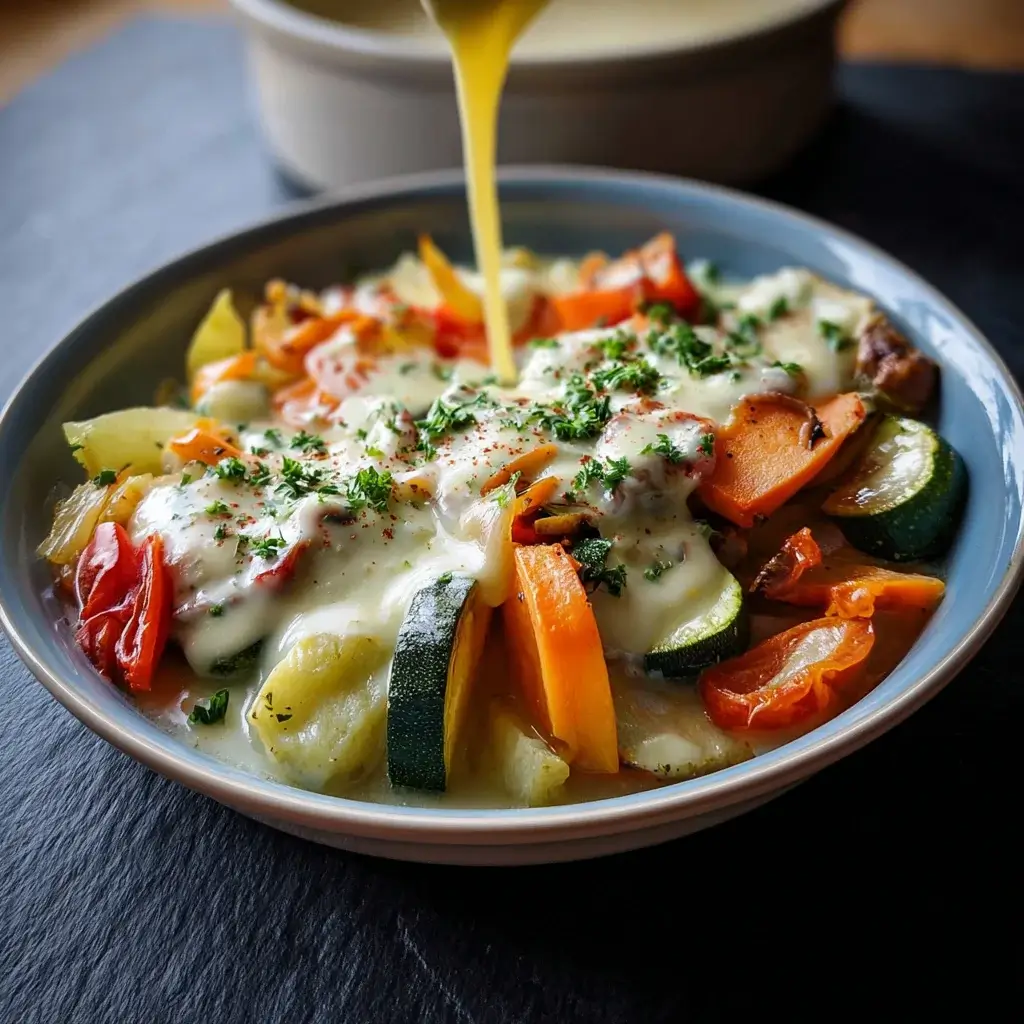
There’s a special place in my heart for a truly great side dish, the kind that threatens to upstage the main course. For years, I searched for a vegetable casserole that wasn’t a mushy, bland affair or swimming in thin, watery sauce. I wanted something elegant enough for a holiday table but comforting enough for a simple Sunday supper. My breakthrough came when I started reminiscing about the nutty, slightly sweet flavor of Swiss cheese from a fondue party. I wondered, what if I created a bake that harnessed that amazing flavor? The result was this Swiss Vegetable Casserole. The first time I served it for Thanksgiving, it was a quiet sensation. Amidst the turkey and stuffing, people kept going back for “just a little more” of the cheesy vegetables. My niece, who famously avoids broccoli, was caught scraping the golden, crispy bits of cheese and breadcrumbs from the side of the dish. It has a beautiful, bubbly, golden-brown crust that gives way to a vibrant medley of tender-crisp vegetables coated in the most luxuriously creamy, savory sauce. It’s the recipe that proved to my family that a vegetable side dish can be the most crave-worthy thing on the plate.
The Ultimate Swiss Vegetable Casserole: A Symphony of Creamy, Cheesy Goodness
This is not your average vegetable bake. It’s a meticulously crafted casserole designed to deliver on every level: flavor, texture, and visual appeal. What elevates it from a simple side to a culinary centerpiece is the thoughtful combination of its core components.
First, the vegetables. We use a classic, crowd-pleasing trio of broccoli, cauliflower, and carrots. This blend provides a wonderful variety of textures and flavors—the slightly bitter, earthy notes of the cruciferous vegetables are balanced by the sweet, vibrant carrots. The real secret to success, however, is the technique of blanching. This quick dip in boiling water followed by an ice bath does two critical things: it seasons the vegetables from the inside out and it par-cooks them perfectly, ensuring they emerge from the oven tender-crisp, not mushy. It also locks in their beautiful, bright colors, making the final dish as visually stunning as it is delicious.
Next, the sauce. This is the heart of the casserole, and we’ve moved far beyond a simple can of condensed soup. Our sauce is a velvety, rich, and savory creation with a base of cream cheese and milk. The cream cheese provides a luxurious body and a subtle tang that cuts through the richness. Minced garlic and finely chopped onion, sautéed until soft, build a foundational layer of aromatic flavor. But the star is, of course, the Swiss cheese. We melt half of it directly into the sauce, infusing every drop with its signature nutty, slightly sweet, and complex flavor profile. A pinch of nutmeg is the secret ingredient, a classic French technique that enhances dairy-based sauces and adds an indescribable warmth and depth.
Finally, the topping is the grand finale that provides the much-needed textural contrast. A simple combination of coarse Panko breadcrumbs and melted butter creates a light, airy, and incredibly crispy crust. This is layered over the remaining Swiss cheese, which melts into a glorious, golden-brown, bubbly blanket. Every spoonful delivers the perfect bite: the crunchy, buttery topping, the gooey melted cheese, the creamy sauce, and the perfectly cooked vegetables. It’s a harmonious blend that makes this casserole utterly irresistible.
Ingredients for the Perfect Creamy Casserole
Using fresh, high-quality ingredients is paramount for achieving the best flavor and texture. Shredding your own cheese is highly recommended for a smoother, creamier sauce.
For the Vegetable Medley:
- Broccoli Florets: 4 cups, cut into bite-sized pieces (from about 1 large head).
- Cauliflower Florets: 4 cups, cut into bite-sized pieces (from about 1 medium head).
- Carrots: 2 medium, peeled and sliced into ¼-inch thick rounds.
- Salt: For the blanching water.
For the Creamy Swiss Sauce:
- Butter: 4 tablespoons, unsalted.
- Yellow Onion: ½ cup, finely chopped.
- Garlic: 2 cloves, minced.
- Cream Cheese: 4 ounces, full-fat, softened and cut into cubes.
- Milk: 1 ½ cups, whole milk recommended for richness.
- Swiss Cheese: 3 cups (about 12 ounces), shredded, divided.
- Salt: ¾ teaspoon, or to taste.
- Black Pepper: ½ teaspoon, freshly ground.
- Nutmeg: ¼ teaspoon, freshly grated if possible.
For the Crispy Topping:
- Panko Breadcrumbs: 1 cup.
- Butter: 2 tablespoons, unsalted, melted.
- Parmesan Cheese: ¼ cup, grated (optional, but recommended).
Step-by-Step Instructions: Creating Your Casserole
Follow these detailed steps to ensure your casserole is perfectly cooked, creamy, and delicious. The blanching step is key, so don’t skip it!
Step 1: Blanch the Vegetables
Bring a large pot of water to a rolling boil and salt it generously (it should taste like the sea). Prepare a large bowl of ice water and set it nearby. Add the sliced carrots to the boiling water and cook for 2 minutes. Then, add the cauliflower florets and cook for another 2 minutes. Finally, add the broccoli florets and cook for 1-2 minutes more. The goal is for the vegetables to be tender-crisp and bright in color; they should not be fully cooked. Immediately use a slotted spoon or spider strainer to transfer all the vegetables from the boiling water into the ice water bath. This stops the cooking process instantly and preserves their vibrant color. Let them sit in the ice water for a few minutes until completely cool, then drain them very, very well in a colander. Pat them dry with a clean kitchen towel or paper towels to remove as much excess moisture as possible.
Step 2: Prepare the Oven and Casserole Dish
Preheat your oven to 375°F (190°C). Lightly butter a 9×13-inch (or equivalent 3-quart) casserole dish.
Step 3: Make the Creamy Swiss Sauce
In a large skillet or saucepan, melt the 4 tablespoons of butter over medium heat. Add the finely chopped onion and sauté for 4-5 minutes until softened and translucent. Add the minced garlic and cook for another minute until fragrant, being careful not to let it burn.
Reduce the heat to low. Add the cubed cream cheese to the skillet, stirring until it has mostly melted into the onions and garlic. Slowly whisk in the milk, a little at a time, until the sauce is smooth and the cream cheese is fully incorporated. Continue to whisk until the sauce is smooth and slightly thickened.
Remove the pan from the heat. Stir in half of the shredded Swiss cheese (1 ½ cups), the salt, pepper, and the pinch of nutmeg. Continue to stir until the cheese is completely melted and the sauce is velvety smooth. Taste and adjust seasoning if necessary.
Step 4: Combine and Assemble
Add the well-drained, blanched vegetables to the saucepan with the sauce (or pour the sauce over the vegetables in a large bowl). Gently fold everything together with a spatula until the vegetables are evenly coated in the creamy sauce. Pour this mixture into your prepared casserole dish and spread it into an even layer.
Step 5: Add the Topping and Bake
In a small bowl, combine the Panko breadcrumbs, the melted 2 tablespoons of butter, and the optional Parmesan cheese. Stir until the breadcrumbs are evenly moistened.
Sprinkle the remaining 1 ½ cups of Swiss cheese evenly over the top of the casserole. Then, sprinkle the prepared Panko mixture evenly over the cheese.
Bake, uncovered, for 25-30 minutes, or until the sauce is hot and bubbly around the edges and the topping is golden brown and crisp. If the topping is browning too quickly, you can loosely tent the dish with aluminum foil for the last 10 minutes of baking.
Step 6: Rest Before Serving
Let the casserole rest on a wire rack for at least 10 minutes before serving. This is an important step that allows the sauce to set up slightly, making it creamier and easier to serve.
Nutritional Information: A Comforting Side Dish
This is a rich and decadent side dish, perfect for special occasions or when you’re craving ultimate comfort food.
- Servings: This recipe makes 10-12 side-dish servings.
- Calories per Serving: Approximately 300-380 calories.
Disclaimer: The nutritional information provided is an estimate and will vary based on the specific ingredients used, such as full-fat vs. low-fat dairy and the exact size of your vegetables.
Preparation Time: Worth Every Minute
While there are a few steps involved, the active preparation is straightforward, and the oven does the rest of the work.
- Active Preparation Time: 25 minutes
- Baking Time: 25-30 minutes
- Resting Time: 10 minutes
- Total Time: Approximately 1 hour and 5 minutes
How to Serve Your Swiss Vegetable Casserole
This versatile casserole pairs beautifully with a wide variety of main courses and is a welcome addition to any celebratory meal.
- The Perfect Holiday Side:
- Serve alongside a Thanksgiving roasted turkey or Christmas glazed ham. Its creamy richness is a wonderful complement to roasted meats.
- It’s an elegant addition to an Easter brunch spread, pairing well with lamb or quiche.
- Elevating a Weeknight Meal:
- It turns a simple roasted chicken into a feast.
- Serve with pork chops or pan-seared steak for a complete and satisfying dinner.
- It can even stand as a vegetarian main course when served with a hearty green salad and some crusty bread.
- The Star of the Potluck:
- This dish travels well and is always a huge hit at potlucks and family gatherings. Its cheesy, golden top makes it stand out on a buffet line.
- Serve it directly from the beautiful casserole dish it was baked in for a rustic, family-style presentation.
Additional Tips for Casserole Success
These five pro tips will help you perfect this recipe and adapt it to your liking.
- Shred Your Own Cheese: This is the single most important tip for a creamy, non-greasy sauce. Pre-shredded cheeses are coated in starches like potato starch or cellulose to prevent clumping. These anti-caking agents can make your sauce gritty or oily when melted. Buying a block of Swiss cheese and shredding it yourself takes only a few extra minutes and guarantees a superior, velvety smooth result.
- Thoroughly Drain Your Vegetables: Water is the enemy of a thick, creamy casserole sauce. After blanching and shocking the vegetables in ice water, make sure they are drained extremely well. Spread them out on a clean kitchen towel or layers of paper towels and pat them dry to absorb any lingering moisture before adding them to the sauce.
- Make-Ahead Instructions: This casserole is perfect for making ahead to save time on a busy day. You can fully assemble the casserole (vegetables, sauce, and cheese topping) a day in advance. Cover it tightly with foil and store it in the refrigerator. Do not add the Panko topping until just before baking. When ready to bake, remove it from the fridge for 30 minutes to take the chill off, then add the topping and bake as directed, adding 10-15 minutes to the total baking time.
- Don’t Over-Blanch: The goal of blanching is to cook the vegetables partially so they become tender-crisp in the oven, not to cook them all the way through. Over-boiling will lead to mushy vegetables in the final casserole. They should still have a definite bite to them when you pull them from the water.
- Customize Your Vegetables: While the broccoli, cauliflower, and carrot combination is classic, feel free to get creative. Green beans, asparagus spears (cut into 2-inch pieces), or Brussels sprouts (halved) are all fantastic substitutes. Just be sure to adjust your blanching times accordingly (e.g., green beans will only need about 2-3 minutes).
Frequently Asked Questions (FAQ) About Swiss Vegetable Casserole
Here are answers to some of the most common questions about making this delicious dish.
1. Can I use a different type of cheese?
Yes, you can. The best substitute for Swiss cheese would be Gruyère, which has a similar nutty and slightly sweet profile and melts beautifully. A sharp white cheddar would also be delicious, though it will give the casserole a tangier, more traditional flavor. For a milder option, provolone or fontina would also work well.
2. My casserole came out watery. What went wrong?
A watery casserole is almost always due to excess moisture from the vegetables. This is why the steps of draining the blanched vegetables thoroughly and patting them dry are so critical. Using full-fat dairy (cream cheese and whole milk) also helps create a thicker, more stable sauce that is less likely to break or become watery.
3. Can I use frozen vegetables instead of fresh?
You can use frozen vegetables in a pinch, but fresh is highly recommended for the best texture. If using frozen, there is no need to blanch them. You must, however, thaw them completely and then press out as much excess water as humanly possible with paper towels before adding them to the sauce. Otherwise, the casserole will be very watery.
4. How can I make this casserole gluten-free?
The sauce and vegetable portion of this recipe are naturally gluten-free. To make the entire dish gluten-free, simply substitute the Panko breadcrumbs with your favorite gluten-free breadcrumbs or an alternative crunchy topping like crushed pork rinds or more Parmesan cheese.
5. How do I store and reheat leftovers?
Leftovers can be stored in an airtight container in the refrigerator for up to 4 days. The best way to reheat the casserole is in the oven. Place it in an oven-safe dish, cover loosely with foil, and bake at 350°F (175°C) for 15-20 minutes, or until heated through. Reheating in the oven will help re-crisp the topping. You can also reheat individual portions in the microwave.

Swiss Vegetable Casserole with Creamy Sauce recipe
Ingredients
For the Vegetable Medley:
-
Broccoli Florets: 4 cups, cut into bite-sized pieces (from about 1 large head).
-
Cauliflower Florets: 4 cups, cut into bite-sized pieces (from about 1 medium head).
-
Carrots: 2 medium, peeled and sliced into ¼-inch thick rounds.
-
Salt: For the blanching water.
For the Creamy Swiss Sauce:
-
Butter: 4 tablespoons, unsalted.
-
Yellow Onion: ½ cup, finely chopped.
-
Garlic: 2 cloves, minced.
-
Cream Cheese: 4 ounces, full-fat, softened and cut into cubes.
-
Milk: 1 ½ cups, whole milk recommended for richness.
-
Swiss Cheese: 3 cups (about 12 ounces), shredded, divided.
-
Salt: ¾ teaspoon, or to taste.
-
Black Pepper: ½ teaspoon, freshly ground.
-
Nutmeg: ¼ teaspoon, freshly grated if possible.
For the Crispy Topping:
-
Panko Breadcrumbs: 1 cup.
-
Butter: 2 tablespoons, unsalted, melted.
-
Parmesan Cheese: ¼ cup, grated (optional, but recommended).
Instructions
Step 1: Blanch the Vegetables
Bring a large pot of water to a rolling boil and salt it generously (it should taste like the sea). Prepare a large bowl of ice water and set it nearby. Add the sliced carrots to the boiling water and cook for 2 minutes. Then, add the cauliflower florets and cook for another 2 minutes. Finally, add the broccoli florets and cook for 1-2 minutes more. The goal is for the vegetables to be tender-crisp and bright in color; they should not be fully cooked. Immediately use a slotted spoon or spider strainer to transfer all the vegetables from the boiling water into the ice water bath. This stops the cooking process instantly and preserves their vibrant color. Let them sit in the ice water for a few minutes until completely cool, then drain them very, very well in a colander. Pat them dry with a clean kitchen towel or paper towels to remove as much excess moisture as possible.
Step 2: Prepare the Oven and Casserole Dish
Preheat your oven to 375°F (190°C). Lightly butter a 9×13-inch (or equivalent 3-quart) casserole dish.
Step 3: Make the Creamy Swiss Sauce
In a large skillet or saucepan, melt the 4 tablespoons of butter over medium heat. Add the finely chopped onion and sauté for 4-5 minutes until softened and translucent. Add the minced garlic and cook for another minute until fragrant, being careful not to let it burn.
Reduce the heat to low. Add the cubed cream cheese to the skillet, stirring until it has mostly melted into the onions and garlic. Slowly whisk in the milk, a little at a time, until the sauce is smooth and the cream cheese is fully incorporated. Continue to whisk until the sauce is smooth and slightly thickened.
Remove the pan from the heat. Stir in half of the shredded Swiss cheese (1 ½ cups), the salt, pepper, and the pinch of nutmeg. Continue to stir until the cheese is completely melted and the sauce is velvety smooth. Taste and adjust seasoning if necessary.
Step 4: Combine and Assemble
Add the well-drained, blanched vegetables to the saucepan with the sauce (or pour the sauce over the vegetables in a large bowl). Gently fold everything together with a spatula until the vegetables are evenly coated in the creamy sauce. Pour this mixture into your prepared casserole dish and spread it into an even layer.
Step 5: Add the Topping and Bake
In a small bowl, combine the Panko breadcrumbs, the melted 2 tablespoons of butter, and the optional Parmesan cheese. Stir until the breadcrumbs are evenly moistened.
Sprinkle the remaining 1 ½ cups of Swiss cheese evenly over the top of the casserole. Then, sprinkle the prepared Panko mixture evenly over the cheese.
Bake, uncovered, for 25-30 minutes, or until the sauce is hot and bubbly around the edges and the topping is golden brown and crisp. If the topping is browning too quickly, you can loosely tent the dish with aluminum foil for the last 10 minutes of baking.
Step 6: Rest Before Serving
Let the casserole rest on a wire rack for at least 10 minutes before serving. This is an important step that allows the sauce to set up slightly, making it creamier and easier to serve.
Nutrition
- Serving Size: one normal portion
- Calories: 300-380